Lyndaria: Lust Adventure
Version: 0.4
743.95MB
4.1

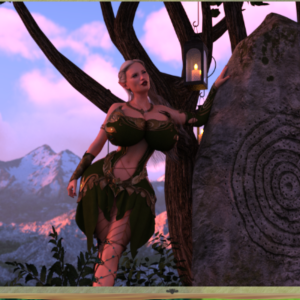
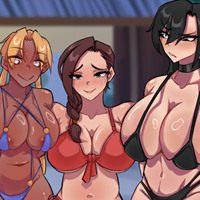
Lyndaria: Lust Adventure is a mobile role-playing experience that blends narrative choices, character progression, and tactical encounters. Designed for mature players, it emphasizes story-driven exploration, relationship mechanics, and strategic combat across diverse environments. This summary highlights what to expect from gameplay, systems, and early progression tips.
The world of Lyndaria: Lust Adventure is presented as a series of connected regions, each with its own storyline and cast of characters. Rather than relying solely on combat, the title leans into branching dialogue, reputation systems, and scene-driven events that respond to player decisions. Players explore hubs, unlock side quests, and develop alliances that affect future encounters.
Gameplay alternates between exploration, dialogue-driven scenes, and turn-based or real-time skirmishes depending on context. Progression is tied to both experience points and relationship meters: leveling improves stats and unlocks abilities, while social ties open exclusive missions and unique rewards. The pacing encourages players to balance combat efficiency with investment in story content.
Character builds are flexible, allowing specialization in offense, defense, or support roles. Equipment and consumables modify playstyles and can be acquired through missions, crafting, or vendor interactions. The game also uses a stamina or energy system to manage how much free play is available each session.
Relationship dynamics are central to progression. Conversations use a choice wheel that can improve or diminish affinity scores. High affinity unlocks shared abilities or passive bonuses that alter combat synergy and exploration options.
Combat encounters reward tactical positioning and effective use of skills. Some battles require status management, environmental awareness, or timed actions to gain an advantage. Difficulty scales with region and quest type, with optional content offering steeper challenges and better loot.
Players can customize appearance, gear, and ability loadouts. Classes or archetypes provide baseline skills while talent trees allow further specialization. Crafting systems let players combine materials to create upgraded items, encouraging exploration and repeatable tasks to farm components.
The UI focuses on clarity: action buttons, dialogue prompts, and resource counters are positioned for quick access. Visuals aim for a polished, stylized look that balances character detail with performance on mid-range devices. Settings include graphics presets and control adjustments to optimize battery and responsiveness.
Menus are organized to make progression goals visible at a glance. Tutorials introduce systems gradually and in-context, so new players can learn by doing. For accessibility, options may include text size adjustments and simplified control schemes to suit different play preferences.
While primarily single-player, Lyndaria: Lust Adventure may include asynchronous social features such as leaderboards, shared events, or limited cooperative missions. These systems provide ways to compare progress and participate in community challenges without forcing real-time interaction.
Overall, Lyndaria: Lust Adventure is designed for players who appreciate narrative depth alongside tactical systems. It rewards thoughtful decision making and offers multiple routes to progress, whether you favor story, combat, or character development. Newcomers should take time to explore hubs, try different strategies, and engage with character content to unlock the full scope of gameplay.