PUBG Mobile: Marching
Version: 1.0.17.1.0
1668.77MB
4.1
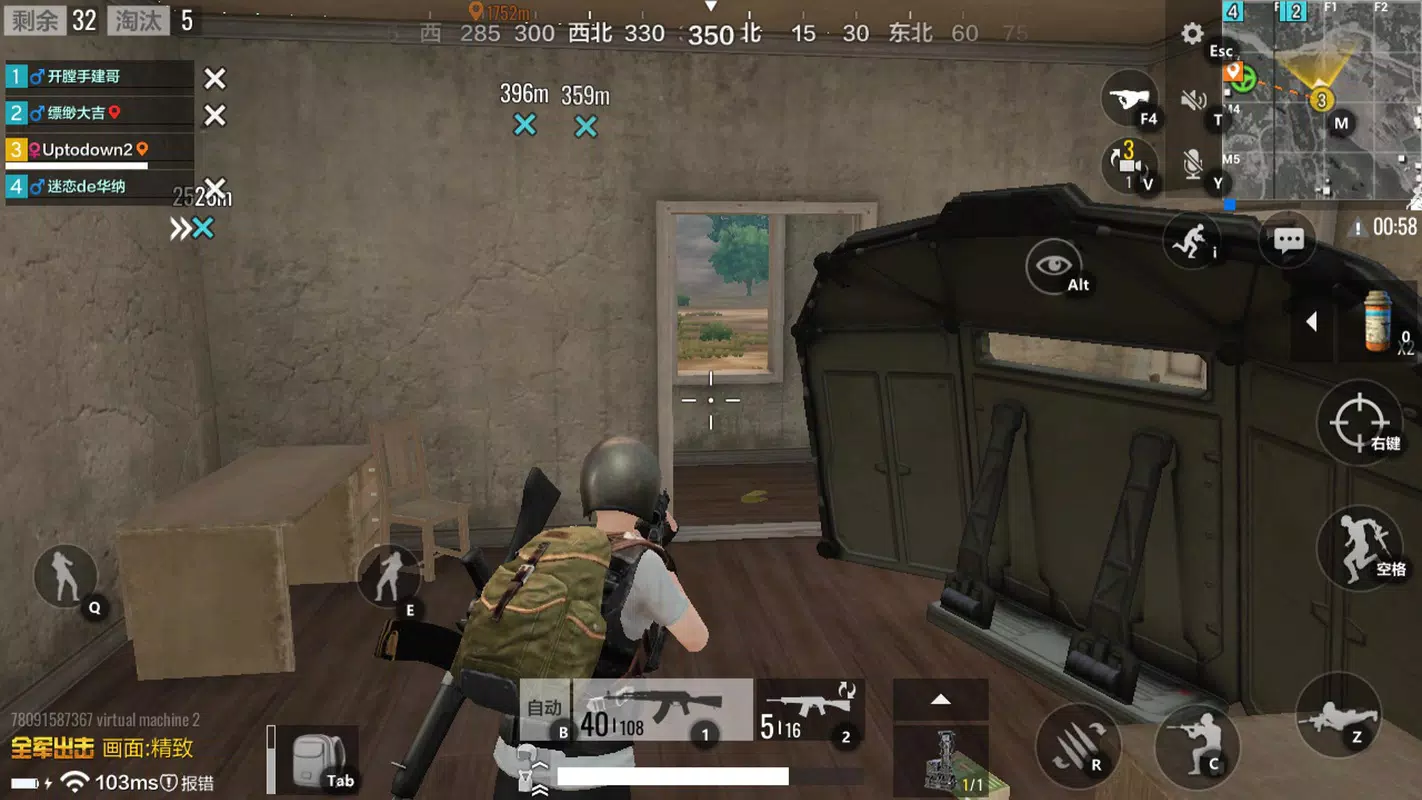
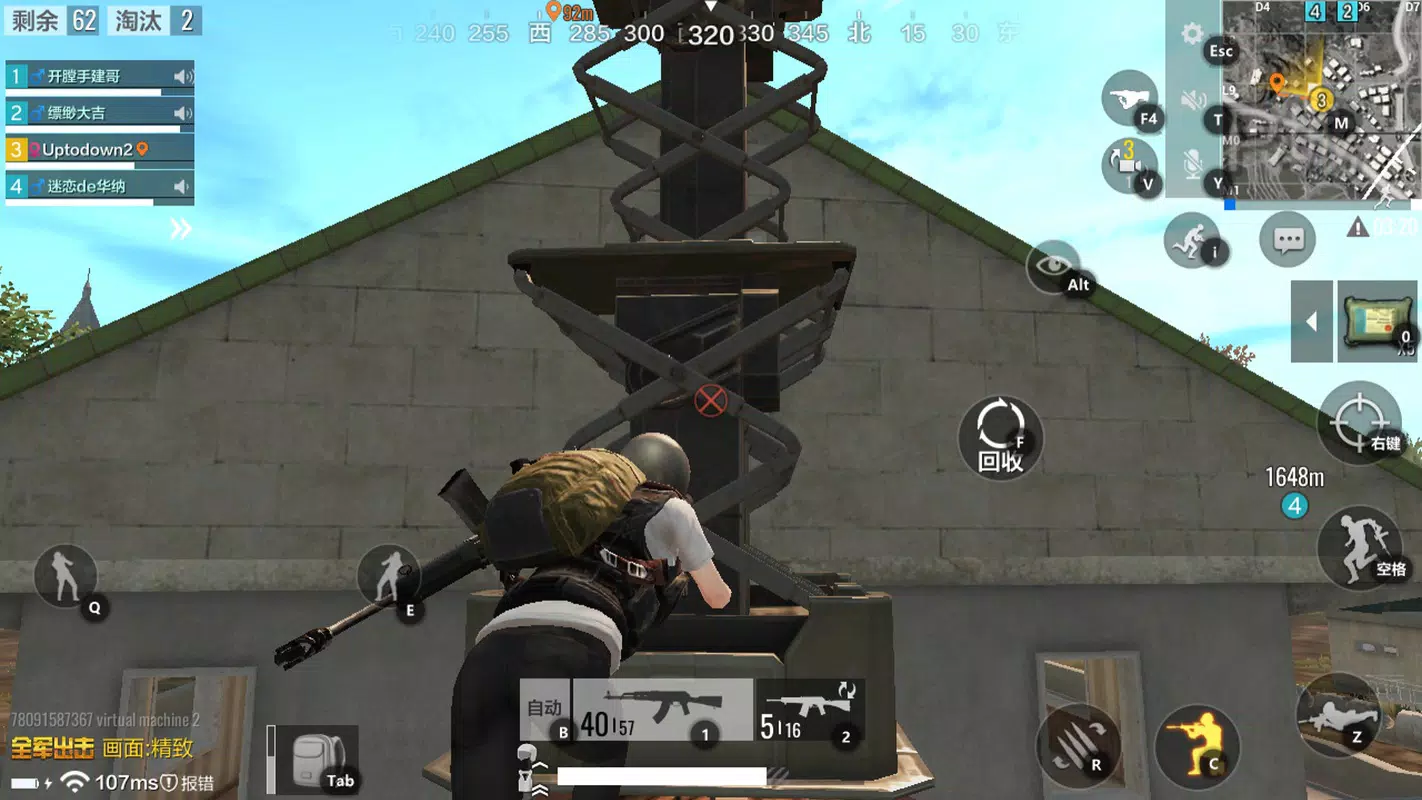
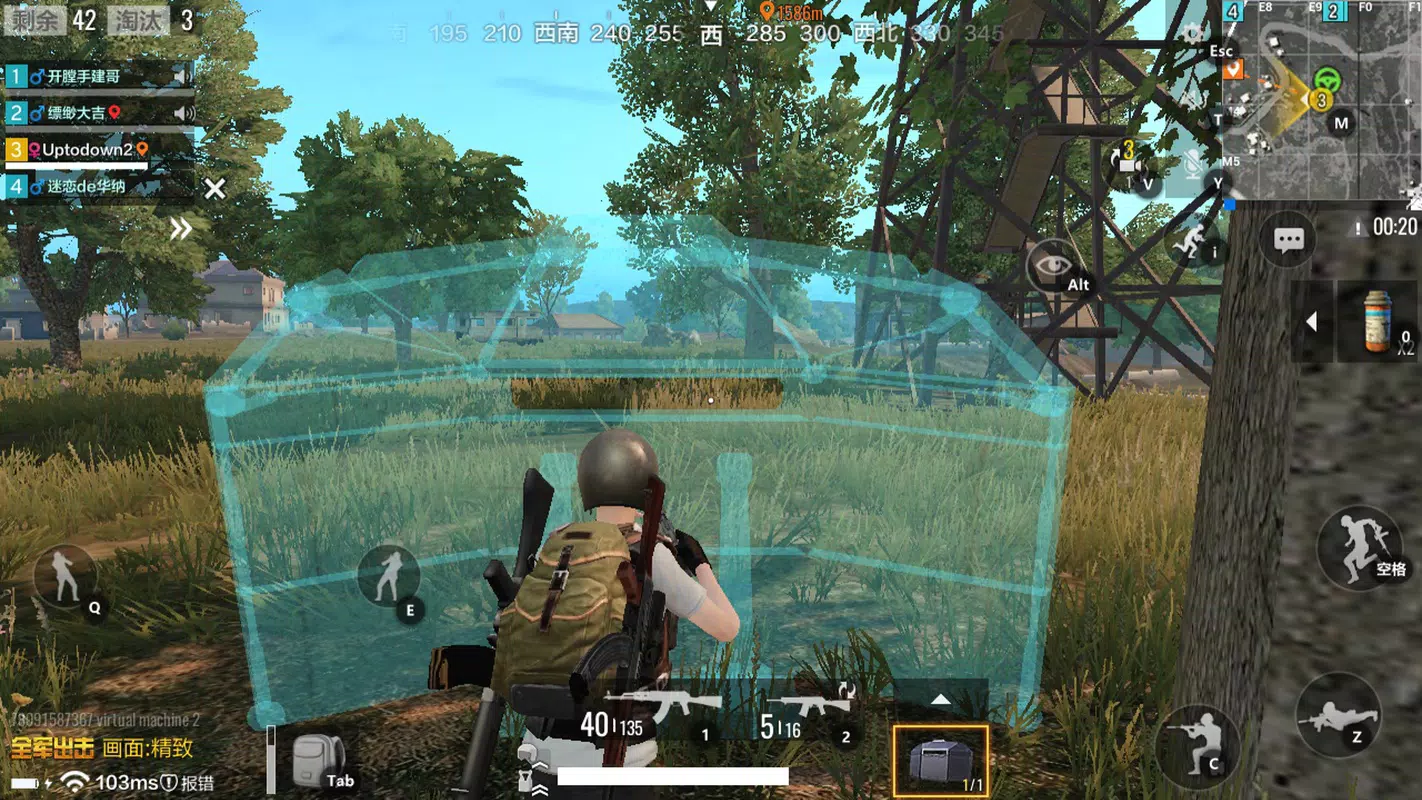
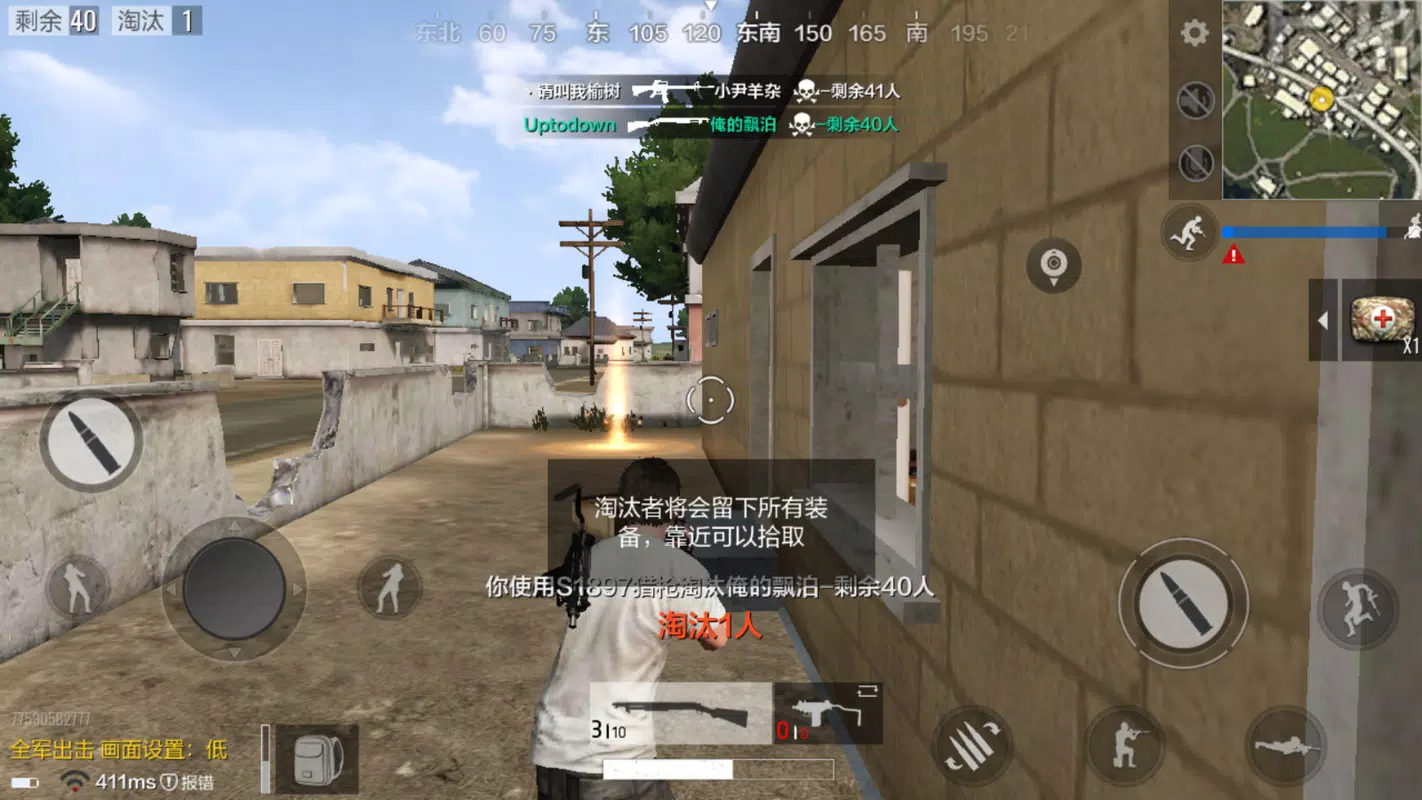
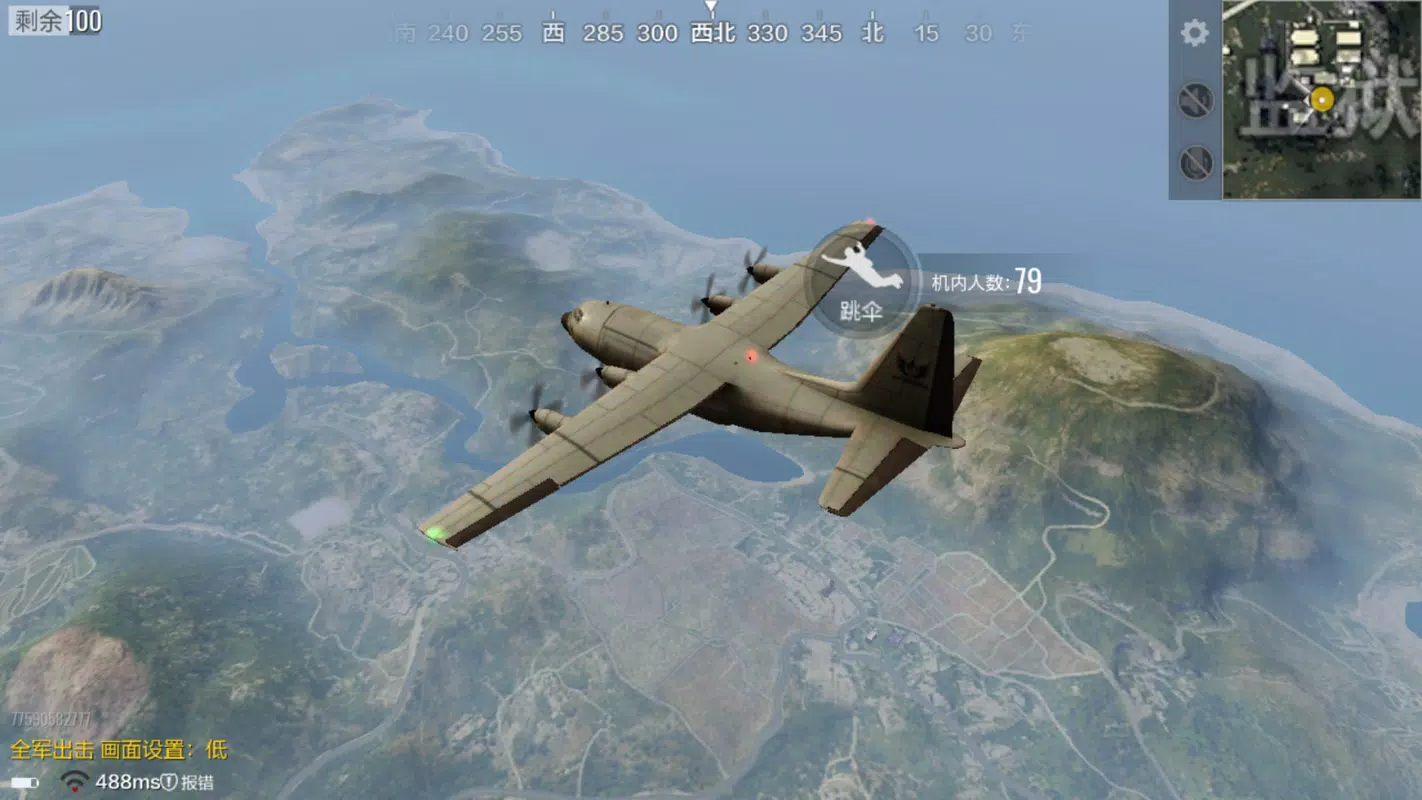
PUBG Mobile: Marching reinterprets the battle royale template for mobile players who value tactical teamwork and rapid match pacing. In this edition, PUBG Mobile: Marching pairs traditional drop-and-loot survival with squad-oriented objectives, seasonal progression, and a suite of configurable controls so matches feel responsive on a range of devices. The opening experience focuses on learning map layouts and simple role coordination before layering in ranked play and rotating events designed to keep the meta evolving.
The heart of PUBG Mobile: Marching is a short, intense match loop where strategic choices at the start influence the remainder of the round. Players choose a drop point, prioritize early looting, and manage positioning as the playable area contracts. Squad mechanics reward coordinated movement and temporary objectives; dynamic event zones alter usual safe paths and introduce forced engagements that change match rhythm. Combat balances long-range engagements with close-quarters exchanges, while vehicles and environmental hazards provide alternate tactical options rather than dominating every scenario.
Progression in PUBG Mobile: Marching combines immediate rewards from individual matches with longer-term seasonal systems. Players gain experience to unlock attachments and cosmetic items, and seasonal passes introduce limited-time rewards and themed content. A ranked ladder tracks competitive performance across seasons, rewarding consistent play and successful teamwork with tiered rewards. Daily and weekly challenges give smaller objectives to pursue, creating short-term goals that encourage trying new roles or loadouts.
Map variety is a key design pillar: wide-open fields demand different planning than dense urban maps or compact arenas intended for fast skirmishes. Each level emphasizes distinct tactical opportunities such as elevated observation points, tight chokepoints, or destructible cover that shifts sightlines during a match. Modes rotate between classic battle royale, focused squad skirmishes, and event-driven scenarios that highlight novel rulesets, encouraging players to adapt rather than rely on a single dominant strategy.
Effective teamwork in PUBG Mobile: Marching revolves around role specialization and communication. Teams that assign roles like scout, medic, or heavy support tend to outperform uncoordinated groups. In-match tools such as quick pings and context-aware commands reduce friction for teams without voice chat, while tactical maneuvers—coordinated flanks, synchronized equipment use, and controlled retreats—are rewarded more often than lone aggression. The game also emphasizes situational awareness, encouraging players to use audio cues and map information to predict enemy movement.
Customization in PUBG Mobile: Marching offers both functional and cosmetic depth. Weapon attachments modify handling characteristics across recoil, accuracy, and range, letting players tailor guns to preferred engagement distances. Cosmetic options—character outfits, weapon skins, and emotes—allow personal expression without affecting balance. Loadout presets and a modular upgrade path streamline preparation between matches so players can adjust quickly to map-specific demands and seasonal meta shifts.
Controls are tuned for touchscreen play with options for external controller support and extensive sensitivity adjustments. PUBG Mobile: Marching provides customizable HUD layouts, aim-assist tuning, and control remapping to accommodate different playstyles and accessibility needs. Performance settings let users prioritize frame rate or graphical fidelity depending on their hardware, and regular updates focus on improved netcode and responsiveness to reduce perceived input lag. Accessibility features, such as contrast adjustments and subtitle options for in-game notifications, help broaden usability.
The visual style balances realism with clarity so that important information remains readable during high-pressure moments. Lighting, particle effects, and environmental detail are scaled to maintain performance across devices while contributing to immersive encounters. Audio design plays a functional role: directional footsteps, distant gunfire, and vehicle cues provide actionable intelligence that skilled players use when planning movement and engagements, and adjustable audio channels let players emphasize cues they find most useful.
Replayability in PUBG Mobile: Marching comes from its seasonal cycles, rotating modes, and layered challenge systems. Regular events and balance updates introduce new tactical wrinkles that push players to adapt loadouts and team strategies. Clan systems, leaderboards, and in-game tournaments support both casual and competitive activity, while reporting tools and anti-cheat measures aim to maintain fair play. Training areas and tutorial missions allow newcomers to practice mechanics and learn advanced techniques in a lower-pressure setting.
The user experience emphasizes quick matchmaking, clear progression paths, and transparent reward structures so players understand how time invested translates to advancement. UI elements are designed to reduce clutter and guide new players through essential systems, while patch notes and community channels keep the player base informed about balance changes and upcoming seasonal content. PUBG Mobile: Marching is positioned as a mobile-first shooter that rewards strategic thinking, teamwork, and continuous learning over isolated mechanical skill.