The Journalist
Version: 1.0
742.00MB
4.5





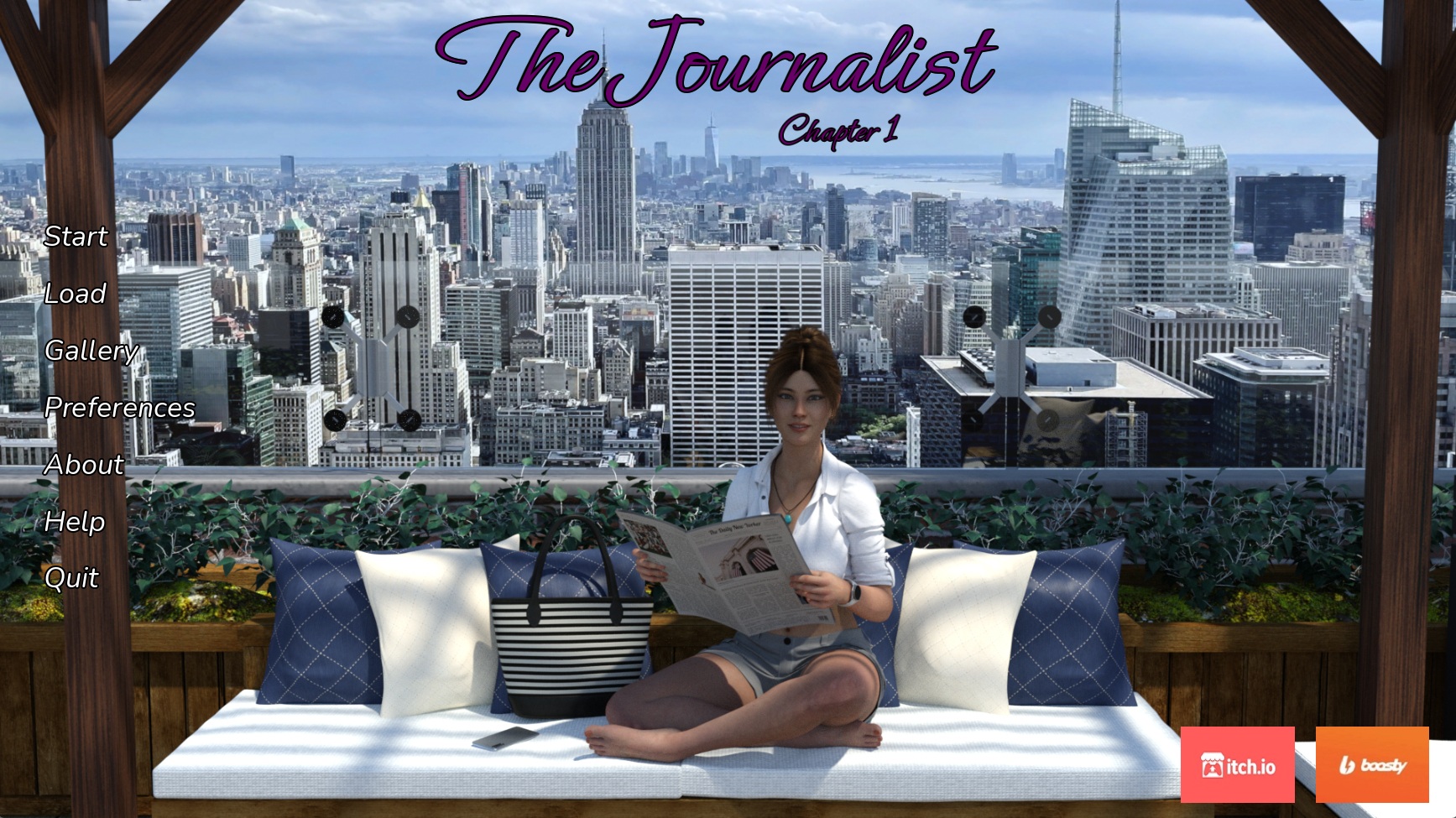
The Journalist is a narrative-driven investigative game that follows Michelle Williams, a young reporter who leaves Newport for New York to pursue her career; in this tightly written mystery players are drawn into Michelle's first major assignment, an interview with high-profile lawyer Victoria Reed that spirals into a murder accusation and an independent inquiry that tests journalistic integrity, personal ties and professional choices.
The core gameplay in The Journalist emphasizes careful observation, evidence gathering and conversation choices rather than action reflexes. Players spend much of the time navigating scenes, tapping to examine objects, compiling notes and linking pieces of information on a visual investigation board. Interview sequences play like structured dialogues: follow-up questions open when new leads are recorded, and choosing how to approach witnesses — empathetic, direct or skeptical — influences both the immediate answers you receive and the tone of future interactions. Puzzle moments are light and investigative in nature: reconstructing timelines, matching alibis to facts, and selecting which documents to publish or withhold. These mechanics are designed to keep the focus on story-driven problem solving and the slow-burn reveal of the case.
Controls are optimized for mobile touchscreens with simple tap-and-drag gestures and clear on-screen prompts. Tapping highlights interactive objects, swiping moves between locations and long-press reveals detailed examinations of evidence. Dialog choices are presented as readable cards, and an easy-to-access journal stores interview transcripts, photos and collected documents. The interface prioritizes readability and minimizes friction so players can concentrate on the narrative and character reactions rather than complex inputs. The Journalist also features paced scene transitions and save checkpoints so players can stop and resume without losing context.
The story is delivered across chapter-based segments that move from newsroom setup to city investigation and back into courtroom-relevant revelations. Progression hinges on gathering sufficient leads to unlock major scenes: certain lines of inquiry open new locations, while others deepen relationships with key characters. Players advance by completing investigative milestones rather than grinding mechanics — locating a crucial recording, corroborating testimony, or following a lead to a new informant can each trigger the next chapter. The structure encourages methodical play: how thoroughly you pursue side conversations and optional clues affects both immediate opportunities and later narrative options.
Replay value in The Journalist comes from branching choices and the way different approaches reshape scenes and endings. Small decisions — whether to publish a sensitive piece, protect a source, or press a witness — can alter relationships and reveal alternate outcomes when the story is replayed. Challenge systems are built around optional investigative objectives such as uncovering every hidden document or validating conflicting accounts; these objectives can be disabled for a more relaxed read-through or enabled to add difficulty and depth. Multiple endings are tied to the protagonist’s choices and the robustness of the evidence compiled, encouraging second and third playthroughs to explore different narrative possibilities.
The Journalist favors a mood-driven visual presentation with character portraits, atmospheric backgrounds and cinematic scene framing rather than fast action effects. Lighting, color palette and soundtrack cues are used to emphasize tension during interviews and quieter moments when Michelle reflects on career and relationships. Scenes alternate between intimate indoor interviews, cluttered newsroom spaces and rain-slick city streets, creating a believable big-city setting as Michelle adapts to New York life. Visual clarity is prioritized so important items and conversational cues stand out without interrupting immersion.
While the game is story-forward, The Journalist offers settings to tailor the experience: adjustable text size, subtitle toggles, and a simplified mode that reduces optional objectives for players who prefer a direct narrative. The control hints and journal indexing support players with differing reading speeds and attention needs. Save-anywhere and autosave features ensure sessions can be paused, and the UI offers color-contrast options to aid visibility. These accessibility features make the game approachable for a wide range of players who want to focus on story and character development.
The game is primarily designed for single-player offline play with all story content available after installation, so users can play without a persistent internet connection. Occasional updates may add language support or bug fixes, but the core experience of investigating the case and exploring relationships remains playable offline. This makes The Journalist convenient for commuters and players who prefer uninterrupted reading and decision-making sessions.
The Journalist will appeal to players who prefer narrative depth, character drama and investigative pacing over fast-paced action. Readers who enjoy branching dialogues, moral ambiguity and slow-burn mysteries will find the game rewarding, particularly those who appreciate careful clue collection and the emotional consequences of reporting decisions. Players seeking heavy mechanics or competitive systems may find the pace deliberate, but those invested in storytelling and investigative craft will benefit from the game's thoughtfully paced structure and replayable choices.