Escape from Misantria: South
Version: 0.11.3
1152.50MB
4.5
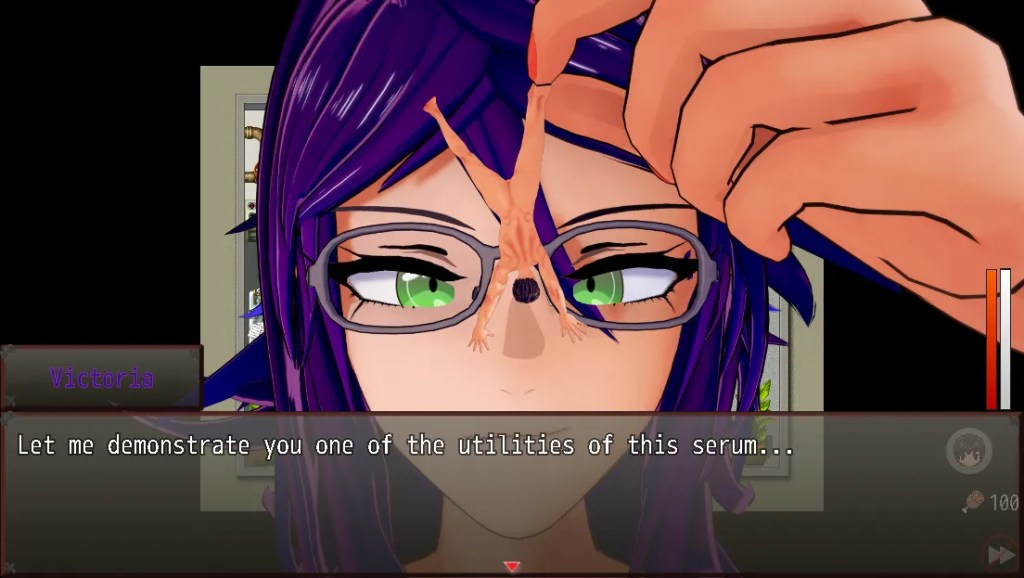
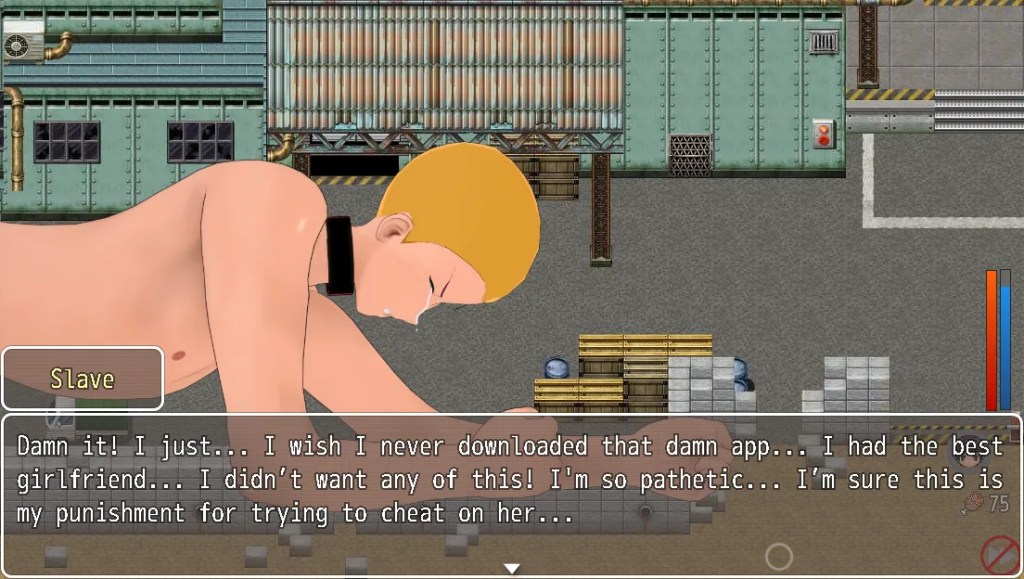
Escape from Misantria: South places you in a dense, oppressive district where narrative choice, tactical planning, and adjustable mature themes shape a single-player experience focused on consequence and character. In Escape from Misantria: South you play a customizable protagonist navigating shadowed streets and fortified compounds, balancing stealth, social negotiation, and turn-based encounters; decisions in dialogue and mission planning change relationships, open or close opportunities, and influence how future scenarios unfold. The following description outlines gameplay, controls, progression, visual design, accessibility, and how content filters and difficulty settings let you tailor the experience to your comfort level.
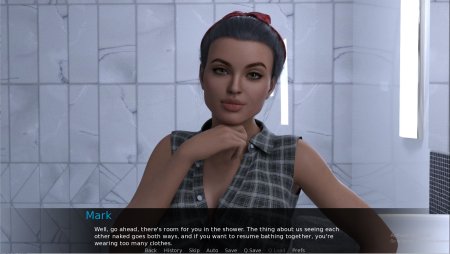
The game combines visual novel-style branching storytelling with compact tactical RPG mechanics to deliver layered, character-driven play. Four central heroines carry multi-stage arcs that respond to player choices, while over 1,500 high-quality static renders punctuate cinematic moments between animated 3D scenes. Voice-integrated lines and a layered audio mix increase immersion without mandating an active connection; once installed, most of the core experience runs offline. Replay value is emphasized through branching outcomes, emotional state systems, and optional mission objectives that reveal new narrative threads on repeat playthroughs.
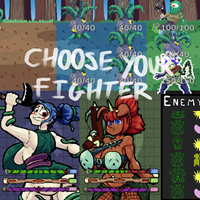
Gameplay alternates between exploration, infiltration-style missions, and turn-based tactical encounters on a compact grid. Exploration focuses on environmental puzzles, evidence gathering, and stealth planning: study patrol patterns, exploit sight-lines, bypass systems, and use the environment to create diversions. Tactical segments require positioning and coordinated ability use, where team composition and emotional-linked powers influence strategic options. An adaptive power system ties some abilities to characters' emotional profiles so that conversational choices made during story beats have measurable effects in combat and mission resolution, encouraging thoughtful roleplay and experimentation.
Controls are optimized for touch devices with context-sensitive taps for interaction, a radial menu for quick ability selection, and an intuitive drag-to-aim gesture for positioning and targeting in tactical phases. Dialogue wheels and choice selectors are navigable with swipes or single taps, and mission briefings present clear objectives, risk indicators, and optional rewards to help you plan approaches. The interface provides options to remap gestures, adjust button sizes, and toggle visual contrast, offering comfortable play on phones and tablets with different hand sizes and display resolutions.
Progression centers on skill trees, equipment crafting, and an evolving emotional profile influenced by story decisions. Characters gain experience through missions and narrative milestones, unlocking passive bonuses and active abilities that suit stealth-focused, combat-heavy, or diplomatic playstyles. Crafting uses materials collected during exploration to upgrade gear or assemble situational tools, while the emotional profile system gates certain dialogue choices and alters how powers behave. This design encourages multiple runs to explore alternative builds and relationship paths, and allows players to fine-tune difficulty and content exposure via configurable settings.
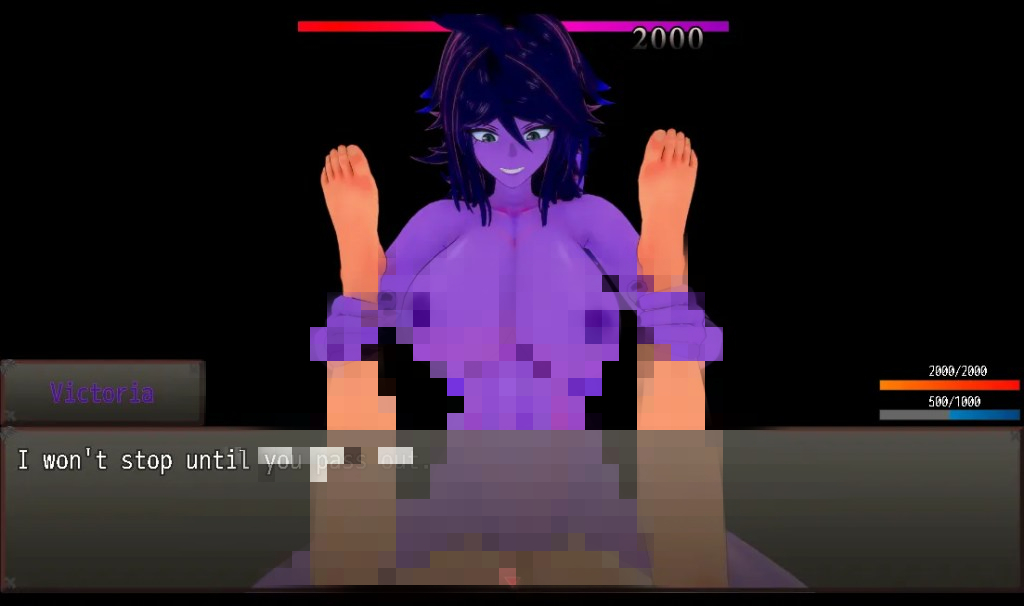
The presentation blends fully animated 3D character models with polished rendered illustrations to highlight key narrative moments. Art direction favors moody lighting, dense urban backdrops, and textured environments that reinforce the game's oppressive atmosphere without relying on explicit imagery. Audio progression ranges from subtle environmental cues during exploration to adaptive tracks in combat, and selective voice lines underscore character beats; subtitles, adjustable text speed, and audio volume controls let you customize how much narrative detail you receive at any moment.
Levels are modular missions placed within a larger city map, each written to support multiple approaches and optional side objectives. Side missions and character-specific sequences reveal background on the district and the heroines, while branching main missions create divergent storylines and unlockables. Because choices can alter emotional states, mission availability, and character standing, replaying missions with different goals or emotional alignments uncovers new tactical options and narrative outcomes, making subsequent playthroughs feel fresh and consequential.
Difficulty settings range from relaxed modes intended for story-oriented play to harder configurations that increase enemy perception, resource scarcity, and the permanence of consequences. The game includes accessible options such as subtitle customization, adjustable text size, colorblind-friendly palettes, and toggles to simplify tactical mechanics for less demanding sessions. Mature themes are handled with content warnings and configurable filters so players may limit or disable explicit scenes according to personal preference, supporting a broader audience while preserving narrative integrity.
Escape from Misantria: South is designed to function offline after installation for the core single-player content, with voice and visuals packaged to minimize dependence on streaming. Recent updates completed a major story arc, smoothed pacing for the prologue to help new players acclimate, refreshed several visual assets, and addressed performance issues related to multiple save files. Developers continue to refine mission balance and clarity of progression goals based on player feedback, with quality-of-life improvements and stability patches scheduled in future releases.