
My Cute Anime Girlfriend
Version: 1.0.1
21.53MB
4.2

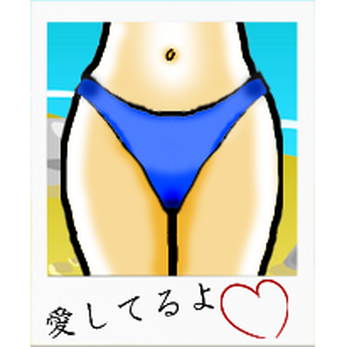
My Cute Anime Girlfriend is a casual, character-driven tap game that puts a single, stylized companion at the heart of short, satisfying play sessions. My Cute Anime Girlfriend opens with an approachable core loop: repeated taps fill an interaction bar to score points, trigger varied character reactions, and pursue higher places on built-in leaderboards. The design favors emotion and quick engagement over complex menus, making the title a good match for short breaks and focused, repeatable play.
The game centers on a clear tap-to-fill mechanic: repeated single-finger taps build a progress meter and cross thresholds that unlock different reaction moments and point multipliers. Rounds are intentionally brief so players can jump in and out without a heavy time commitment. Built-in leaderboards provide a way to compare scores locally on each device and set personal targets. Visual feedback, short animations, and measured rewards emphasize the character's response to the player's timing rather than deep progression gates.
Gameplay emphasizes timing and rhythm within a minimal control scheme. Each round begins with an empty interaction bar and a single required input—tap to add to the meter. Different fill levels map to distinct reaction scenes and score outcomes, encouraging experimentation with pacing and cadence. The mechanics are easy to learn but offer room for refinement: players can practice to hit tighter target zones, pursue higher multipliers, and discover the range of expressive responses the character delivers.
Controls are optimized for touch: single-finger tapping, short press feedback, and responsive input let the interface feel immediate. The UI is intentionally uncluttered so the interaction bar and the character remain the focal points. Clear meter zones and short animation cues indicate successful fills or missed opportunities, and small on-screen prompts help new players understand the timing windows. Options are available to adjust touch sensitivity and toggle sound or vibration for a tailored experience on different devices.
The game uses anime-inspired character art and expressive, short animations to convey mood and reward. A single companion appears consistently across rounds with changes in facial expression, posture, and brief animated reactions tied to interaction bar thresholds. Backgrounds and interface elements are kept simple and clean to highlight the character and gameplay without distracting the player. The overall presentation aims for a polished, approachable look that complements the game’s short-session design.
Progression in My Cute Anime Girlfriend is score-oriented rather than level-based: players chase higher point totals, improve personal bests, and unlock new reaction outcomes by hitting specific meter thresholds. Levels are represented as score rounds with escalating internal targets and tighter timing windows rather than separate stages. Replay value comes from refining timing, testing different fill strategies, and aiming for better rankings on the device leaderboards. The structure encourages short, frequent play sessions focused on measurable improvement.
Challenge is scaled through internal score goals and the precision required for certain reaction zones. As players seek higher multipliers and rarer reactions, the timing windows naturally demand steadier rhythm and consistency. There are no additional complex rule sets—difficulty emerges from how precisely a player can control pacing and tap cadence. For those looking to push further, the game rewards refinement and repeat attempts rather than new mechanics.
The game is built with accessibility in mind: simple, consistent controls, visible visual cues, and short sessions reduce barriers for new players and those who prefer low-commitment play. My Cute Anime Girlfriend runs smoothly on a wide range of devices and is suitable for on-the-go use. Because the experience is primarily single-player and self-contained, most activities can be completed offline; players can practice rounds and improve scores without a persistent network connection. Performance options in settings help preserve battery and responsiveness on older devices.
To get the most from sessions, focus on steady rhythm over frantic tapping—consistent fills typically yield better reaction outcomes and higher scores. Use short practice rounds to learn how different fill levels affect the character's responses and to identify personal timing zones. Check your personal bests frequently and set modest targets to maintain steady progress. With a focus on simple controls, visual clarity, and short sessions, the game offers a pleasant, low-friction way to refine a rhythm-based skill while enjoying the expressive companion at the center of the experience.