Secret Lina
Version: 1.0
77.44MB
4.4
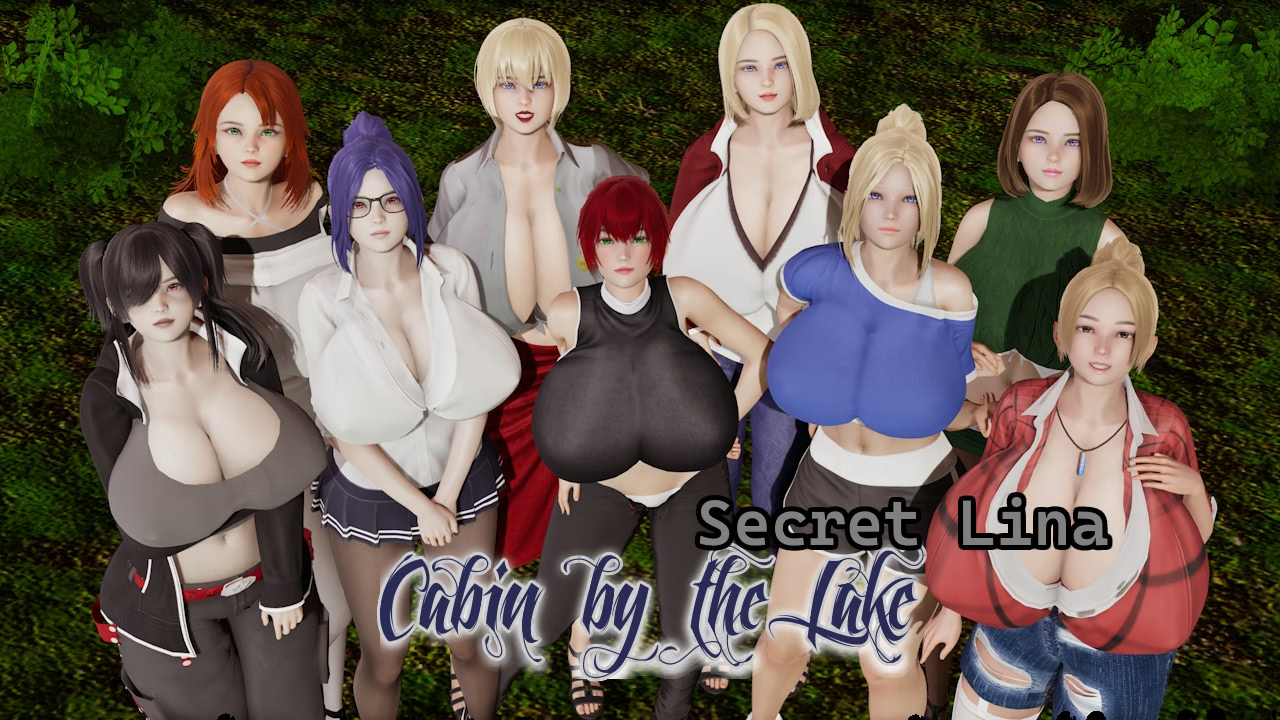
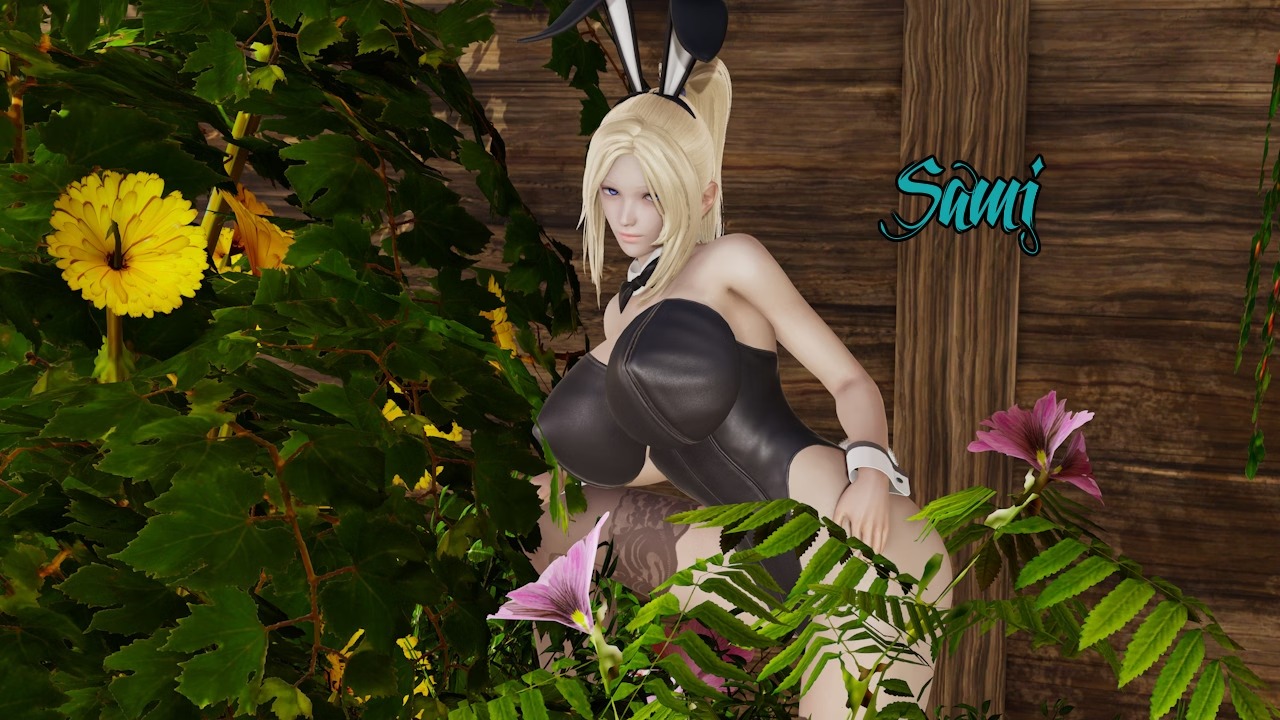
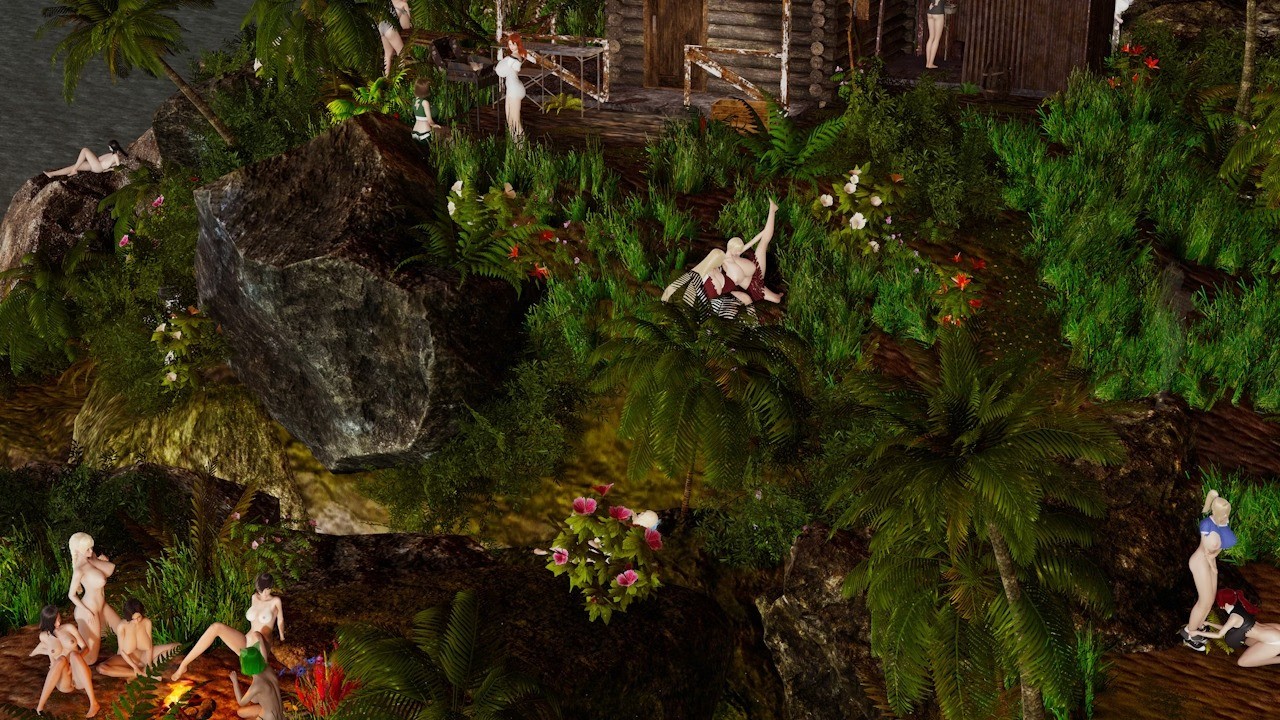
Secret Lina is a visual novel-style puzzle adventure that places you in the role of an ordinary protagonist searching for the elusive Lina across richly illustrated, ever-changing locations. The game blends hand-drawn backdrops with subtle motion and soft audio cues so exploration feels calm and immediate rather than frantic. Scenes are designed as short, focused vignettes that support a relaxed pace: each one hides observational puzzles and environmental clues meant to reward patient looking, and a built-in hint system keeps frustration low so players can enjoy the atmosphere while still facing satisfying micro-challenges.
The title includes a range of gameplay elements that complement its art-forward design. Dynamic scenes shift between dark woods, foggy lakesides, busy markets, and rooftop vistas with small animated details that change between playthroughs. Lina herself interacts with the environment by peeking from behind objects, leaving playful hints, and triggering in-world animations that act as soft guidance rather than explicit directions. A time trial mode is available for players who prefer an extra layer of challenge; successful runs unlock additional concept art and behind-the-scenes trivia. The game is presented as a spin-off tied to Cabin by the Lake and contains several narrative callbacks for players familiar with that original story.
Controls are optimized for mobile touchscreens: tap to inspect points of interest, swipe to pan across larger scenes, and double-tap or pinch to zoom where greater detail is needed. The puzzles emphasize observation over complex sequencing, so progression relies on careful scanning, noticing subtle changes, and interpreting small environmental cues. If you get stuck, the hint system offers graduated nudges that start with ambient cues — a flickering lantern, a stray sound — and escalate to clearer pointers if necessary. Time trial runs are optional and include a visible timer and personal best tracking so you can measure improvement while still enjoying the narrative elements.
The game’s visual approach centers on handcrafted illustrations with light, deliberate animation that preserves a painterly aesthetic. Color palettes and lighting are used to guide attention without breaking immersion: warmer tones highlight points of interest while cooler, desaturated areas suggest background detail. Ambient soundscapes and subtle effects complement the visuals and provide nonverbal hints; an adaptive soundtrack swells or recedes to emphasize pacing during exploration and timed runs. These artistic decisions are intended to create a contemplative mood appropriate for short, repeatable sessions.
Secret Lina launches with three distinct scenes that serve as compact chapters in the spin-off narrative. Each scene is self-contained, designed to be completed in a single sitting, and can be replayed to discover alternate placements of clues and small variations in animation. Progression is straightforward: complete a scene to unlock its time trial variant and to view any unlocked rewards like concept sketches or trivia entries. The structure encourages replay for completionists while keeping initial entry barriers low for casual players who prefer short play sessions.
Replayability comes from scene variability and optional time trial goals that reward faster or more thoughtful play. Accessibility options include adjustable hint frequency, text speed, and simple contrast settings to accommodate different visual preferences. The interface focuses on clear touch targets and minimal menus so controls remain intuitive. Secret Lina does not require a constant internet connection for primary gameplay, allowing offline play once the app is installed, and save data is retained locally so progress and unlocked extras persist between sessions.
Initial release: a Cabin by the Lake puzzle spinoff featuring three different scenes; developer notes mention that testers completed the available content more quickly than expected, highlighting the short and focused nature of the launch build and indicating a design that favors bite-sized exploration over long playtime.