Clover Revenge
Version: 1.0
260.00MB
4.5

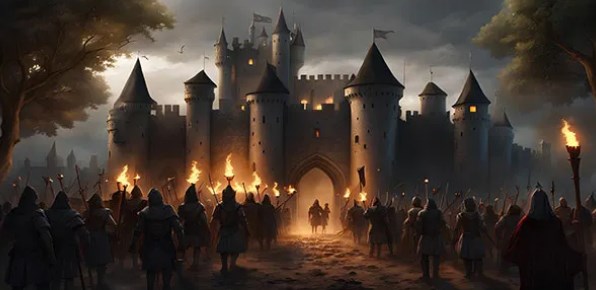
Clover Revenge is a choice-driven role-playing game that drops players into a harsh kingdom where survival and ambition collide, and from the first scene you must act as a claimant to the throne while coping with scarce resources, rival houses, and moral dilemmas. In Clover Revenge you make decisions that shape alliances, unlock story branches, and determine who lives or falls in the struggle for power; the narrative reacts to your choices so that the same event can have very different outcomes depending on your strategy and tone. This introduction highlights the game systems, control hints, progression mechanics, visual direction, replay value, accessibility options, and typical player experience so you can decide whether this title fits your preferences.
The game emphasizes a branching narrative where each major choice routes you toward distinct scenarios rather than simply changing dialogue text. Encounters are structured around decision nodes: diplomatic negotiations, tactical retreats, covert operations, and personal dilemmas that test loyalty and ethics. Many scenes combine resource management with conversation skill checks, so players who plan ahead and monitor relationships will unlock unique outcomes. Combat is not the constant focus; instead, tension arises from balancing short-term survival with long-term political gains. The pacing alternates between story-driven chapters and concentrated decision sequences that feel like interactive scenes rather than repeated fetch quests.
Controls are optimized for touchscreen devices: most actions use simple taps to select choices, swipes to navigate logs and menus, and long-presses for context-sensitive information about characters or items. The interface groups narrative options clearly and provides a readable history panel so you can review recent decisions without losing your place. Menus are compact and designed for both phones and tablets, with responsive buttons and tooltips that explain the likely consequences of high-risk decisions. The control scheme is intentionally minimalist to keep attention on the story and choices rather than complex command chains.
Progression in Clover Revenge is driven by narrative milestones, relationship meters, and conditional unlocks rather than traditional leveling. As you make choices, characters react and their trust or hostility changes; certain paths open only when you meet relationship thresholds or gather specific resources during earlier chapters. There are persistent consequences: decisions can close off entire branches or create opportunities for alliance-building, and unlocking a new route may require revisiting earlier choices in a later playthrough. Equipment and items appear as narrative rewards that influence options in key scenes instead of serving as primary power multipliers.
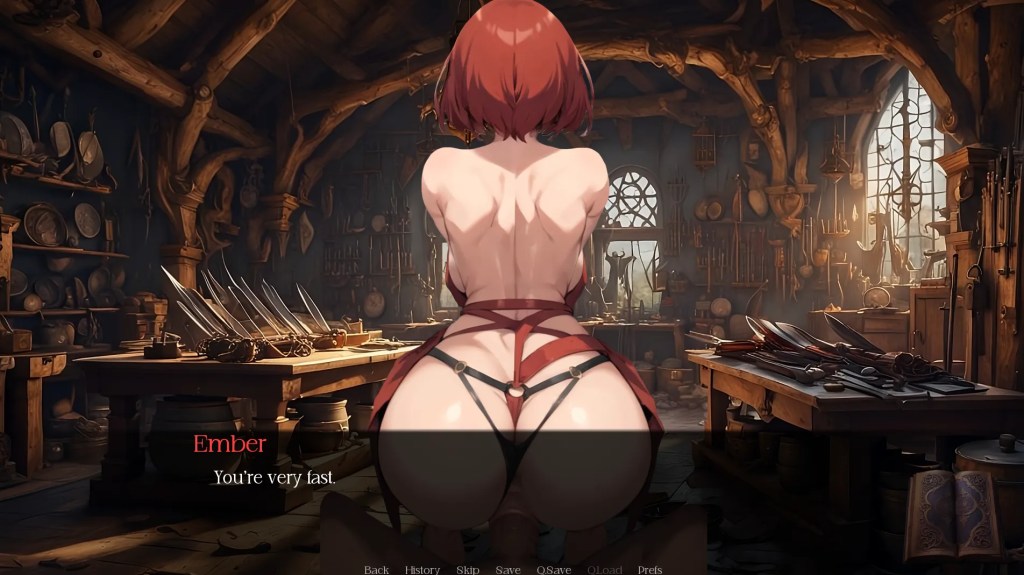
The visual presentation favors moody, hand-painted backgrounds and expressive character portraits that shift to reflect mood and status. Scenes are laid out as discrete chapters or locations within the kingdom—courts, border outposts, taverns, and hidden sanctuaries—each designed to focus storytelling and player choice. Rather than large open-world exploration, the game uses compact, vignette-like levels that concentrate on meaningful decision points and character interactions, enabling a cinematic progression that highlights dialogue and consequence over traversal.
Customization centers on role definition and reputation rather than deep appearance editors: you choose how your claimant behaves, which factions you court, and which personal values you prioritize. These choices alter available actions, dialogue tones, and how NPCs respond, producing a tailored narrative feel. Small customizable elements—such as selecting advisors or prioritizing resources—affect tactical options in later chapters, so early playstyle choices carry weight throughout the story.
Replay value is a major design point: the branching structure encourages multiple playthroughs to discover alternate endings and hidden events. The game includes adjustable challenge settings that affect resource scarcity and the strictness of certain checks, allowing players to test different strategies without replaying the entire campaign under the same conditions. Permadeath-style consequences are present in some branches, reinforcing the gravity of choices and rewarding careful planning while remaining optional through difficulty settings.
Menus and text use scalable fonts and clear contrast to support readability; audio cues and optional subtitles assist players who prefer visual or hearing accessibility. Save and quick-save systems enable players to experiment with decisions without losing progress, and an offline mode allows the entire single-player story to be played without a network connection. Controls and pacing have been tuned for sessions of varying lengths so you can play a short chapter on the go or work through longer sequences when you have more time.
New players should treat early choices as experiments: focus on establishing a consistent stance toward key factions, keep track of allies and debts, and use the history panel to review critical decisions before major turning points. Since Clover Revenge rewards thoughtful planning over reflexes, taking time to read character motivations and preparing contingencies will reveal richer outcomes. Expect several hours to explore a complete path, and plan multiple playthroughs to uncover the full scope of the story and hidden content.