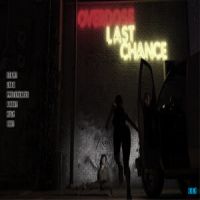
Overdose last chance
Version: 0.0.1
265.80MB
4.1
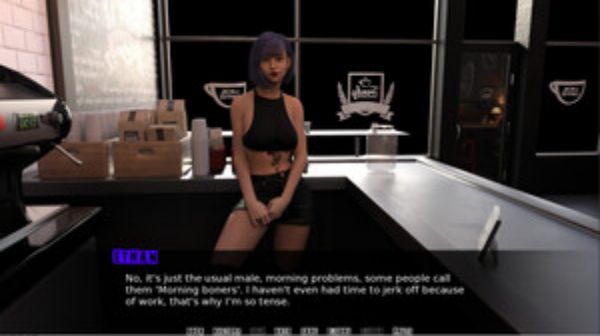


Overdose last chance is a narrative-driven interactive experience that introduces two interwoven perspectives: a war veteran seeking a way back to everyday life while confronting urges for revenge, and a former drug user whose fragile recovery is tested when unresolved events resurface. Overdose last chance opens with character-led scenes and carefully written dialogue rather than arcade action, inviting players who prefer emotionally grounded storytelling to pay close attention to choices, tone and the interpersonal consequences that follow.
The game centers on dual perspectives that let you alternate between protagonists to view events from different angles and assemble a fuller picture of cause and effect. Conversations and scene choices shape immediate outcomes and create ripple effects for later chapters, producing a branching narrative structure without relying on complex inventories or fast-paced combat. The writing treats themes such as trauma, recovery, family and revenge with restraint and maturity, encouraging thoughtful engagement rather than sensationalized content.
Gameplay emphasizes choice-driven interactions, scene exploration and short, focused sequences that reward attention to dialogue and context. Controls are optimized for touch devices: tap to progress scenes, use swipe gestures to reposition the camera in certain vignettes, and select on-screen dialogue options to influence tone and intent. Interaction is deliberately paced and accessible, with responsive touch targets and clear visual cues so players can take time on decisions. Occasional interpretive moments function like light puzzles where you must read clues in the environment or dialogue to unlock the next chapter, but the primary challenge is emotional and situational rather than reflex-based.
Progression is narrative-driven: chapters unlock as you make decisions and reach key scenes, and alternate responses open new dialogue paths and endings. The structure supports replayability because revisiting earlier chapters and choosing different options reveals new information about both characters and their relationships. Save points are placed before pivotal decisions to let you experiment with alternate outcomes without losing overall progress, which makes it easy to test different moral choices and observe how consequences accumulate across the story.
The visual presentation favors intimate, character-focused compositions and moody lighting that reinforce the contemplative tone. Art direction leans toward realistic portraits and atmospheric backdrops rather than flashy effects, so attention stays on facial expressions and small gestures during conversations. Sound design complements the narrative with a restrained score, carefully mixed environmental ambience and clear voice snippets or text-driven dialogue cues that heighten emotional beats without overwhelming scenes. The combined audio-visual approach aims to create immersive, human-centered moments that support the writing and the characters' emotional arcs.
Chapters are organized as self-contained scenes rather than traditional maps, each crafted to deliver a particular emotional arc or character revelation. Challenge arrives through ethical dilemmas, timing-sensitive dialogue choices and interpretive mini-tasks that test your reading of context and motives. There are no leaderboards or high-score mechanics; the central challenge is to navigate complex interpersonal situations, anticipate consequences and observe how earlier decisions change later interactions and available information.
Rather than cosmetic customization, the title offers meaningful narrative customization by allowing you to shape personalities and relationships through choices, effectively directing character development across multiple playthroughs. The interface remains uncluttered with legible fonts and simple menus. Accessibility options include adjustable text size, color-contrast modes and control sensitivity settings to suit different devices and visual needs. These options are intended to make the experience comfortable for players who prefer a measured, contemplative pace and need clearer presentation to follow complex scenes.
The game is primarily a single-player, offline narrative experience, so you can play without a persistent internet connection once the app is installed. Device requirements and file size are presented clearly in the store listing, and the project is optimized for standard phones and tablets with touch controls. Content warnings are provided to inform players about mature themes, and the pacing is tuned to reward curiosity and repeated playthroughs rather than grinding or collectible hunts.
For players seeking a reflective, story-first interactive title, Overdose last chance offers layered perspectives, meaningful choices and an emphasis on character over spectacle. The game balances careful writing, accessible controls and replayable branching paths so that paying attention to dialogue and relationships yields new discoveries on subsequent playthroughs, making it a thoughtful option for fans of narrative-driven interactive fiction.