Homecoming
Version: 1.0
258.15MB
4.2


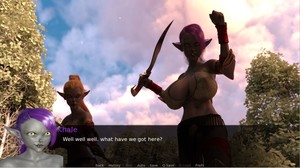
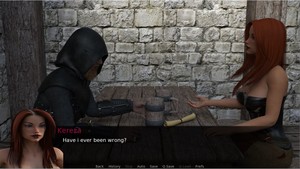
Homecoming is a narrative-driven fantasy RPG that places you in the aftermath of a failed heist: a powerful demon has altered the protagonist’s body and identity and left them stranded far from home. In Homecoming you explore the Fraevels, a dark yet occasionally whimsical realm filled with goblins, orks, ogres and other classic creatures, while you search for a way back and confront the forces that wronged you. The game emphasizes character-focused storytelling, encounter-driven progression and mature themes presented in a narrative context rather than as sensational content.
The core of Homecoming is a story about identity, exile and revenge that unfolds through exploration and meaningful choices. Encounters are primarily narrative and tactical: dialogue, investigation and situational challenges determine outcomes as often as any combat. A central transformation mechanic affects how NPCs react, which quests become available, and which dialogue options appear, so player decisions influence both personal arcs and the wider story. The Fraevels setting offers varied locations — ruined towns, misty forests, underground warrens — each with its own tone, hazards and story threads.
Homecoming is designed for touch-first devices with intuitive controls that balance accessibility and depth. Exploration uses simple tap-to-move and context-sensitive interaction icons, while encounters are resolved through a mix of choice-based exchanges and situational challenges that rely on your character’s attributes and inventory. Combat, when it occurs, focuses on positioning and resource management rather than fast reflexes, letting players pause to consider options. Menus are laid out for quick access to quests, journals and character sheets so you can follow branching storylines without losing immersion.
Progression in Homecoming combines narrative milestones with character development. Completing quests and resolving encounters rewards experience and narrative consequences that unlock new abilities, dialogue paths and reputation effects with factions. Customization centers on role-defining choices — which skills you develop, which allies you befriend, and what values your character adopts — rather than purely numerical min-maxing. Equipment and consumables play a supportive role, offering tactical variety in encounters without turning the game into a gear grind.
Visually, Homecoming leans into atmosphere: moody, hand-crafted environments and detailed character portraits create a sense of place and personality. Levels are structured as interconnected regions that reward exploration and curiosity, with optional side quests and secrets that expand the lore of the Fraevels. The pacing alternates between quieter investigative sections and higher-stakes encounters, giving the narrative room to breathe while keeping progression steady.
The game encourages replay through branching paths and multiple outcomes tied to your choices, alliances and how you respond to the transformation at the story’s center. Challenge systems scale with player decisions rather than purely by level, so tackling certain quests with different approaches leads to new dilemmas and alternate resolutions. Optional difficulty settings let you tailor combat and encounter complexity, while permadeath or hardcore modes are not implied — the focus is on narrative consequence rather than punishing mechanics.
Homecoming aims for a comfortable user experience on a broad range of devices. Font sizes and UI contrast are adjustable for readability, and touch sensitivity options help players who prefer different control schemes. The game is primarily single-player and designed to run offline after installation, allowing you to play without a persistent network connection. Save-anywhere functionality and a clear quest journal make it easy to pick up and continue long narrative sessions at your own pace.
Expect a mature, story-led RPG with an emphasis on character choices and atmospheric exploration rather than action-heavy mechanics. Homecoming addresses themes of identity and transformation in a narrative-driven way and is best suited to players who enjoy morally complex plots, branching dialogue and world-building. While the subject matter may not be for younger audiences, the presentation remains focused on story and consequence rather than explicit content.