GamePulse
Version: 1.0
22.60MB
4.5


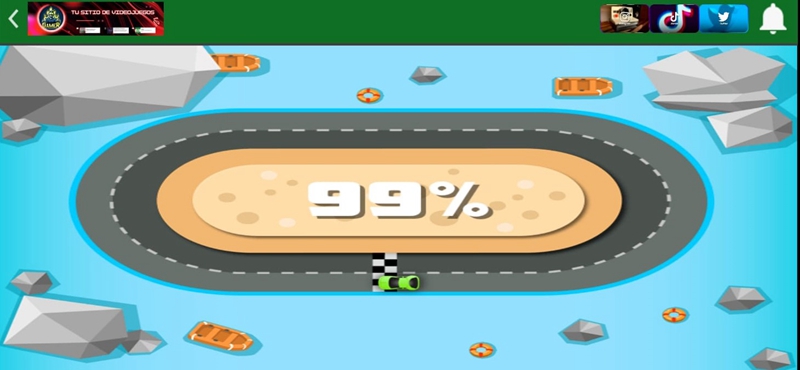
GamePulse is a curated platform that gathers a broad selection of online and hybrid casual games, designed to engage players with varied tastes and skill levels. GamePulse focuses on clear mechanics and approachable controls so players can jump straight into short puzzle sessions, enjoy reflex-based action rounds, or take on longer sports and strategy challenges at their own pace. The app’s layout highlights handpicked titles, making it easier to discover new gameplay styles without sifting through cluttered lists or unclear menus.
The GamePulse catalog is arranged into intuitive categories that reflect genre, difficulty and play length, helping you find a quick match or a deeper challenge depending on your available time. Each game listing includes an overview of mechanics, recommended controls and an estimated play session length where available. Curators focus on titles that deliver consistent, understandable rules so newcomers can learn quickly while experienced players can pursue mastery.
GamePulse hosts a variety of gameplay mechanics that include tile-matching puzzles, timing-based action, physics-driven challenges and precision sports simulations. Controls are described per title and are typically optimized for touchscreens: single-tap, swipe, drag-and-drop and on-screen buttons are common. Where developers provide alternate input options, GamePulse notes tilt or virtual joystick support. The platform emphasizes predictable, responsive input so that player skill and decision-making drive outcomes rather than inconsistent controls.
Progression depends on the individual games within GamePulse, but many entries follow familiar systems such as level-by-level advancement, checkpointed stages and reward tiers that unlock new levels or cosmetic options. Some games use stars or score thresholds to gate optional content, encouraging replay for higher performance. Difficulty ramps are handled through tighter level design, additional hazards or time constraints, allowing players to choose relaxed sessions or more demanding runs as they improve.
Titles featured in GamePulse range from minimalist 2D art to colorful, cartoony presentations that prioritize readability and clear feedback. Level structure varies by genre: puzzle games frequently present compact grids or boards with set goals, action games deploy short arena encounters or time-limited rounds, and sport-style minigames use replayable drills and match simulations. The common aim is visual clarity that helps players understand objectives and react confidently during play.
While the platform itself does not impose uniform customization across games, many curated titles include options to adjust difficulty, control sensitivity and visual accessibility settings such as color contrasts or larger UI elements. GamePulse highlights these options on each game page to help users tailor their experience. Players can prioritize titles that offer the customization they prefer without needing to try each game blind.
Replayability is a focus for the library: shorter levels and multiple difficulty tiers encourage repeated attempts, while score-based challenges and optional objectives reward refinement of technique. Several games include procedurally varied stages or randomized elements so runs feel fresh. Because the platform gathers diverse genres, switching between game types also refreshes interest and makes GamePulse useful for both quick breaks and longer play sessions.
GamePulse aims for accessible navigation with readable menus, clear labels and simple onboarding that explains controls and goals for each game. Many listings call out accessibility features provided by developers. Note that because GamePulse emphasizes online-delivered games, a stable internet connection is recommended for browsing and most gameplay; however, some curated titles offer limited offline modes or can cache levels locally when the developer supports that functionality. The app clearly indicates when a game has offline availability so users can plan play during travel or areas with limited connectivity.
GamePulse’s main strengths are its curated selection and straightforward presentation, which reduce time spent searching and increase the chance of finding enjoyable, well-designed games. The variety of genres and difficulty options makes it suitable for different ages and play preferences. Practical limitations include dependence on internet connectivity for many titles and the possibility that very niche or deeply specialized games may not appear in the curated library. The platform is designed to balance quality and variety rather than to serve every single niche preference.