
Doki Doki on Vacations (+18)
Version: 0.4.1
414.40MB
4.2
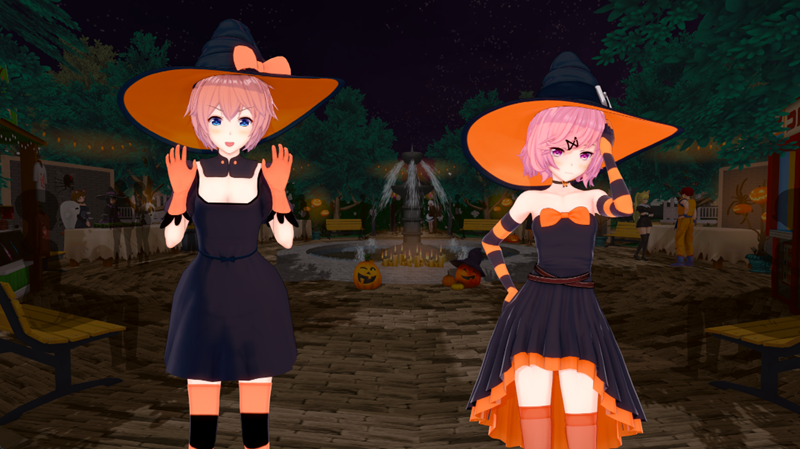
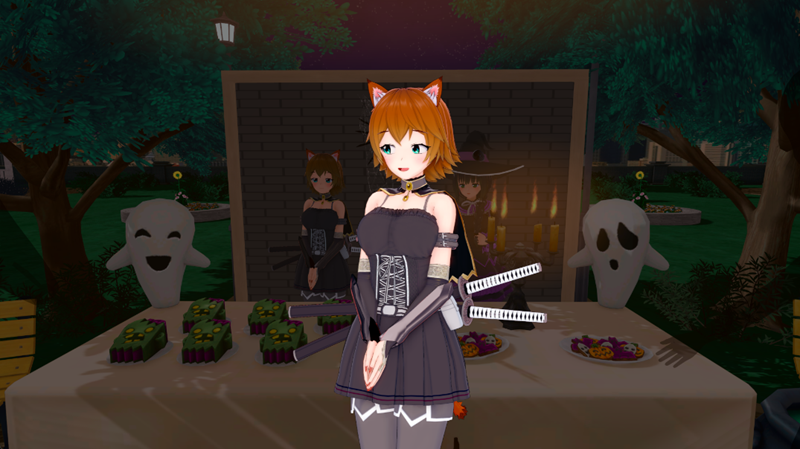

Doki Doki on Vacations (+18) places familiar characters from the post-DDLC setting into a relaxed holiday scenario where narrative beats and character moments take precedence over mechanical depth. Doki Doki on Vacations (+18) offers a casual, visual-novel style experience for mature audiences, focusing on dialogue, atmosphere, and episodic interactions rather than competitive or online systems. The title is presented as a low-pressure way to revisit characters in a vacation context while keeping the tone more slice-of-life than action-driven.
The game centers on character interaction in an all-access holiday environment: players can engage with individual cast members at will and follow short scenes that emphasize mood and relationship dynamics. Visual-novel conventions are used to keep the experience straightforward — scene-based storytelling, scripted dialogue, and player choices that guide immediate interactions. The creator indicates ongoing updates, so fresh scenes or minor content additions can be expected over time without the need for complex installs or external accounts.
Gameplay is intentionally simple and accessible. Controls follow standard touch conventions for mobile visual novels: tap to advance text, tap choices to select responses, and use an auto mode to let scenes play at a set pace. Basic quality-of-life options such as text skip, history view, and multiple save slots are typically available to help you manage where you are in the story. There are no fast-paced inputs or reflex-based mechanics; the focus is reading and making conversational choices that determine short-term responses from characters.
Progress is driven by scene completion rather than leveling or grind. Episodes and short chapters unlock as you explore different interactions, and replaying sections lets you pursue alternate lines of dialogue and outcomes. Because the experience highlights character moments, replay value comes from uncovering different conversations, seeing alternate reactions, and exploring varied relationship paths across save files. Doki Doki on Vacations (+18) encourages multiple playthroughs to follow different routes and to collect optional scenes without enforcing lengthy progression gates.
The presentation leans on 2D character portraits and static or lightly animated backgrounds to create a relaxed holiday atmosphere. Character expressions and simple visual cues are used to convey mood shifts and conversational tone, while a minimal interface keeps attention on the dialogue and scenes. Background music and ambient sounds are employed to support setting and pacing, with controls to mute or adjust audio for a personalized experience. The art and UI aim for clarity so players can focus on narrative beats rather than cluttered menus.
Accessibility options and simple customization choices are typically included to make the game comfortable for different players. Adjustable text size, configurable text speed, and the ability to toggle auto-advance help accommodate reading preferences. Multiple save slots and a clear chapter structure make it easy to return to specific moments, and the app is designed for offline play after installation so scenes can be enjoyed without a constant network connection. These elements support short play sessions and make the title approachable for casual players.
The overall user experience emphasizes relaxed pacing: short scenes that are suitable for quick breaks or longer reading sessions, a focus on interpersonal moments rather than challenges, and predictable navigation through conversation trees. The developer has noted the potential for periodic updates, which may add new scenes or refinements to the interface. Because the app is intended for an adult audience, it is labeled accordingly and recommended only for mature users; settings and content warnings are presented so players understand the nature of the material before they begin.
While Doki Doki on Vacations (+18) delivers accessible, character-driven content, the official description and available information are concise, so specific details about total playtime, exact branching complexity, and replay milestones may be limited. Players looking for deep mechanical systems, competitive features, or online multiplayer should not expect those elements here. Instead, anticipate a focused, narrative experience built around dialogue, atmosphere, and episodic character interactions that prioritize mood and relationships over complex progression systems.