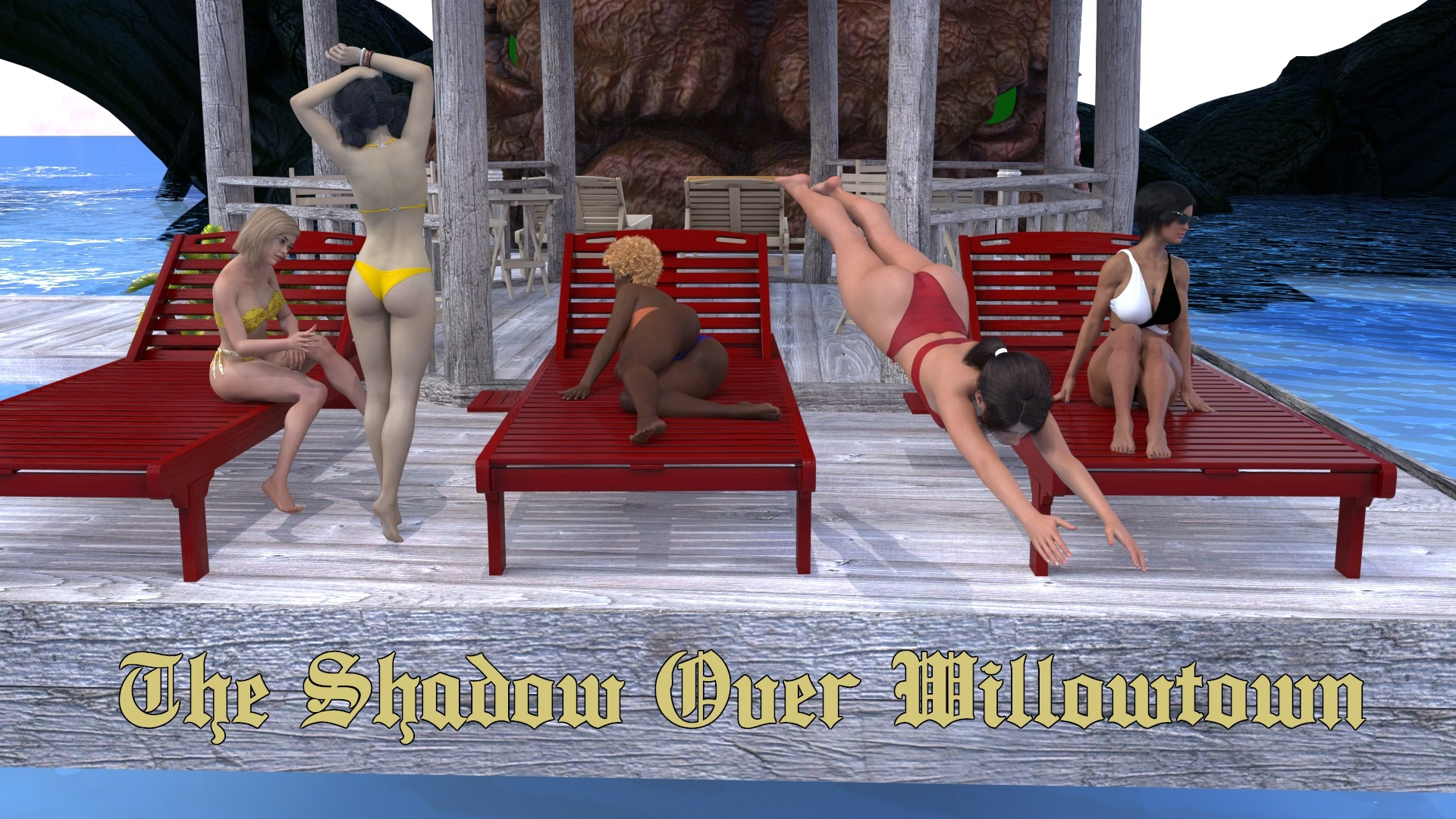
The Shadow Over Willowtown
Version: 2
1446.90MB
4
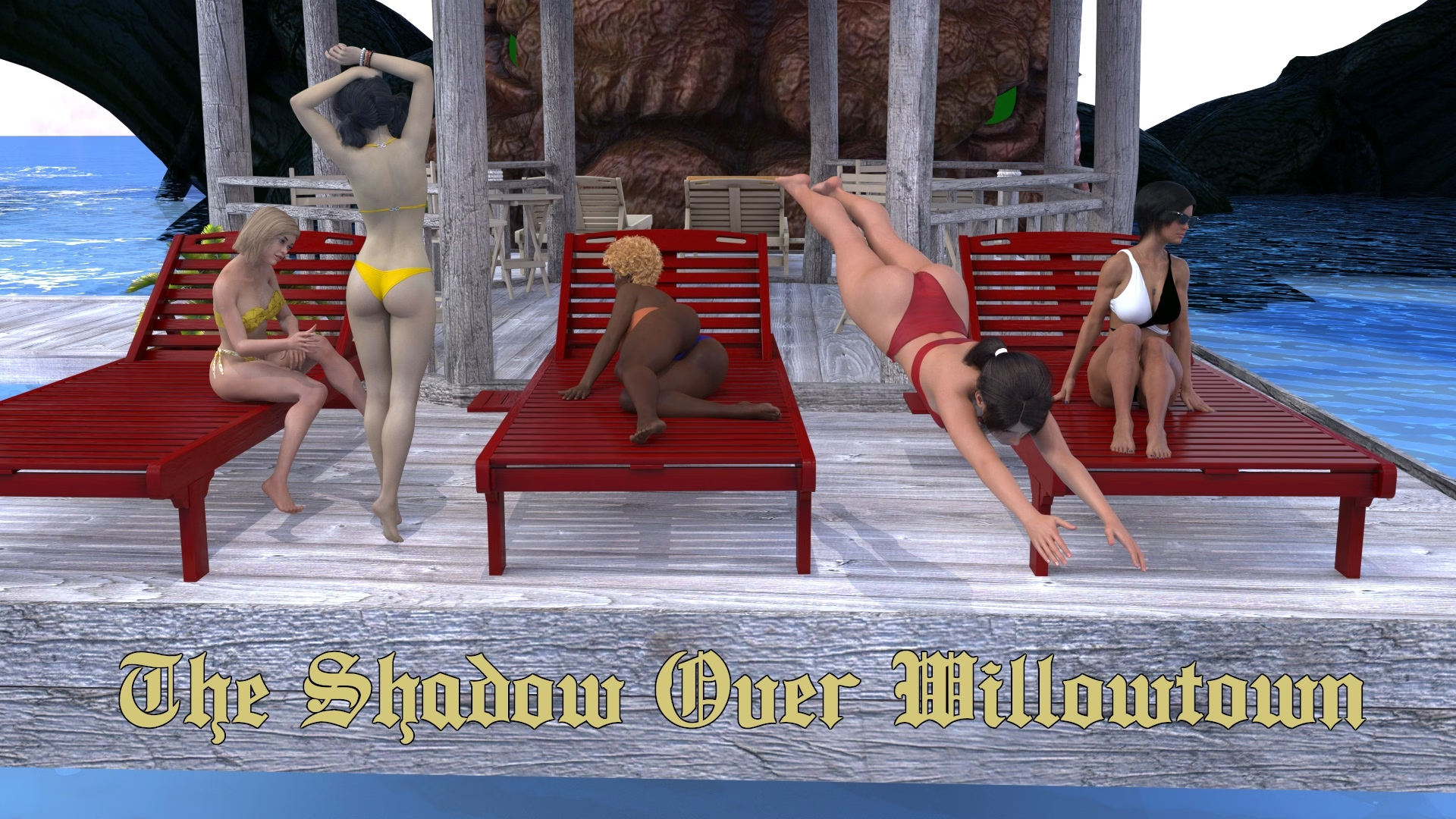




















The Shadow Over Willowtown places you in the fragile shoes of a young student returning to an island university in 1985, where fading memories and an ever-present sense of dread shape every interaction. The Shadow Over Willowtown is a narrative-driven horror experience that leans on literary influences and visual novel mechanics to deliver branching choices, tense atmosphere, and character-driven consequences; it is aimed at players who prefer psychological tension and slow-burn storytelling over action-heavy gameplay.
Gameplay centers on decision points, dialogue trees, and episodic sequences that alternate between quiet investigation and recurring nightmare episodes. Choices made during conversations and investigations influence character relationships and unlock different story branches. The game is structured into chapters and scenes that uncover memory fragments, with each chapter presenting a mix of conversational encounters, short exploration segments around campus locations, and dreamlike sequences that escalate supernatural elements. Environmental details and written notes play a role in progression, encouraging careful reading and attention to context rather than reflex-based challenges.
Controls are designed to be intuitive for touch devices: tap to advance dialogue, tap or swipe to select responses, and use a simple menu to review collected notes or revisit previous scenes where the design allows. A clear interface keeps choices and relationship cues visible without cluttering the screen. Text speed, auto-advance, and a backlog view let you manage pacing, while a straightforward save/load system supports multiple save slots so you can explore alternate paths without losing progress. These interface choices aim to make the experience approachable for mobile play while preserving narrative depth.
Progression is primarily narrative: completing chapters reveals more of the protagonist's past and alters the social dynamics with two close friends and other characters. Multiple endings are reachable based on accumulated choices, hidden information you discover, and how you handle key confrontations. Replayability is deliberate: divergent paths and conditional scenes reward multiple playthroughs and careful exploration. Collectible memory fragments and optional dialogue threads encourage players to replay specific chapters to uncover different combinations of outcomes and to better understand the overarching mystery.
The visual presentation favors moody, period-appropriate art and carefully weighted lighting to evoke a late-1980s island university. Art and scene composition emphasize close character moments and unsettling environmental touches rather than flashy effects. Subtle animation and layered background elements create a sense of place and time, and audio design supports the psychological mood through ambient textures and restrained musical cues that swell in nightmare sequences. The overall aesthetic supports immersion without relying on jump scares, preferring atmosphere and implication.
Options include adjustable text size, contrast settings, and pacing controls to accommodate a range of reading preferences and visual needs. Players can toggle auto-advance and visual motion to reduce discomfort in sensitive sequences. The game is built for solo, offline play so you can experience each chapter and replay branches without an internet connection; saved games remain local to your device and can be managed through the in-game save system. These settings aim to make the story accessible to players with different needs while preserving the intended emotional tone.
Challenge in this title comes from moral and interpretive decisions rather than reflex tests. The tension is psychological: choosing how to respond to friends, whether to confront unsettling clues, and managing limited opportunities to change relationships all create stakes. Nightmare sequences serve as short, unsettling challenges that test your choices and reveal consequences. The pacing favors contemplation, and the interface supports returning to previous choices or multiple playthroughs to experiment with outcomes, which contributes to a thoughtful user experience rather than a high-pressure one.
Among its strengths, The Shadow Over Willowtown offers layered storytelling and character-driven arcs that reward patient players who enjoy piecing together a protagonist's past. The branching structure and collectible narrative elements provide meaningful replay value. Potential drawbacks are the deliberate, slow-burn pacing and mature thematic material: the game emphasizes psychological horror and unsettling content that may not suit players seeking quick action or light entertainment. Still, for players who appreciate literary-inspired horror and branching visual novel mechanics, the title delivers a focused, immersive experience.