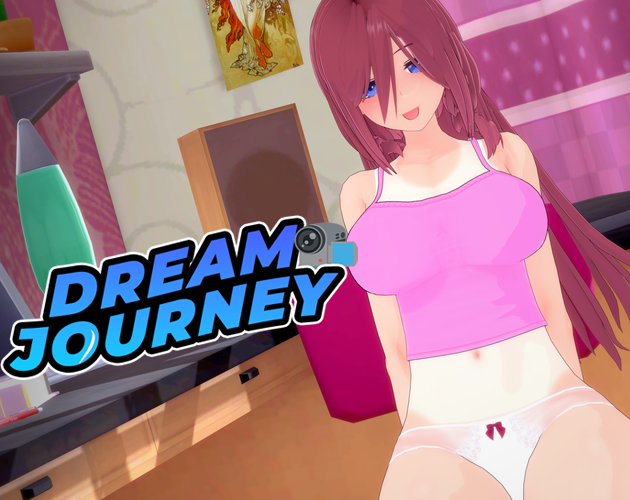
Dream Journey
Version: 0.1.0
695.27MB
4.4
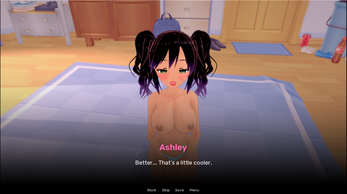
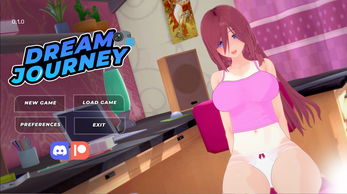
Dream Journey is a narrative-driven visual novel and agency management simulation that places you in the role of a 27-year-old protagonist rebuilding a small adult-content studio from an empty house. The description below explains the game's core systems, controls, progression, and development status in clear, non-explicit terms so readers can understand what to expect before downloading Dream Journey.
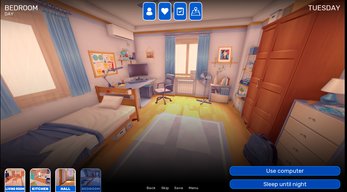
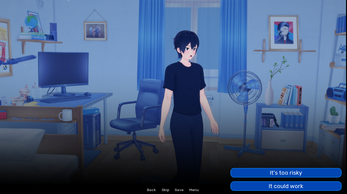
Gameplay in Dream Journey combines branching story choices with light management mechanics. Each in-game day is divided into decision points where you allocate time to activities such as recruiting and mentoring creators, producing content, responding to messages on an in-game computer, and exploring character scenes that affect relationships. Choices alter both personal relationships and the studio's trajectory: different assignments, training decisions, and schedule priorities open or close narrative branches and management outcomes.
The core challenge comes from balancing limited time and resources across competing priorities. You will manage a day–night cycle that influences which tasks are available, handle requests and opportunities that arrive via the simulated inbox, and make staffing and promotion decisions for creators as they progress through career phases. The game places emphasis on planning and consequence rather than reflex-based difficulty: poor scheduling can delay growth, while careful management unlocks new scenes and studio improvements.
Dream Journey is organized into chapters and scenes that map to both narrative beats and management milestones. Chapter progression is driven by a combination of relationship arcs and studio achievements; unlocking certain scenes requires meeting character-specific conditions or reaching thresholds in creator development. This chapter-based structure allows players to focus on short-term runs while exploring longer-term strategies across multiple playthroughs.
The game follows standard Ren'Py visual novel controls optimized for keyboard, mouse, and touch input. Dialog navigation, choice selection, save/load, and text speed adjustments are accessible through the on-screen interface and common hotkeys. The simulated in-game computer uses a simple point-and-click layout to read messages, accept offers, and manage social interactions that influence opportunities and conflicts.
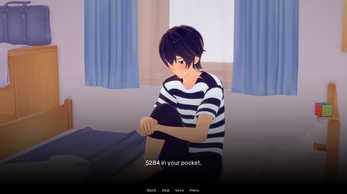
Dream Journey presents hand-drawn character portraits and background art consistent with modern Ren'Py visual novels. The art and UI prioritize readability and mood over flashy effects, supporting long reading sessions with high-contrast text, scene transitions, and character expressions that reflect emotional beats. Scene compositions are designed to support storytelling and player choices without graphic detail; adult themes are handled at a narrative level and are not described explicitly in the interface.
Creators in the studio have development paths that reflect skills, reputation, and availability. Players influence those paths through task assignments, training choices, and promotional decisions. While the player avatar has limited visible customization to maintain narrative focus, decisions about studio policies, schedules, and investments give a meaningful sense of shaping the agency over time.
Replayability is a core design goal: branching decisions, relationship arcs, and career outcomes create different story permutations. Players are encouraged to replay chapters to discover alternative character arcs, test different management strategies, and see how varied scheduling and recruitment choices affect the studio’s growth and available scenes.
The game includes adjustable text speed, an auto-advance option, a skip-unread feature, and multiple save slots for convenience. Dream Journey runs locally and can be played offline after installation, with no mandatory online connection required for the single-player experience. These choices support players who prefer to play at their own pace without network dependencies.
Dream Journey is currently being developed in chapters with Chapter 1 as the primary focus. The team publishes periodic updates and aims to expand the first chapter with additional scenes, characters, and deeper management mechanics over time. Early builds have been made available to supporters, with public releases following as content is polished; the project page and release notes track planned additions such as extra side characters, new locations, and refined career systems.
Raiden Studios is the developer behind Dream Journey, working with a small team experienced in Ren'Py projects to balance narrative and systems design. The team emphasizes iterative improvement, player feedback, and clear version notes for each update so players can follow progress through development builds and public releases.
Dream Journey contains mature themes and adult-oriented storylines that may not be suitable for all audiences; explicit acts are not described in the store text. The description here focuses on gameplay, systems, and presentation so readers can make an informed choice prior to downloading or purchasing.