Sekira
Version: 0.4
695.00MB
4.2
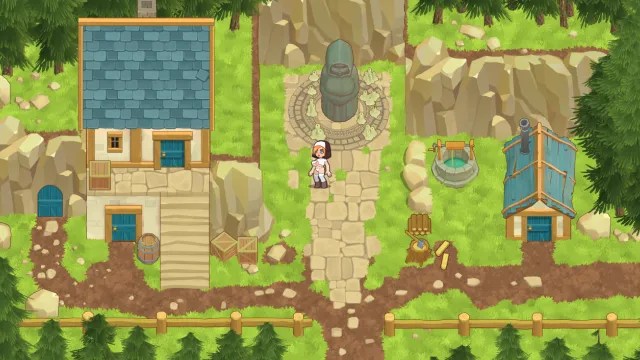
Sekira is a story-driven action-adventure game that puts you in the role of Anahel, a reluctant heroine chosen by prophecy to stop a spreading corruption before it completes a world-devastating portal. This editor introduction highlights Sekira’s core systems, the single-player focus, and what to expect from the current early development builds; the tone is informative and aimed at players seeking a tactical, narrative-led mobile experience.
Sekira centers on solo, mission-based progression where exploration, environmental puzzles, and combat combine to move the story forward. You will travel through varied locations such as ruined temples, shadowed woodlands, and corrupted hamlets, each area built with interconnected paths and optional side spaces that reward careful exploration. Objectives are frequently artifact-centered: you might need to locate a fragment of the Goddess’ heart, activate a dormant altar, or escort a fragile item while enemies try to intercept. These mission structures encourage careful planning and occasional backtracking when new abilities unlock previously inaccessible routes.
The game emphasizes tactical encounters over frantic button-mashing. Regular adversaries arrive in swarms that require crowd-control approaches, while larger boss fights unfold across several phases and rely on pattern recognition and timing. Artifacts found in the world grant temporary or situational advantages, and consumable resources force players to weigh risk versus reward. Positioning, use of the terrain, and proper timing of dodges and counterattacks are central to success; enemy behavior is designed to prompt adaptation rather than repetitive exploitation of a single tactic.
Sekira is built with touch-first input in mind: movement and camera control are achieved through intuitive on-screen controls, with context-sensitive buttons for attacks, dodges, interactions, and artifact use. The control layout can be customized to suit different hand sizes and play styles, and sensitivity settings let players tune responsiveness for their device. In-game prompts clearly explain interactions with objects and NPCs, and the HUD highlights current objectives, health, and nearby points of interest to reduce confusion during tense moments. The balance between clarity and immersion was prioritized so that players can focus on exploration and tactics without unclear UI elements getting in the way.
Progression in Sekira is driven by quest completion, artifact discovery, and unlocking narrative milestones. As Anahel collects key items or completes story beats she gains access to new abilities and previously sealed areas, creating a steady sense of advancement. Equipment and artifact upgrades are tied to components found in the world or earned through missions; those upgrades change how encounters can be approached but do not radically alter core balance. Visual customization is modest, allowing changes to basic outfit elements to reflect the character’s journey without introducing pay-for items or disruptive mechanics that affect game balance.
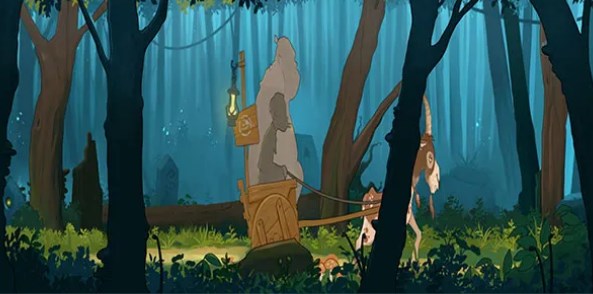
The presentation favors moody, atmospheric environments where lighting, silhouette, and layered sound design communicate danger and story. Levels are constructed as a mixture of linear mission corridors and optional zones to explore, with environmental storytelling used instead of long expository cutscenes. Murals, ruins, and written descriptions found on items reveal background lore and invite players to piece together the narrative at their own pace. The art direction supports clear navigation while maintaining a strong sense of place and tension.
Sekira delivers replay value through optional objectives, hidden artifacts, and multiple approaches to solving combat and puzzle encounters. Players can revisit areas with new abilities to uncover secrets and test alternate upgrade paths. For those seeking more difficulty, optional challenges and tougher enemy placements offer a stiffer test without gating core story progress. This design encourages experimentation and provides reasons to replay missions for different outcomes and discoveries.
The game offers configurable difficulty, adjustable controls, and readable HUD elements to support a broad range of players. Sekira is primarily playable offline as a single-player experience, reducing the need for a persistent connection; early access includes optional reporting tools for bug submissions and feedback. Performance options allow players to prioritize frame rate or visual fidelity on lower-spec devices, and the interface adapts to multiple screen sizes to keep key information visible and legible.
Sekira is currently in active development and distributed as an early access build. Expect regular updates that address stability, balance, and content expansion. The development team actively collects player feedback to refine combat, improve UI polish, and complete story elements. Early builds, referenced in update notes, are intended for testing features and gathering constructive reports from the community to guide future improvements.