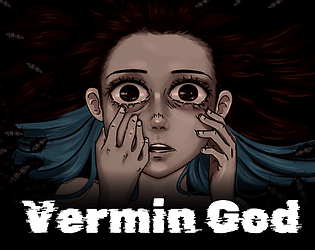
Vermin God
Version: 0.1.9.0
117.00MB
4.4
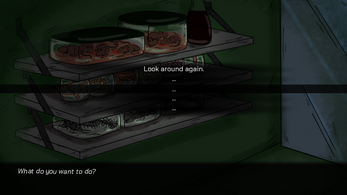
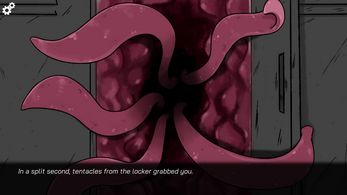
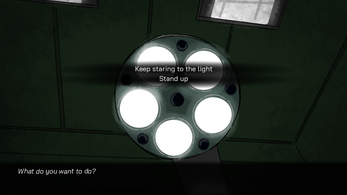
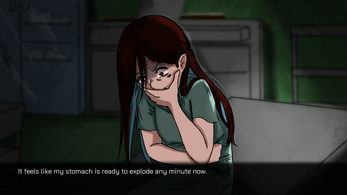
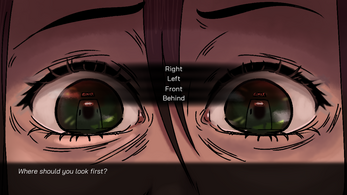
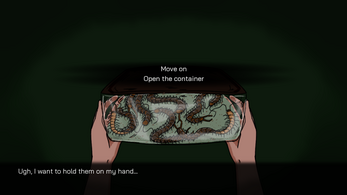
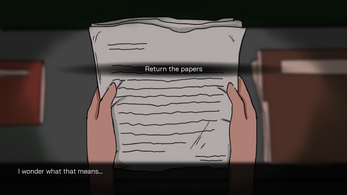
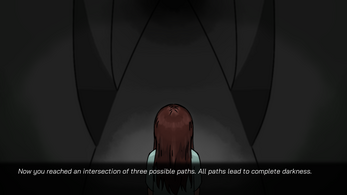
Vermin God is an insect-horror, multi-path visual novel that places you in a tense, choice-driven mystery; you take the role of Sye Mejia, an 18-year-old afflicted by an unexplained condition called Anomaly 270 that draws rats, roaches and other vermin toward the host. Vermin God opens in a hidden underground science facility where Sye wakes with no memories, and the game rewards careful exploration, clue gathering and replay as each decision reshapes the narrative and consequences.
This visual novel emphasizes branching storytelling and player agency rather than action. Choices alter scenes, character relationships and the ultimate outcome across multiple endings, and the narrative encourages a slow-burn approach to discovery. Investigation sequences require examining environments, piecing together disparate clues and interpreting unsettling anomalies to unlock new branches. The presentation blends illustrated scenes, atmospheric sound design and intermittent animated effects to heighten tension without relying on jump scares. Strong replay value stems from meaningful divergences that reveal new information on subsequent playthroughs.
The core gameplay combines reading-driven narrative with environmental investigation and light interactive elements. Players move between rooms of the facility, inspect objects for hints, collect notes and follow dialogue choices that branch the story. Investigation segments present descriptive options and decisions that can close off or open new narrative paths; outcomes depend on which clues you prioritize and how you interact with other characters. Encounters with vermin and anomalies are handled through narrative choices and situational responses rather than combat, emphasizing moral tension and story impact.
Controls are optimized for touch devices: tap to advance text, tap highlighted areas to inspect, and choose from readable option menus when prompted. A backlog view lets you review previous lines of dialogue, and adjustable text speed and auto-advance options make it easy to tailor pacing. Save and load slots allow players to preserve key moments and experiment with alternative decisions without restarting from the beginning. Visual cues and clear UI elements keep navigation intuitive for first-time visual novel players while accommodating experienced readers.
Chapter-based structure guides the pacing while branching nodes determine how the story unfolds; some choices unlock exclusive scenes, others redirect the plot toward different endings. Progression is largely narrative-driven: gathering specific clues or pursuing certain characters will open routes that reveal more of the facility's secrets. There is no level grinding; advancement depends on exploration, dialogue choices and how comprehensively you investigate the environment, encouraging multiple playthroughs to see all content.
The art direction favors unsettling, insect-themed imagery and close-focused character illustrations that emphasize mood and bodily unease consistent with the horror premise. Background environments are rendered to evoke the claustrophobic corridors and labs of an underground research facility, while subtle animated effects bring scenes to life. Sound design is used sparingly and deliberately: ambient drones, distant scuttling and selective cues heighten tension and support the atmosphere without overwhelming the narrative text.
Vermin God includes options to adjust text size and contrast, toggle auto-advance or manual mode, and disable animated scene effects for players who prefer a simpler presentation. Content warnings are presented where graphic imagery may appear, and players can choose to skip or review intense scenes. The UI is designed for comfortable single-handed play on phones and for tablet layouts, and a readable text log keeps dialogue accessible for players who want to revisit information at any time.
The game is designed to run smoothly on a wide range of devices and supports offline play once installed, so you can explore the story without an active connection. Performance options let you reduce animated effects to improve battery life on older hardware, and the package size is optimized for quick download while retaining high-quality artwork and audio assets.
Challenges in Vermin God come from narrative dilemmas and investigative complexity rather than action difficulty: timing of decisions, incomplete information and moral trade-offs create tension and meaningful stakes. Multiple endings, hidden branches and scene variations reward players who replay and try different investigative approaches, and new dialog options may appear if you revisit areas with previously collected clues.
Vermin God is the studio's first full commercial release, created by a small team of writers, artists and horror enthusiasts who draw inspiration from internet horror and collaborative myth-making. The developers are committed to post-release support and incremental updates that refine presentation and accessibility; player feedback has a direct role in shaping future improvements and narrative additions.
This title contains body-horror themes and disturbing insect imagery that may be unsettling to some players; it is narrative-heavy and not focused on fast-paced action. As an indie debut, some rough edges may remain in early builds, and players who prefer arcade-style gameplay may find the investigative pacing slow. Content warnings and adjustable settings help mitigate experience intensity where possible.