
Sigil: The Card RPG - the demo
Version: 1.0.0
37.90MB
4.1
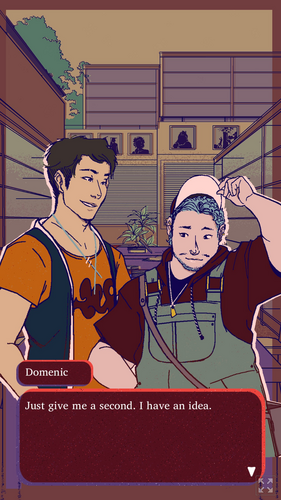
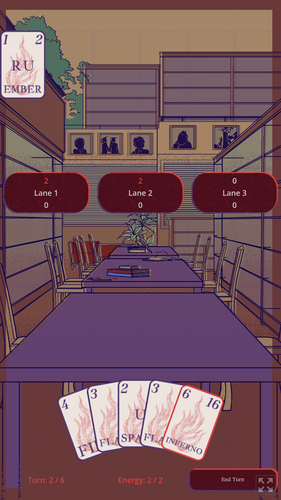
Sigil: The Card RPG - the demo is a short, playable opening scene and interactive tutorial that introduces the core ideas behind a tentative card-based RPG. This small build presents lane-based card combat, ability-driven interactions, and a risograph-inspired visual identity while remaining accessible on mobile-first interfaces and desktop browsers; the goal is to let players quickly feel the tactical rhythm and learn the card markers used across the prototype.
The experience centers on compact, tactical encounters where each lane matters and timing changes outcomes. Players encounter a limited pool of cards during the tutorial sequence and are taught how abilities interact: R (Ripple) copies a card's power to the adjacent lane on play, S (Surge) increases a card's power at turn end based on how many cards share its lane, and U (Undercut) reduces the highest-power enemy card on turn end. Cards can carry multiple markers and combining these effects is the primary strategic layer in the demo. The play loop is deliberately concise: learn an interaction, test it in a short scene, then iterate with a different approach to see its consequences.
The interface is designed for touch-first operation but translates cleanly to mouse-driven testing. Typical controls are simple and direct: tap a card to view its details and tap the target lane to play; on desktop, click interactions mirror this flow. Visual cues and clear letter markers are emphasized so players can rapidly identify abilities and potential synergies without memorizing icons. Tooltips and brief tutorial prompts guide early decisions, and sound cues reinforce game-state changes, making the demo approachable for both new and experienced collectible card fans.
The build functions as an opening scene: it walks players through layered tutorial stages that introduce turn flow, lane importance, and ability timing. Each stage acts like a compact level with explicit goals rather than a long campaign—this keeps commitment low while allowing players to practice discrete mechanics. Because this is a demonstrative prototype, there is no extended campaign progression in this release; instead, progression is measured by player understanding and mastery of individual card interactions within the short sequences provided.
Rather than broad customization systems, the demo offers emergent variety through the cards available and the way their abilities can be combined during each encounter. Challenge comes from limited card choices and the positional decisions required by lane combat. Replay value is grounded in experimentation: repeating the opening scenes with different card selections and priorities reveals new synergies and helps players discover edge-case combos that are not immediately obvious. The demo also encourages testing edge interactions and serves as a sandbox-like snapshot of design intent rather than a complete product.
Visually, the project leans on risograph-inspired printing textures and a concise color palette to create an experimental, tactile atmosphere. Card art and interface elements aim for high contrast and legible lettering to support readability; the use of letter markers (R, S, U) alongside iconography helps players who rely on shape or text recognition. Audio design in the demo focuses on short, characterful cues that highlight important moments in combat without overwhelming the clarity of decisions. These choices prioritize clarity and accessibility for a wide range of players.
Sigil: The Card RPG - the demo runs smoothly on Android and in desktop browsers and is targeted at quick play sessions—ideal for testing mechanics on the go. As a prototype built for a game jam environment, it is intentionally compact and self-contained: you can expect short playthroughs that demonstrate core systems rather than a full progression loop. The interface minimizes friction for touch controls and supports short offline testing sessions, although the demo is not a feature-complete release and does not include online services.
Sigil: The Card RPG - the demo was made by a small team: Matt Horton (concept and programming), ReeSetArt (art), and Alexander Morgan (sound, music, and related programming). The build includes an externally sourced fire asset used under license. The demo exists to showcase mechanics, art direction, and audio intent; player feedback on this release helps the creators prioritize features and adjustments for future iterations.