Grand War 2
Version: 84.7
1011.60MB
4
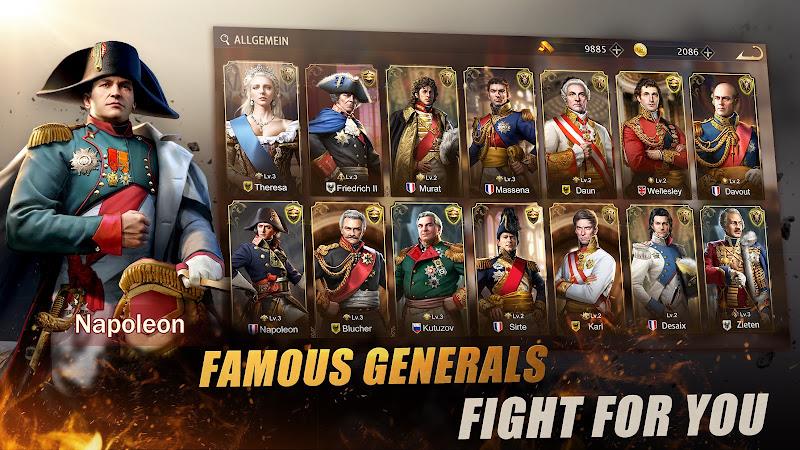
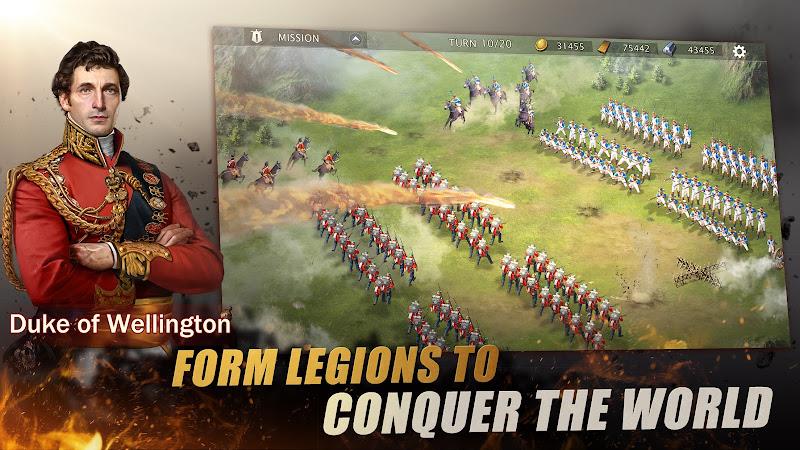
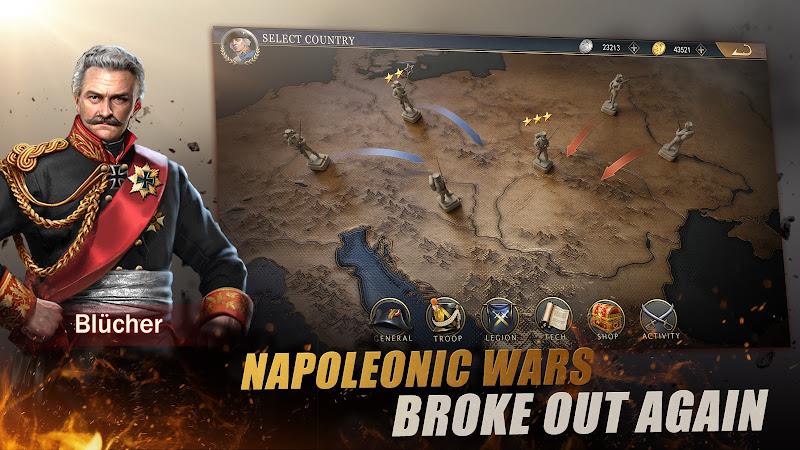
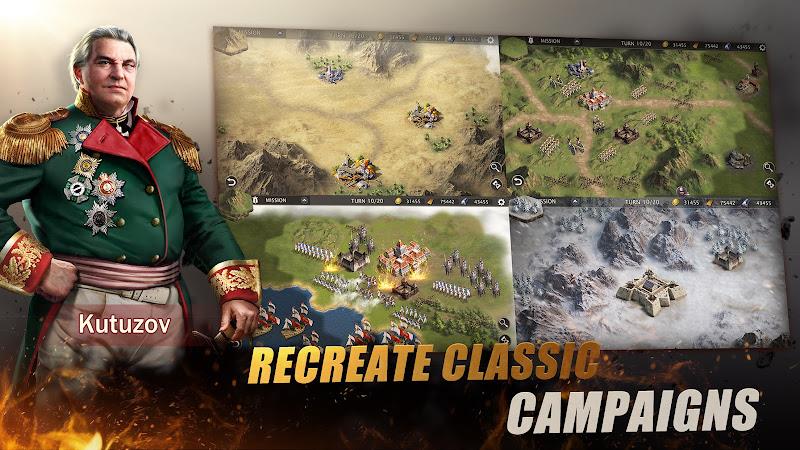
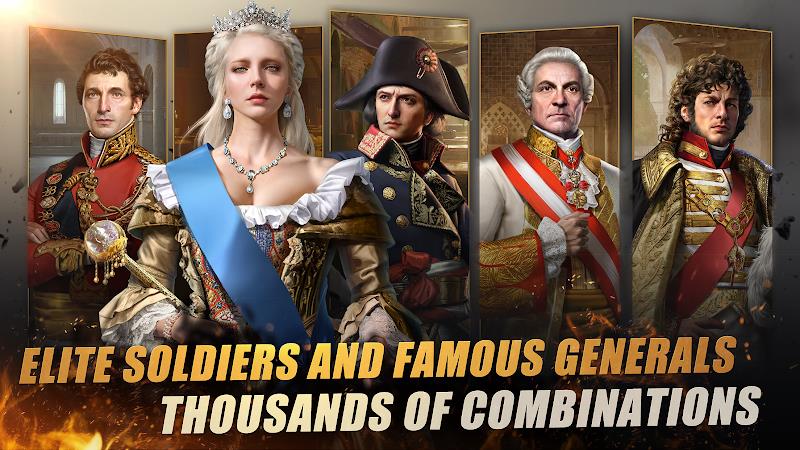
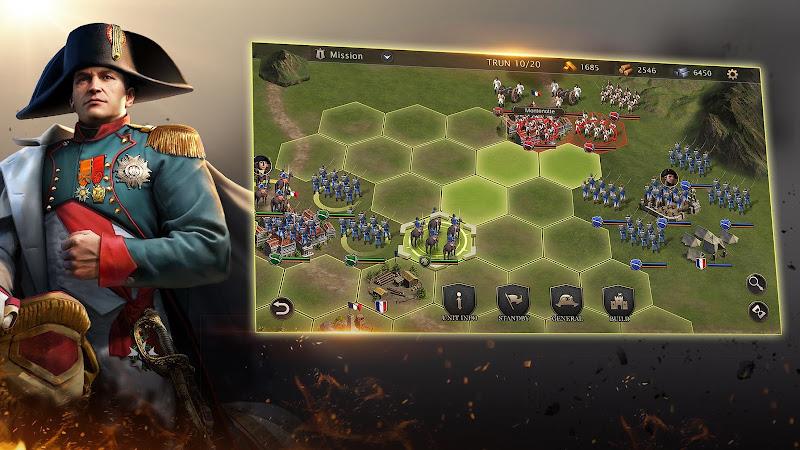
Grand War 2 is a turn-based strategy title that places you in charge of armies and famous commanders during the Napoleonic era, combining historical scenarios with a layered tactical system. In this editor review we describe how Grand War 2 structures campaigns, handles unit progression and controls, and what players can expect from its presentation and long-term replay value. The introduction below is aimed at readers who want an informed, practical overview before downloading the APK.
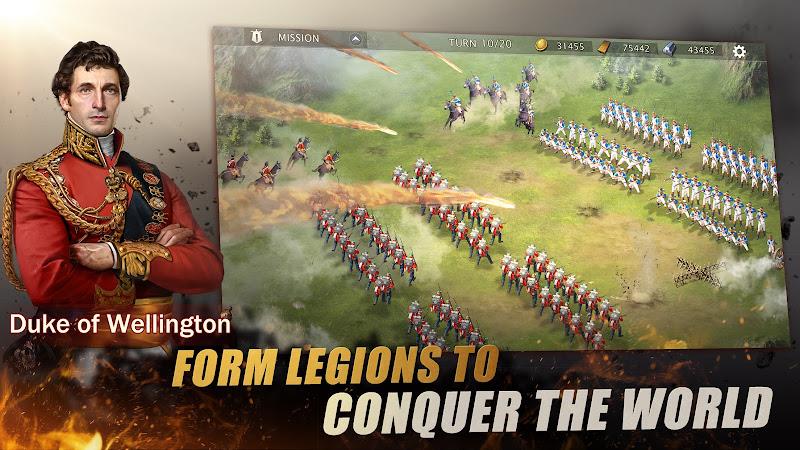
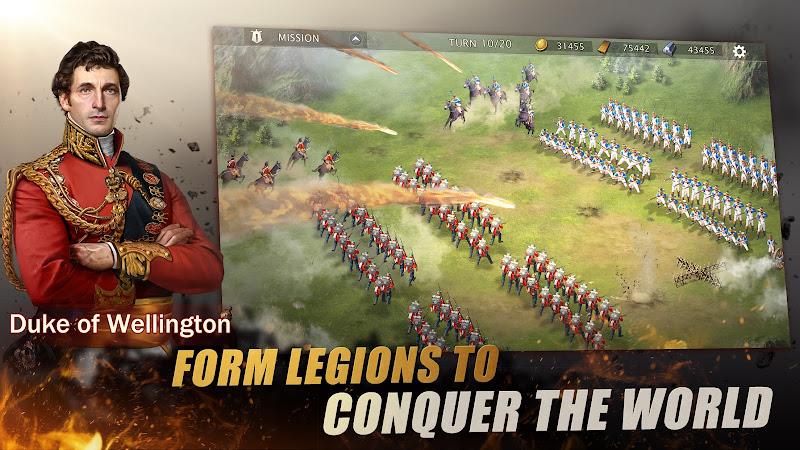
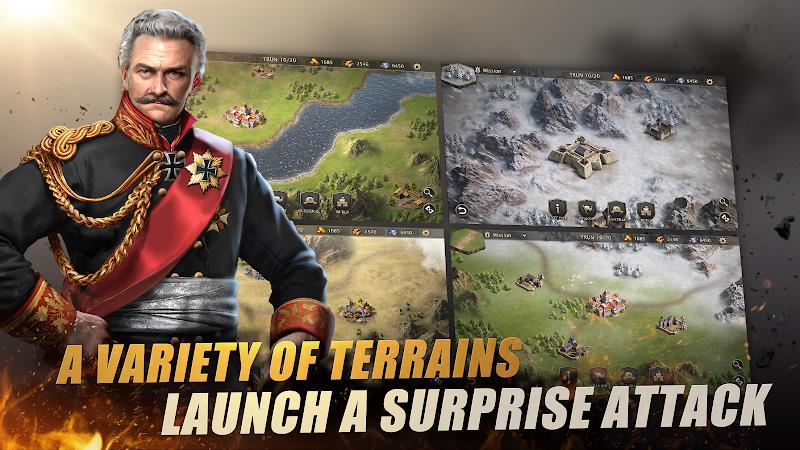
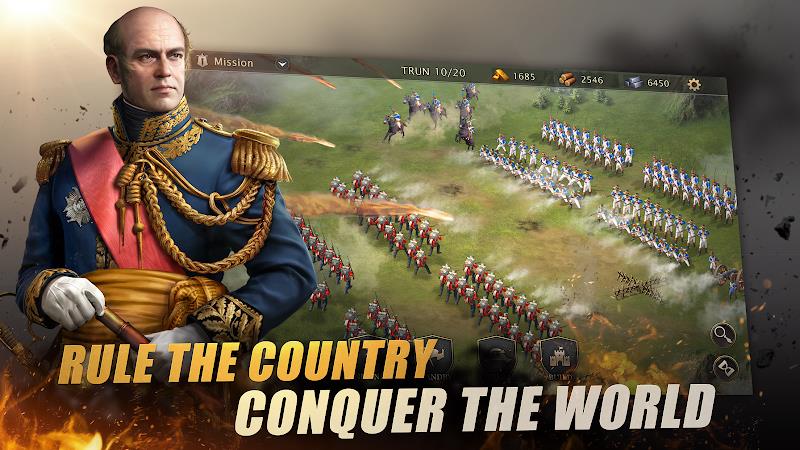
The core of Grand War 2 is a grid-style, turn-based battlefield where unit composition, terrain and command order determine outcomes rather than quick reflexes. Battles emphasize formation, flanking and supply lines: infantry, cavalry, and artillery each play distinct roles and combine in combined-arms tactics. Movement is affected by terrain—forests slow infantry, hills grant line-of-sight and defensive bonuses, and rivers create choke points—so study the map before committing forces. Combat resolution blends deterministic modifiers with probabilistic outcomes, encouraging players to weigh risk when ordering charges or holding defensive positions. Scenarios range from small engagements to large-scale clashes, and the AI adapts by prioritizing objectives, forcing players to consider both immediate skirmishes and longer-term maneuvering.
Controls in Grand War 2 are optimized for touch devices: tap to select units, drag to plot movement paths, and use context-sensitive buttons for special orders. The interface groups commands logically so formations, stance (defensive/advance), and targeting are accessible from one panel without excessive menu navigation. Tooltips explain unit strengths, morale, and supply status in plain language, and a tactical overlay can be toggled to display movement ranges, threat zones and terrain modifiers. These features make it possible to plan complex turns on small screens while keeping the battlefield readable on tablets and phones alike.
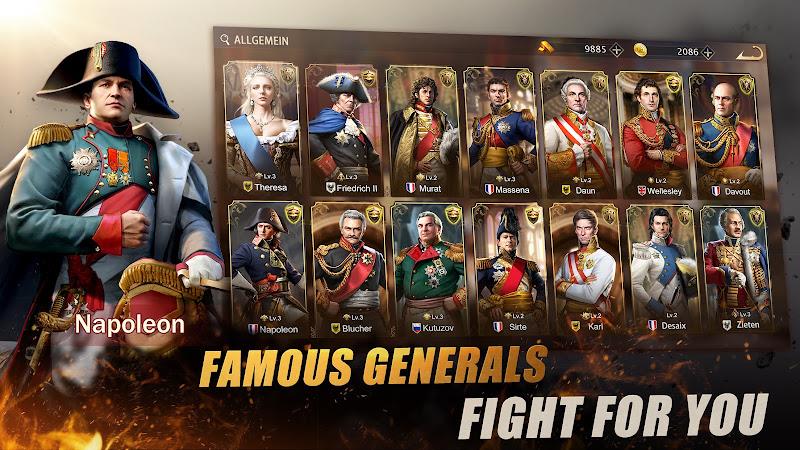
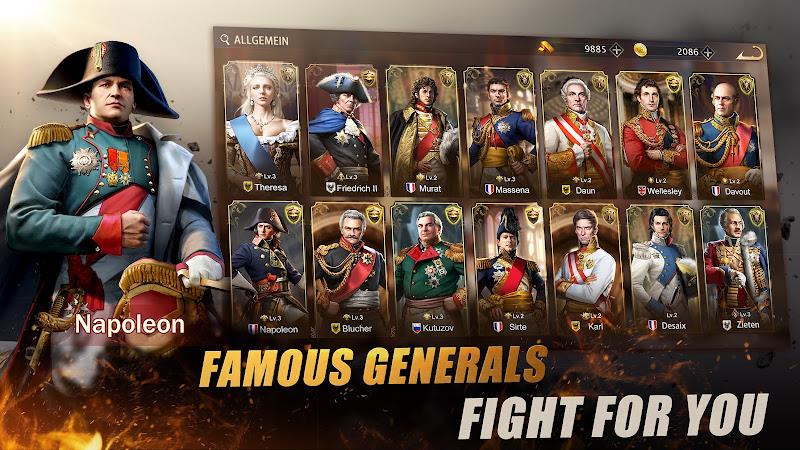
A campaign-anchored progression system develops both individual units and commanders through experience gained in battles. Commanders gain traits and skills that affect nearby troops, while veteran units unlock morale or formation bonuses. Customization focuses on army composition and commander loadouts rather than cosmetic purchases: decide which regiments to recruit, which equipment to prioritize, and how to invest limited resources in training or reinforcement. Save points between major battles allow for long-term strategic planning and gradual specialization of forces, rewarding players who invest in consistent development across campaigns.
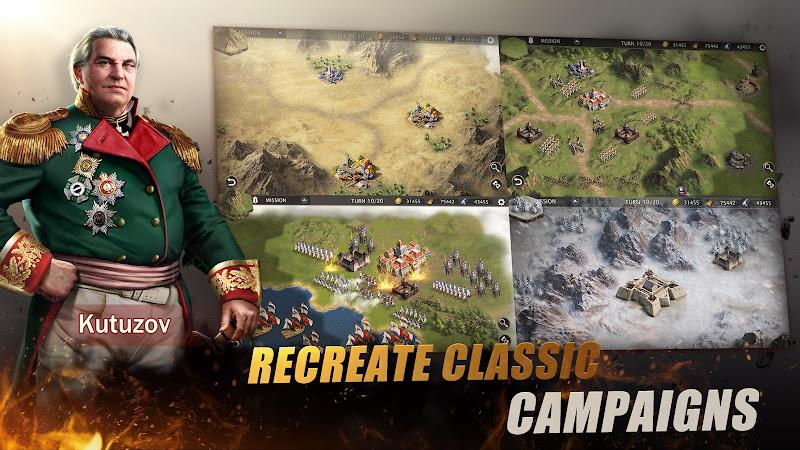
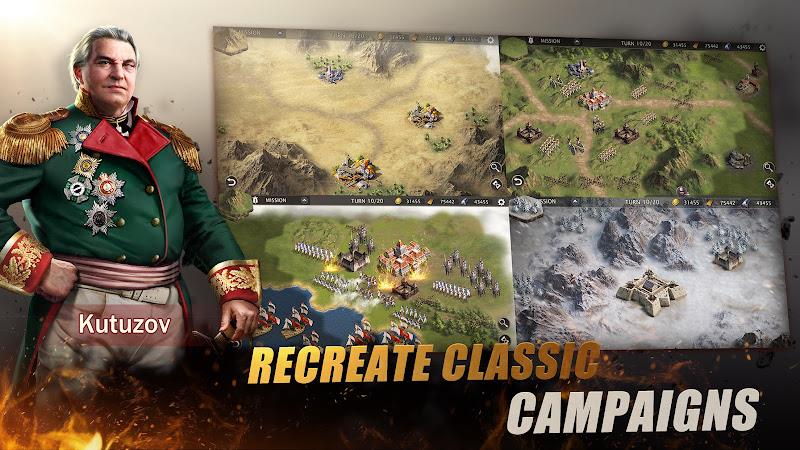
The game combines historically inspired portrait art and clean 3D battlefield maps that emphasize readability over photo-realism. Terrain is visually distinct so elevation, forest cover and water obstacles are easy to identify at a glance; unit models are scaled for clarity during large engagements. The audio complements the visuals with period-appropriate musical motifs, clear combat cues and voice-over narration for key campaign events. Visual and sound choices are designed to support tactical decision-making rather than distract from it.
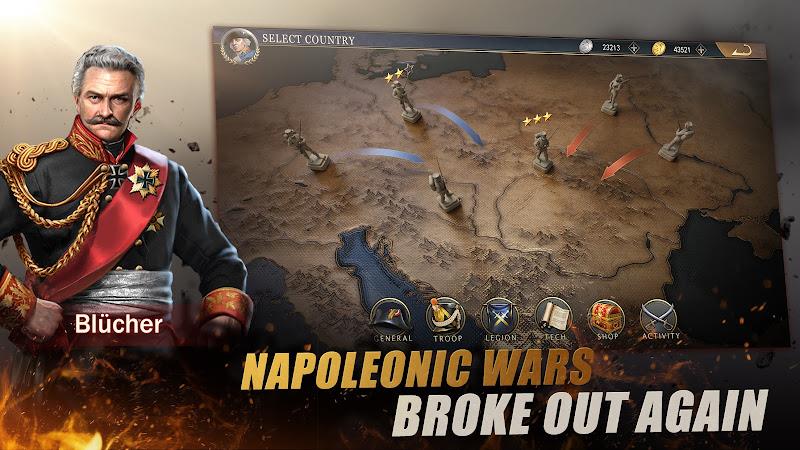
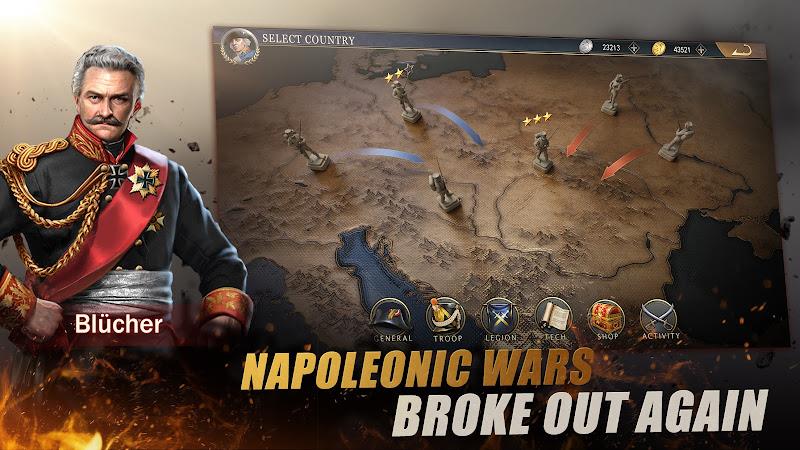
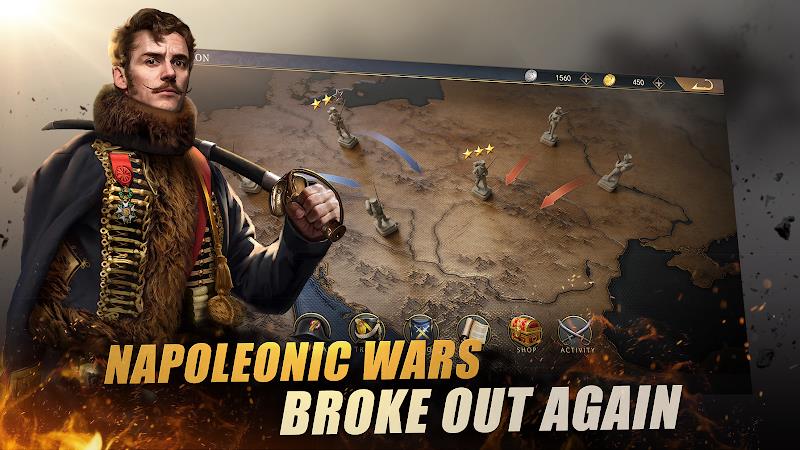
Campaigns are presented as a series of linked scenarios that recreate major Napoleonic campaigns and battles. Each chapter includes multiple scenarios with varying objectives—hold the line, capture an objective, escort a convoy—so players must adjust tactics rather than repeat a single play pattern. Scenarios often introduce new unit types or environmental conditions that test the skills learned earlier in the campaign, and optional side battles provide additional resources or unique commanders for determined players.
Replayability comes from adjustable difficulty, branching campaign choices and a scenario editor of sorts within the campaign structure that allows you to pursue different strategic paths. Difficulty settings change enemy behavior and reinforcement rates rather than simply increasing damage numbers, delivering a more meaningful challenge. Optional achievements and scenario modifiers create opportunities to replay battles with different constraints, rewarding experimentation and mastery of the mechanics.
The user experience emphasizes a short learning curve for basic actions with depth unlocked over dozens of hours. Accessibility options include adjustable text sizes, color-contrast settings for terrain overlays and simplified control bindings for players who prefer fewer on-screen options. Grand War 2 supports offline play for the single-player campaigns so you can enjoy scenarios without a constant internet connection; cloud archive support is included to transfer progress between devices when you reconnect, making it practical to play on the go and continue on another device later.
The studio behind Grand War 2 is experienced with history-focused strategy titles and continues to release updates that refine balance, add scenario content and improve stability. Patch notes typically document changes to unit stats, AI behavior and interface improvements, and community feedback has influenced subsequent updates. This ongoing support helps maintain a balanced experience and keeps long-term players engaged without introducing unsupported online features.
Grand War 2 offers a measured, historically themed strategy experience that rewards planning, adaptation and careful resource management. It is best suited to players who enjoy layered tactical puzzles rather than instant-action games, and those willing to invest time in learning unit interactions and terrain effects. For strategy fans interested in Napoleonic warfare, the game delivers deep scenarios, meaningful progression and a clear, device-friendly interface that supports both short sessions and longer campaigns.