World’s Crossing Academy
Version: 0.2.2.2
773.00MB
4.2
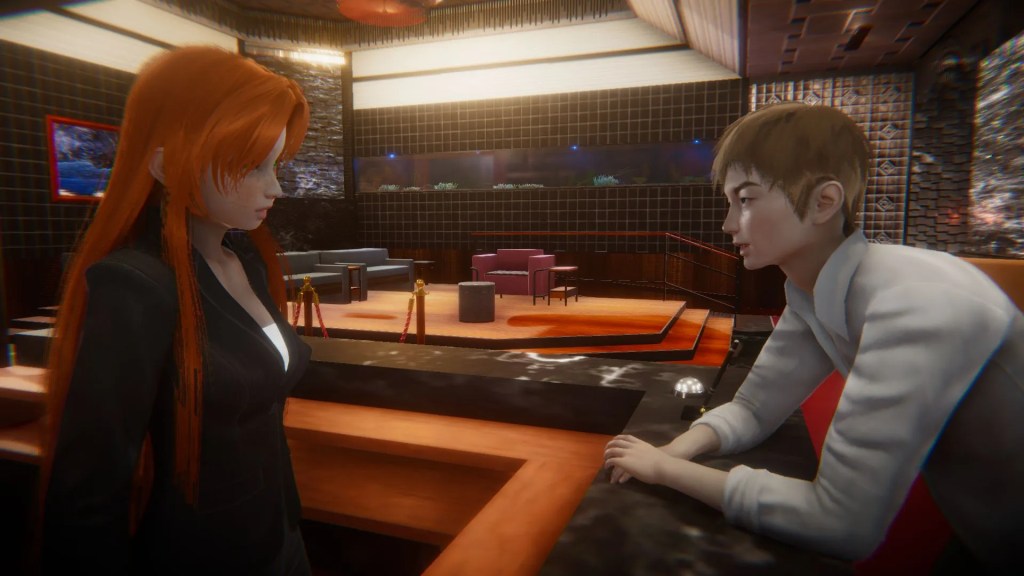
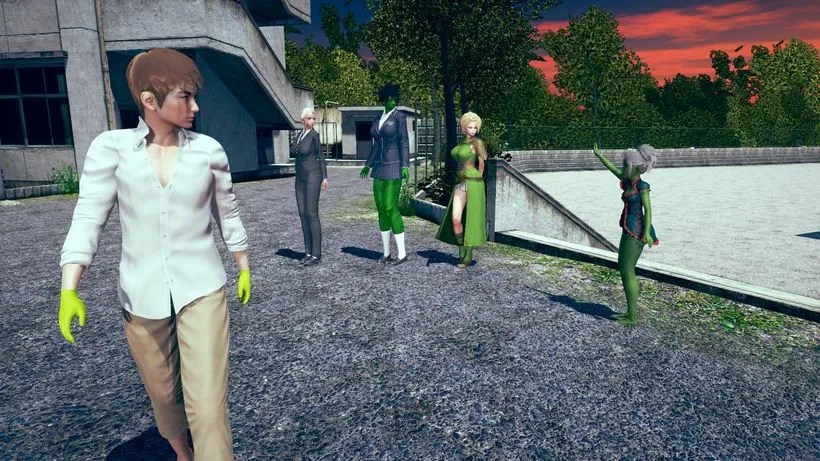

World’s Crossing Academy places you in a cross-dimensional school where goblin-engineered bridges link multiple worlds and species, offering a story-first single-player experience centered on cultural immersion, relationship-driven choices, and scene-based presentation. In World’s Crossing Academy you begin at a homeworld branch, progress to the Nexus Academy that sits between realms, and complete your training on a foreign world you select, with each stage designed to teach customs, social skills, and practical disciplines relevant to that setting. The title includes mature themes and suggestive scenes intended for adult audiences; all such content is presented within the narrative context rather than as explicit descriptions.
World’s Crossing Academy organizes gameplay into distinct campus chapters that combine guided lessons, choice-driven story beats, and optional assignments. Each campus functions as a level cluster: classroom sequences present timed or decision-based challenges, campus exploration unlocks side encounters and cultural dossiers, and field assignments test what you learned in simulated social or situational puzzles. The structure encourages both a focused main path—progressing from homeworld to Nexus and onward—and optional detours that deepen relationships and worldbuilding.
Gameplay centers on narrative choices, skill checks, and light interactive scenes rather than fast-paced action. Controls are tailored for touch devices: tap to advance dialogue, swipe or drag for select interactive moments, and use contextual menus for inventory, journal entries, and relationship options. Examinations and practical exercises often use a mix of multiple-choice decisions and short minigames that emphasize timing or pattern recognition; these are intentionally approachable and can be adjusted for difficulty. A clear HUD and contextual prompts keep interactions intuitive while allowing players to focus on story and character development.
Progression in World’s Crossing Academy is driven by a combination of narrative rank, skill proficiencies, and social reputation. Completing coursework and field tasks increases your proficiency in cultural skills (such as etiquette, trade customs, or diplomacy) that unlock new dialogue branches and gameplay options on later worlds. Character customization covers appearance, clothing, and signature items that carry small mechanical effects in social checks. Replay value comes from branching outcomes tied to your cultural alignments and relationship choices; selecting a different foreign world or prioritizing different skill sets produces fresh story routes and alternative endings.
The game pairs story-led progression with high-resolution stills and looping video scenes to heighten cinematic moments and emotional beats. Character work emphasizes advanced textures, lifelike skin tones, expressive eyes, and synchronized animations to support believable interactions without relying solely on text. Scene composition and lighting vary across campuses to reflect cultural differences—warm, tactile palettes for artisan worlds, colder, more angular visuals for industrial settings—helping players quickly read atmosphere and social expectations.
Challenge systems are optional and scalable: a standard mode focuses on narrative with light checks, while higher challenge modes increase timing windows and the complexity of social puzzles for players seeking mechanical depth. Accessibility options include adjustable text size, subtitle toggles, dialogue auto-advance, and simplified input for minigames. A well-organized journal tracks objectives, cultural notes, and relationship statuses so players can revisit important information without interrupting immersion. The interface aims for clarity and minimal clutter, prioritizing readable fonts and consistent iconography.
The game is designed for single-player, primarily offline play once installed, with occasional optional updates or content patches delivered through the platform’s standard update mechanism. Performance settings let you balance battery use and visual quality on a range of devices; lower-resolution assets can be selected to reduce storage and memory demands without changing core content. Save slots and a robust checkpoint system allow players to experiment with different choices and return to earlier branches easily.
World’s Crossing Academy contains mature themes and suggestive visual content intended for adult players; descriptions avoid explicit detail and the game provides in-app warnings where appropriate. Season 2 – v0.2.2.2 is a stability and polish update following the Season 2 rollout, addressing minor bugs, improving animation sync in key scenes, and refining accessibility controls based on player feedback. Review the in-app patch notes for a full list of technical adjustments and content clarifications.