
Furry Chronicles: The Beginning
Version: 0.8322
356.60MB
4.2

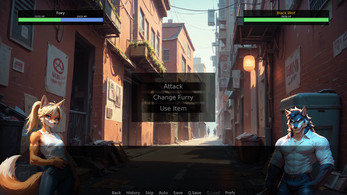
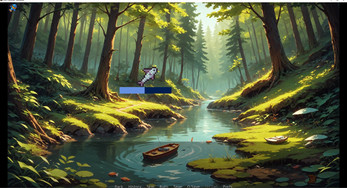
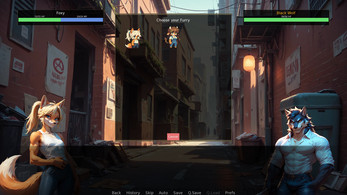
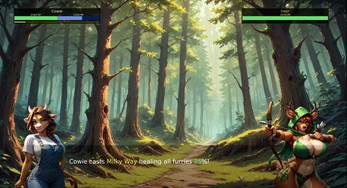
Furry Chronicles: The Beginning is a hybrid visual novel and squad-based RPG that asks players to recruit and shape a quirky cast of anthropomorphic companions as they explore strange magical zones and build a personalized playstyle. The game balances narrative-driven scenes with turn-based encounters, crafting and base management so players who enjoy character-driven plots and strategic party composition can progress at their preferred pace.
The game lets you recruit a diverse roster of anthropomorphic allies, each with clearly written personalities and role definitions for combat and support. Characters begin on one of four distinct growth paths that alter core statistics and unlock specialized abilities; these paths are designed to emphasize different tactical choices such as durable frontline roles, endurance-focused defenders, strength-oriented damage dealers, and alternate physiology options that change interaction with certain systems. Equipment and armor are modular: pieces modify stats, provide passive bonuses and can grant active abilities that change how a character behaves in battle. Non-combat trades such as fishing, cooking, construction and blacksmithing contribute meaningful resource loops rather than becoming time sinks, opening new dialogue branches and side quests tied to companion stories.
Gameplay interleaves visual-novel style storytelling with turn-based, squad-focused combat. The interface is optimized for touch devices: tap to select characters and nodes, choose actions from contextual menus, and drag-and-drop equipment for quick inventory swaps. Tooltips and in-battle prompts appear as mechanics become relevant, explaining status effects, ability ranges and combo interactions so new players can learn without reading long manuals while experienced players can dive into tactical depth. Map navigation is node-based and designed so short sessions remain satisfying, with clear indicators for optional encounters and story hubs.
Progression ties narrative choices, companion bonds and crafting into meaningful upgrades. Deepening bonds unlocks new dialogue, passive bonuses and unique companion skills that influence both story branches and tactical options. Growth paths are flexible: they change core stats and open unique ability trees that can be combined with gear and recipes to create roles such as sturdy defenders, versatile supporters or focused damage dealers. Crafting systems let players improve or reforge equipment, and base customization offers practical benefits like production bonuses and reduced crafting times that shape long-term strategy rather than forcing repetitive grinding.
The visual presentation favors a stylized, colorful approach to anthropomorphic characters and environments, with expressive character portraits during narrative exchanges and more detailed map art for exploration. Current builds include some temporary placeholder art while the team commissions professional pieces; these interim assets are clearly marked and will be replaced as resources allow. Art direction focuses on readable expressions, distinct combat feedback and clear visual cues for conditions and ability areas of effect so players can make informed tactical decisions at a glance.
Zones are organized around short narrative hubs connected to encounter nodes and optional side activities, encouraging replay of areas to pursue crafting materials, trade opportunities or emergent quests that appear after specific story beats. Exploration rewards curiosity: side scenes deepen companion backstories and can unlock secondary skills, while themed challenges provide new recipes and unique equipment. Each biome introduces environmental mechanics that require adapting party composition and growth choices, creating meaningful variety without adding unreachable difficulty spikes.
Replayability comes from mixing growth paths, equipment builds and narrative choices to discover new companion interactions and quest outcomes. Challenge is driven by encounter design, resource scarcity in certain zones and layered objectives that reward tactics over repetitive actions. Difficulty settings and encounter variety let players tune the experience, and planned expansions aim to add new enemies, abilities and systems that deepen strategy while preserving the single-player focus of the experience.
The user interface emphasizes readability and ease of use with scalable UI elements, clear fonts and uncluttered menus so players can track skills, equipment and progression across devices. Subtitles accompany all voiced or cinematic scenes where present and adjustable text size and contrast options are available to support a wide range of players. The game is designed primarily for offline single-player play so sessions can be enjoyed without a constant network connection; periodic updates and optional content downloads will require internet access but core play remains available offline.
The small development team behind Furry Chronicles: The Beginning is iterating on content based on community feedback while commissioning new art and systems. Future updates plan to expand the main storyline, introduce additional zones and quests, add more combat abilities and enemy types, and deepen non-combat mechanics such as crafting and base upgrades. The roadmap prioritizes replacing temporary assets, improving narrative depth and broadening tactical options without shifting away from the single-player design.
If you enjoy character-driven stories combined with tactical squad play, Furry Chronicles: The Beginning offers a steady, evolving single-player experience that rewards exploration, careful resource management and thoughtful party building. The current build balances approachable controls with layered systems to learn over multiple playthroughs and will continue expanding through community-driven updates.