The Walking Dead: All-Stars
Version: 1.11.5
1.04MB
4
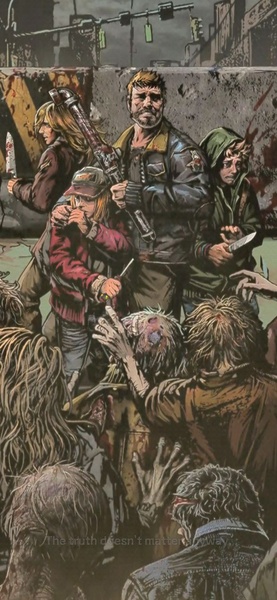
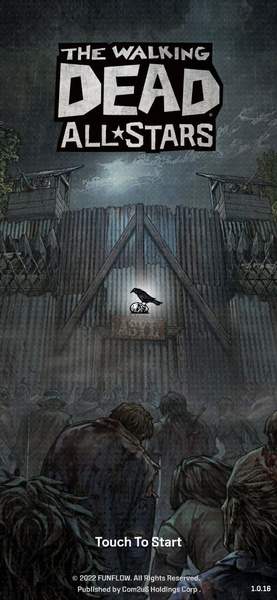
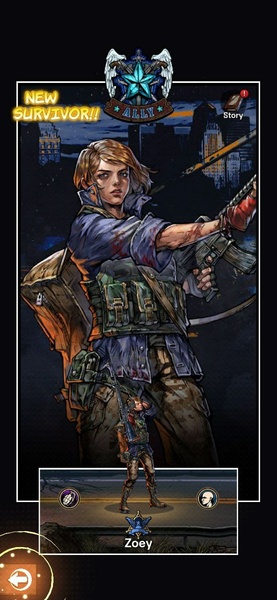
The Walking Dead: All-Stars is a tactical RPG that places you in charge of a rotating squad of survivors as they confront escalating waves of the undead. In this single-player experience The Walking Dead: All-Stars blends comic-book inspired 2D visuals with squad-based strategy: before each encounter you arrange your team, choose positions that leverage each hero’s strengths, and plan synergies so abilities chain together during combat. The game supports an approachable pace with an automatic combat option for casual play and a manual mode that lets you tap hero cards to trigger skills and micro-manage fights for greater control and reward.
Encounters are structured around short tactical skirmishes where positioning determines much of the outcome. Characters occupy formation slots with front- and back-line roles, and their relative placement affects who is targeted and which combos become available. Combat itself plays out card-by-card: passive stats, active skills, cooldowns, and timed activations all matter. Players can deploy a mix of close-range fighters, ranged support, and utility heroes to create balanced teams that can adapt to different zombie types and environmental modifiers. The tactical layer emphasizes forethought—choosing the right lineup and anticipating enemy behavior will often beat brute force.
The Walking Dead: All-Stars uses straightforward touch controls. A pre-battle formation screen allows drag-and-drop placement and quick inspection of each hero’s abilities. During manual battles you tap hero cards to activate skills and watch cooldown meters; a pause or slow-motion feature helps with precise timing when planning combos. The UI highlights suggested synergies for newcomers, and a progressive tutorial introduces mechanics gradually so players can learn core systems without feeling overwhelmed. Automatic combat remains available for those who prefer a more relaxed progression pace or want to test a formation quickly.
Progression centers on developing individual survivors and expanding your roster. Heroes gain experience from missions and can unlock or improve skills, which lets you tailor playstyles to favor aggressive bursts, defensive sustain, or utility support. Equipment or upgrade resources enhance stats and unlock new potential; these systems reward repeated play and informed team building. The game encourages experimentation by offering clearly visible upgrade paths, so you can plan long-term choices rather than making random upgrades.
The visual approach leans into a 2D, comic-book style that emphasizes clear silhouettes and readable animations in combat, making it easy to track action even on smaller screens. Levels are organized into progressive chapters that present themed mission sequences and increasing difficulty. Within each chapter you’ll encounter variant zombie types and map modifiers that shift how you approach formations—some encounters favor wide coverage, others demand concentrated bursts of damage. This chapter-based structure helps maintain narrative momentum while keeping the tactical variety fresh.
Replayability comes from both team experimentation and layered challenge modes. Encounters scale in difficulty and introduce modifiers that encourage different builds, while optional challenge runs restrict certain hero types or impose special rules for higher rewards. Because victory often depends on pre-battle choices and team synergy, players will revisit earlier missions to test new lineups, optimize skill timings, or farm upgrade materials. The balance between automatic and manual combat also provides two distinct play experiences, appealing to both casual players and strategy-focused users.
The game includes adjustable difficulty settings and onboarding aids to make its systems accessible. Tooltips explain key mechanics, and recommended formations are shown for early stages to help new players get started. The mix of auto-combat and manual control serves as an accessibility feature—players who prefer less intense control can still enjoy progression, while those seeking depth can take manual control at any time. Visual clarity and readable combat text were prioritized to ensure an approachable experience across devices.
The Walking Dead: All-Stars is presented as a primarily single-player, on-device tactical RPG experience. Many features—team management, progression planning, and most combat encounters—are centered around solo play and can be enjoyed in short sessions. Load times and device performance vary by hardware, but the 2D presentation is designed to be efficient while maintaining identity and readability.
This title is well suited for players who enjoy planning and adapting squads, fans of tactical RPGs who like position-based mechanics, and followers of the franchise drawn to its comic-style aesthetic. Whether you prefer hands-off progression or the satisfaction of manually timing abilities to create perfect combos, The Walking Dead: All-Stars offers a clear, tactical single-player experience with room for experimentation and long-term development.