
Lost in You
Version: 0.7.2
546.50MB
4.3
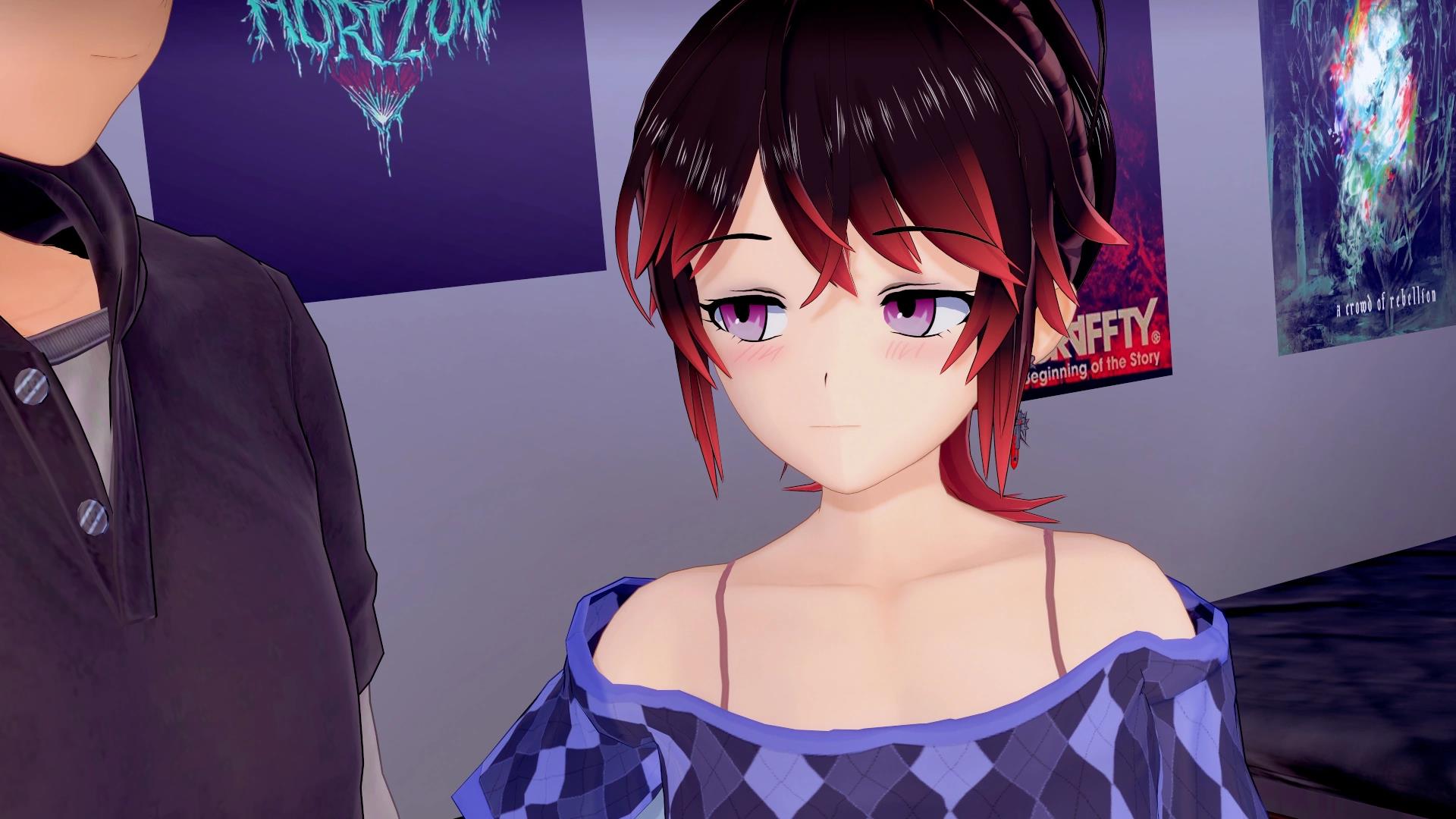


Lost in You places you in the life of an 18-year-old senior high school student trying to move forward after a painful breakup, and Lost in You unfolds across the fictional Japanese city of Jakuofo where conversation, exploration and player choices shape relationships and reveal personal stories. The game is a slow-burn, story-first experience that emphasizes mood, character development and the small, unsettling surprises that change how you see both the city and the people who live there. As an editor's introduction to the title, this description highlights the gameplay systems, controls, progression and player options so you know what to expect before you download Lost in You.
The core gameplay is dialogue-driven and exploration-focused: you move through neighborhoods, enter key locations and initiate conversations that branch based on your responses. Controls are intentionally simple and mobile-friendly, relying mostly on taps to advance dialogue, select responses, and interact with objects or people on the map. Menus use straightforward touch navigation with contextual prompts, and the pacing favors reading and decision-making rather than fast reflexes. The interface supports quick saves and an auto-save system that records decisions at important story beats, making it easy to return to the experience at your own pace.
Progression in the narrative comes from building relationships, uncovering backstory, and triggering new scenes as you make choices. Conversations operate like a web rather than a single line: repeated interactions with characters deepen trust or distance, and certain dialogue options unlock follow-up scenes or private revelations. These mechanics create a sense of long-term growth, where your social path influences which parts of Jakuofo become available and which personal truths come to light. Multiple endings and mid-story divergences encourage replay, since different choices reveal different character arcs and resolutions.
The visual approach supports the moody tone of the writing: environments emphasize atmosphere through lighting, color palettes and background details that suggest a lived-in city with hidden corners. Level structure is organized around districts and recurring locations that act as narrative hubs; you revisit many spots as the story unfolds and notice new details that were previously invisible. Scenes are arranged to balance everyday social moments with darker, more mysterious undertones, so exploration both advances the plot and rewards players who pay attention to setting and dialogue cues.
Character development is central, with a cast who gradually reveal layers of personality and history. While the game does not focus on mechanical customization like equipment or upgrades, it does let you shape the protagonist’s voice through choices and tone. Your responses affect how characters remember you, and subtle shifts in dialogue can open alternate pathways. This form of personalization ensures that player decisions feel meaningful without relying on numerical stats or inventory systems.
Replayability stems from branching scenarios, relationship dynamics and the discovery of hidden or delayed scenes. The challenge is narrative and emotional rather than skill-based: you will face moral dilemmas, ambiguous motives and situations designed to unsettle or provoke reflection. These challenges are meant to prompt careful reading and reconsideration of earlier choices, rewarding players who explore different conversational approaches on subsequent playthroughs.
The user experience prioritizes readability and comfort. Settings include adjustable text size and interface scaling to accommodate different screen sizes and visual preferences, and dialogue can be advanced automatically or manually for readers who prefer a slower pace. The game is primarily designed to be played offline once installed, so you can experience the story without a persistent internet connection. Controls and menus emphasize clarity, and the save system reduces frustration by allowing you to revisit important decision points.
This is a narrative-first title that asks you to engage with characters and atmosphere more than with action mechanics. Expect intimate conversations, gradual revelations, and an evocative city that changes meaning as you learn more. Lost in You is suited to players who enjoy slow-burn storytelling, branching relationships and a thoughtful, often unsettling mood. If you appreciate games that prioritize character study and emotional complexity, this title offers a compact but rich experience that invites multiple playthroughs to uncover its full range of outcomes.