Last Garden: Survival
Version: 3.17.0
883.80MB
4.1
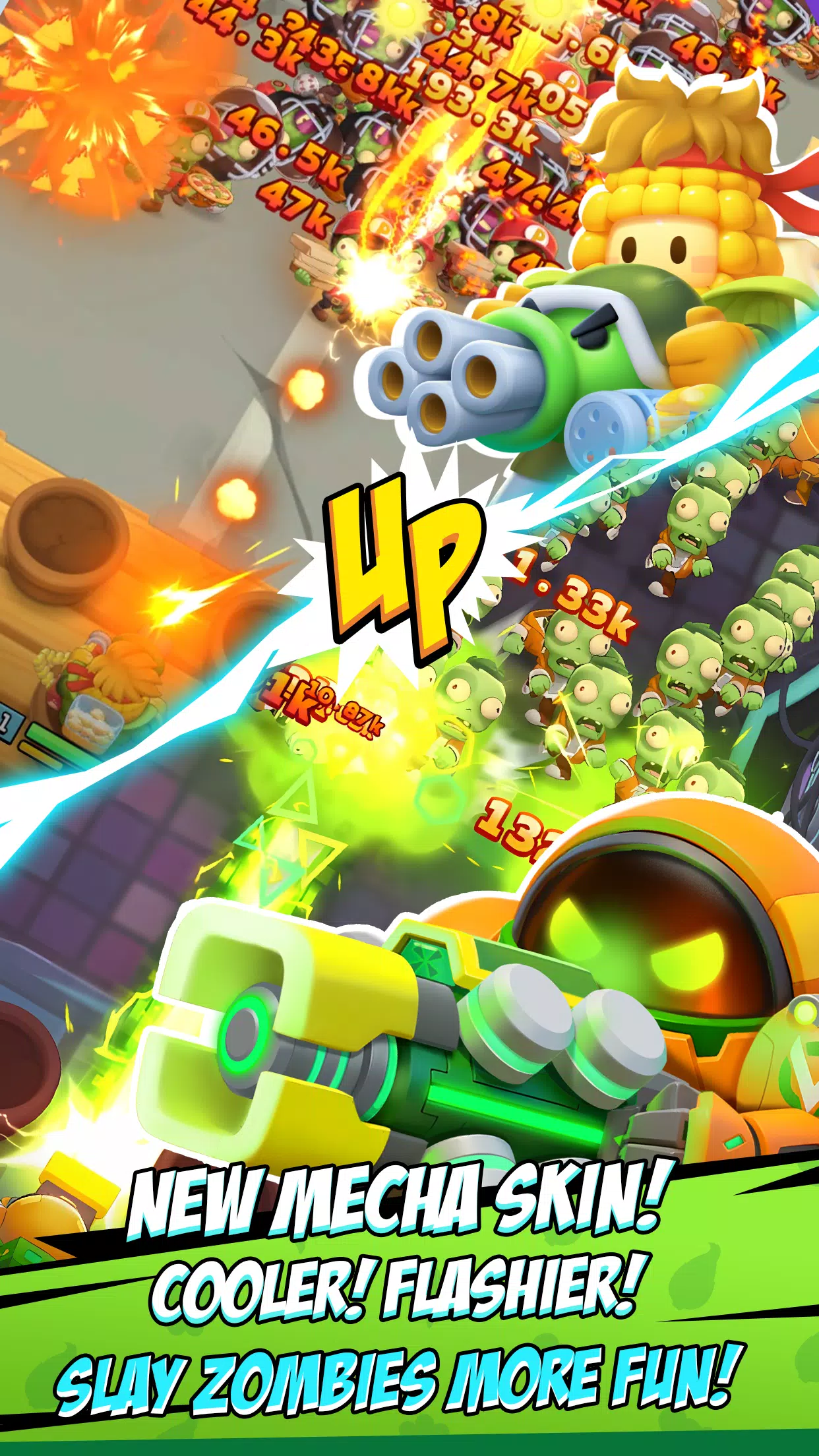

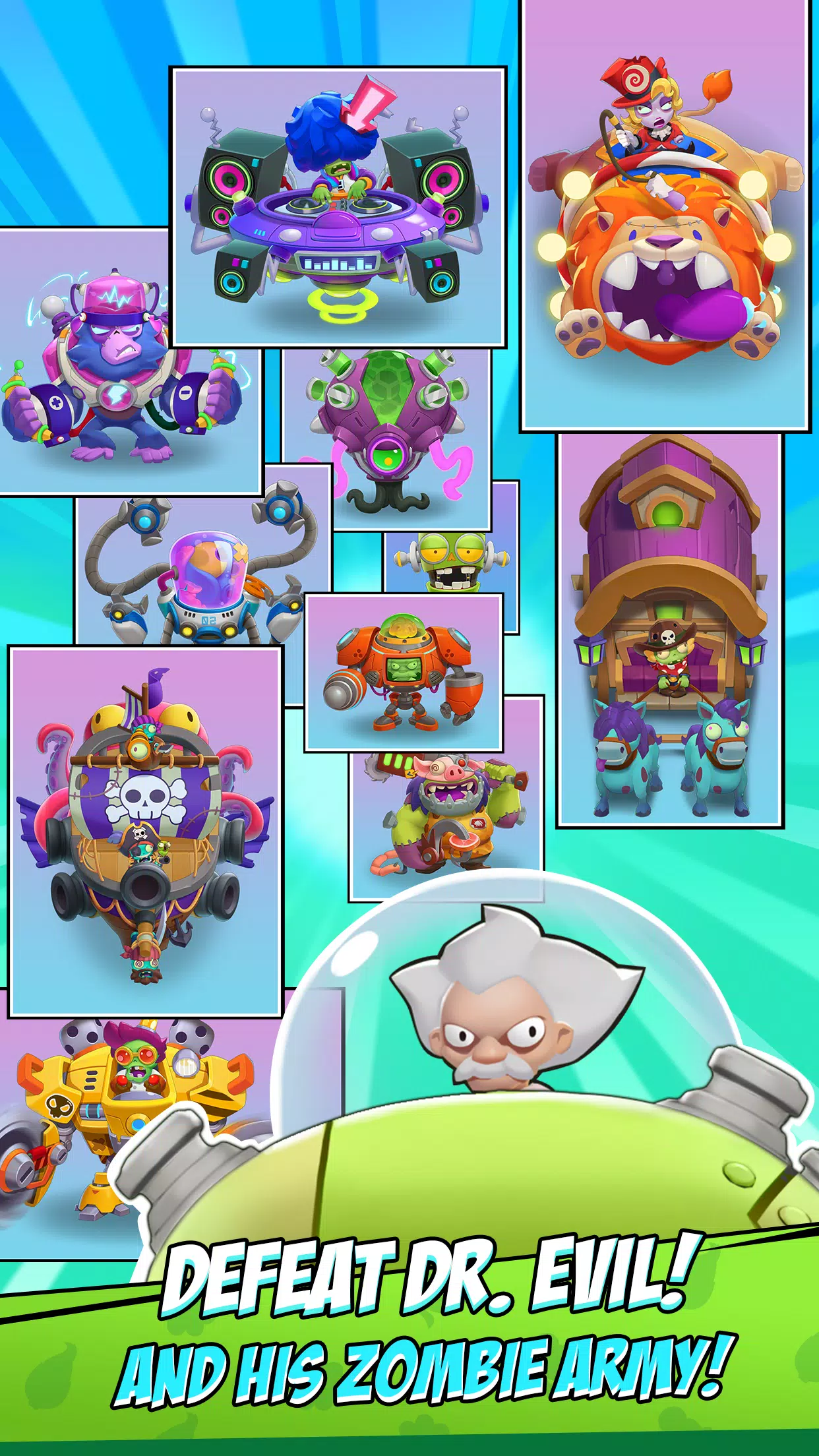
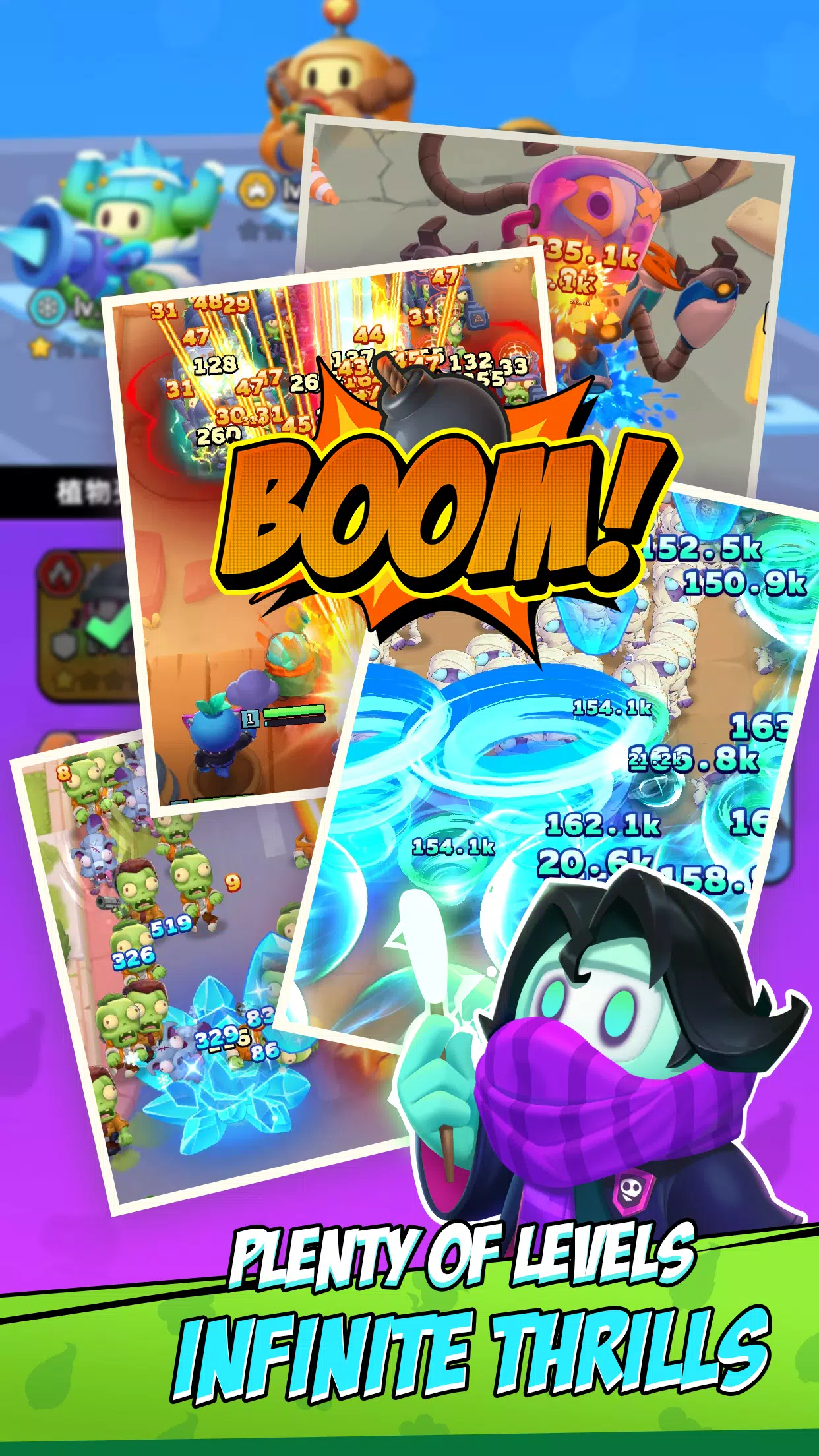
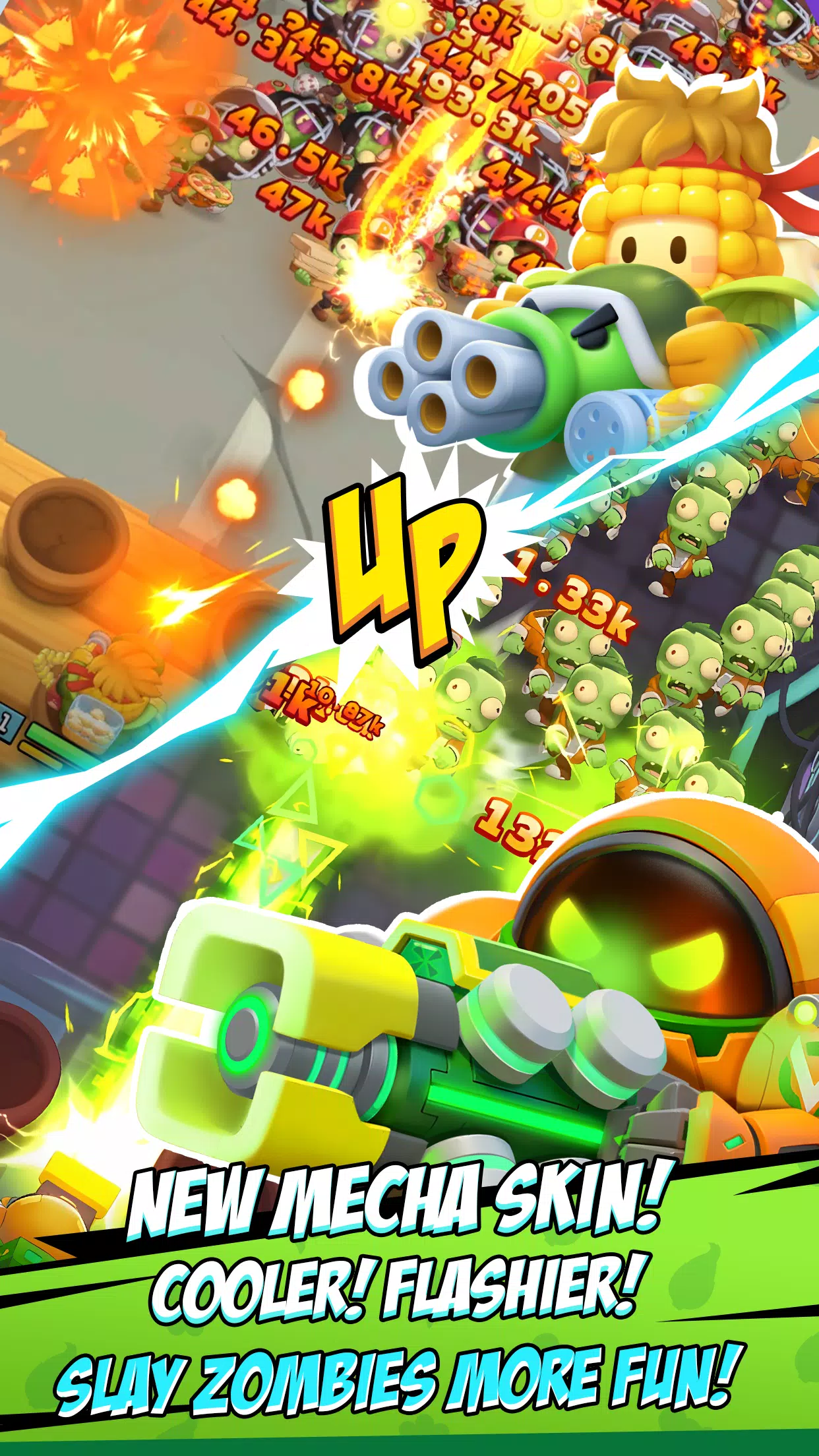

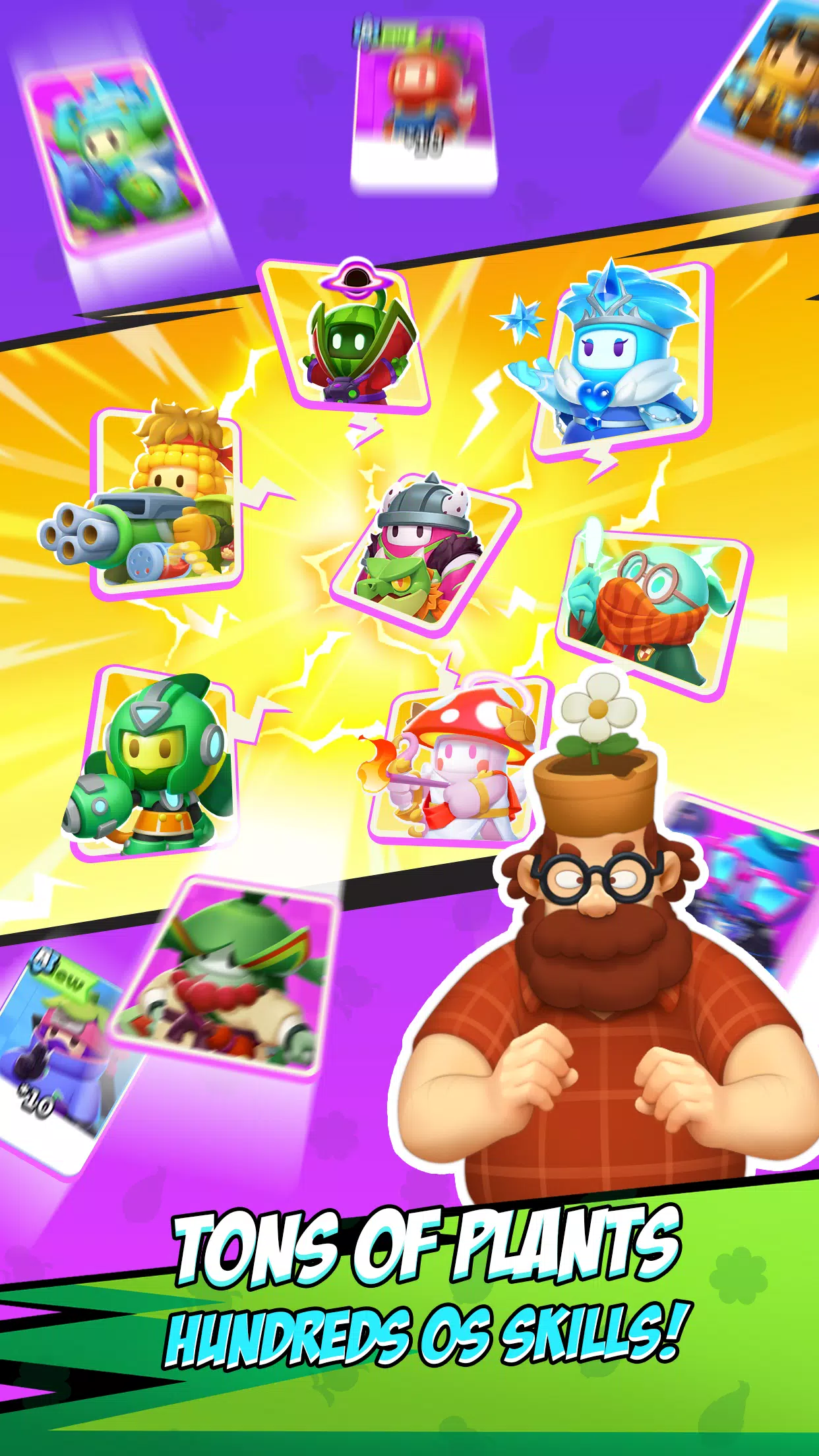
Last Garden: Survival drops players into a collapsing Earth where small pockets of green are all that remain and your decisions determine whether life endures. In this tactical base‑defense experience you cultivate genetically enhanced plant units, fortify decaying garden hubs, and respond to escalating waves of radioactive mutants. The setting blends quiet, atmospheric storytelling with clear, mechanical challenges: resource tradeoffs, placement choices, and modular progression that reward experimentation rather than reflexes alone.
The core loop in Last Garden: Survival centers on planting, positioning and evolving phytogenetic defenders to create layered defenses. Each plant unit contributes a distinct role — some slow or debuff enemies, others deal area damage or provide passive buffs to nearby allies — and the interaction between those roles is crucial. Between waves you manage limited resources to root new units, strengthen existing specimens, repair garden structures and alter terrain where possible. Encounters are designed around meaningful tradeoffs so that every placement and evolution matters: a single misallocated resource can change how a wave unfolds.
Controls emphasize clarity and accessibility for touchscreens. Plant and upgrade actions are performed with simple taps; drag gestures let you reposition certain deployable elements during preparation phases, and pinch-to-zoom helps you scan larger gardens. The user interface prioritizes readable information: unit health, active abilities, cooldowns and resource counters are visible without clutter. Tooltips and a concise help overlay explain unit interactions and evolution recipes so new players can learn without needing lengthy tutorials.
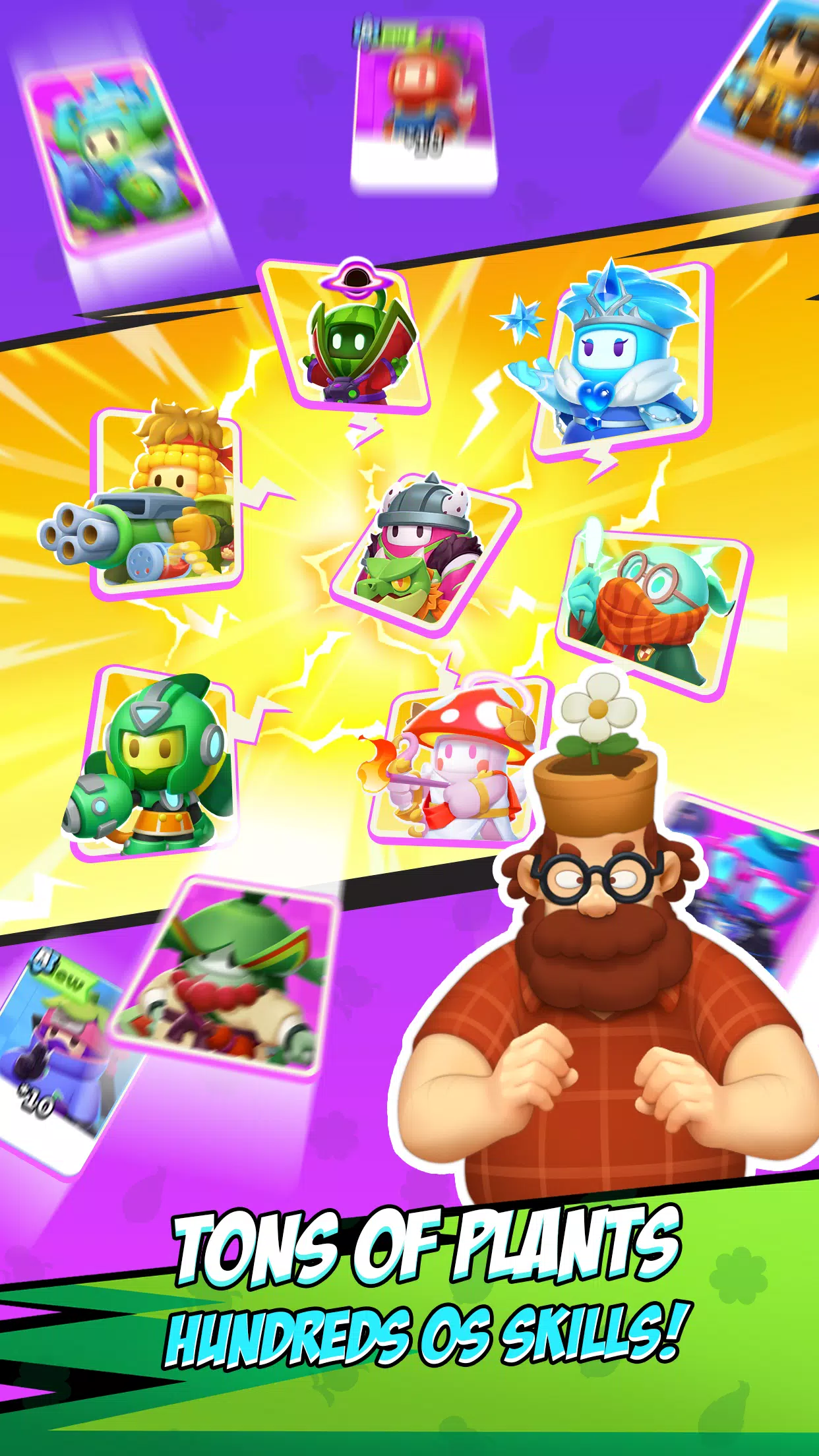
Progression in Last Garden: Survival is paced through a combination of short-term upgrades and longer-term evolution. As you complete stages you unlock new plant species, genetic mutations and passive traits that can be applied across runs. Evolving defenders combines existing units to create hybrid forms with enhanced abilities; these evolutions require both rare resources and strategic timing, encouraging players to plan which specimens to preserve and which to sacrifice. The upgrade system is predictable enough to be planned around but deep enough to support varied strategies.
Levels are structured as distinct gardens or hubs, each with their own environment, layout constraints and enemy archetypes. Early gardens serve as focused teaching encounters, while later hubs layer hazards like radiation drift, limited planting zones and mixed enemy types to test your choices. The game uses wave-based pacing with intermittent special encounters that change the rhythm — for example, prolonged swarms or elite mutants that force you to adapt. Difficulty ramps through modifiers on enemy behavior and density rather than arbitrary stat increases, which keeps later challenges tactical rather than purely time-consuming.
Visual design leans toward a muted, post‑apocalyptic palette punctuated by the bright, unnatural colors of engineered flora. Gardens evolve visually as you invest in them: roots thicken, bio-armor forms and energy pulses appear when units are upgraded. Customization focuses on functional choices rather than cosmetic vanity; you choose which genetic traits to emphasize and which physical upgrades to install on garden hubs. Those choices change not only performance but also how the battlefield looks and feels.
Replayability comes from variable garden layouts, a roster of plant archetypes and branching evolution paths that encourage experimentation. Runs are relatively compact, making it easy to try new approaches without a large time commitment, and the game surfaces metrics so you can learn from past failures. The pacing favors deliberate decision-making; if you prefer faster, action-oriented play, options allow higher-speed wave progression to shorten encounters while preserving core tactical depth.
The game includes adjustable difficulty settings and readable UI options to support different player preferences. Controls are optimized for one-handed play on phones, while tablet layouts scale for larger screens. Last Garden: Survival is fully playable offline after initial installation, so you can manage gardens and tackle levels without a persistent network connection. Subtle accessibility touches, such as scalable text and color contrast settings, make the tactical information easier to parse for more players.
Last Garden: Survival offers a focused, thoughtful take on base defense where growth and placement are as important as power. By combining clear controls, layered progression and an evocative visual identity, the title rewards slow, tactical play and repeated experimentation across diverse garden hubs.