Cellblock
Version: 1.0
197.53MB
4.3
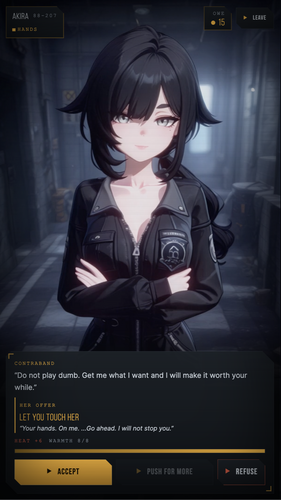
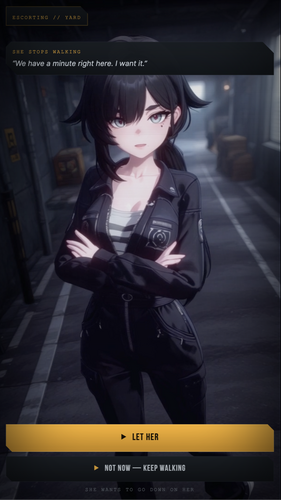
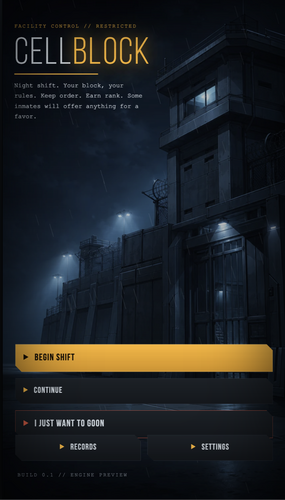
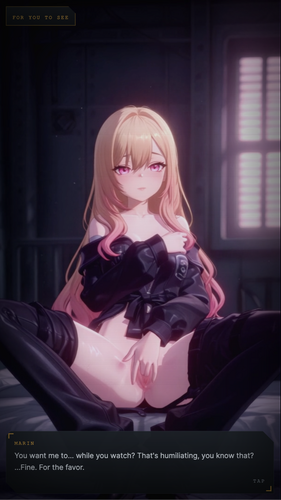
Cellblock is a tactical prison warden management and corruption simulation that puts you on the night shift at a women's facility where routine duties and off-the-record opportunities collide. Cellblock places you in the shoes of a Night Guard responsible for patrols, intake processing and quiet decisions that influence staff morale, inmate placement and your own career trajectory. The description below outlines gameplay systems, controls, progression and the design choices that make the title a deliberate, slow-burn experience.
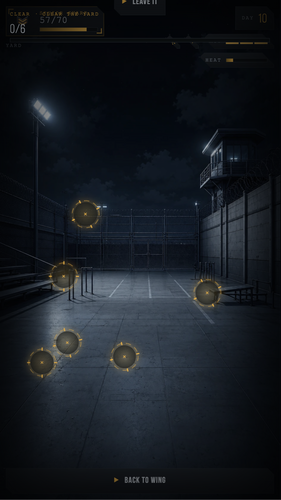
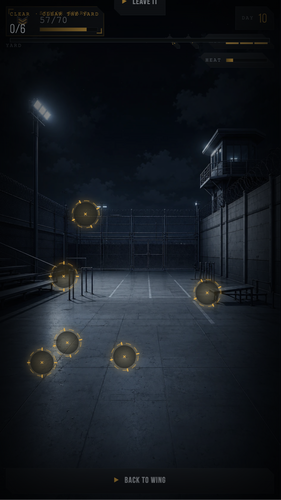
Gameplay centers on two linked responsibilities: daily operational tasks and opportunistic moral choices. During each shift you walk the block, perform sweeps, review intake files, and conduct short interrogations where reading files carefully and spotting inconsistencies can earn leverage. The intake interrogation is presented as a concise, paper-style desk interaction: you compare statements, detect discrepancies, and decide when to press for more information or let matters slide. Patrols require route choices and timing that affect who you encounter and which incidents escalate. The game's pacing rewards observation and deliberate planning rather than fast reflexes.
Cellblock was designed for comfortable one-handed play on mobile devices, with streamlined touch controls that prioritize selection, swiping and timed choices rather than complex multi-tap gestures. Menus and interactions are sized for accessibility, and the interface supports adjustable text size for readability. Cloud saves let you move progress between devices when available, and the game also supports offline play for core shifts so you can continue managing a night even when disconnected; cloud synchronization occurs when an internet connection is detected to keep cross-device progress intact.
Progression is narrative-driven and tied to a civic-style economy of favors and obligations rather than a simple coin currency. Requests, debts and small favors form a web of consequences that can help you climb from Night Guard to Warden if managed carefully. A Warden heat system tracks exposure: bending rules too visibly increases scrutiny, while prudent cover-ups and timing can keep you safe. Challenge comes from balancing short-term gains against long-term risk, deciding which staff to protect, whom to transfer, and how to spend limited leverage without attracting unwanted attention.
Visuals lean toward a moody, low-light aesthetic appropriate to night shifts, with focused scenes that emphasize character expressions and file details rather than elaborate environments. Level structure is organized around discrete night shifts that compound consequences: choices made in one shift influence who appears in later shifts and which narrative threads open. Customization options are modest and focused on practical choices—route preferences, pacing settings, and a selection of in-game names and profile options—keeping the UI lean and the narrative central.
Replay value comes from branching choices, an unlockable gallery that records scenes and narrative beats, and the ability to pursue different career paths within the same campaign. Multiple playthroughs allow you to explore alternate approaches: strict rule-following, strategic compromise, or a gradual climb through exploiting favors. A free build covers early tiers up through the Hands tier, while additional narrative branches and explicit tiers are available in the creator's paid release path; the gallery preserves many unlocked scenes for repeat viewing and reflection.
The game includes mature themes and is intended for players 18 and older; descriptions in-game treat those themes neutrally without explicit sexual content. Current content scope is focused and character-driven: at launch the named cast is small and the story is concentrated on a limited set of inmates and staff, with further characters planned in ongoing updates. Some narrative branches and higher-tier scenes are part of the paid full release, so free play provides a contained experience that demonstrates core mechanics and story direction.
Cellblock is developed by indie studio Pocket Desires, a small team that engages directly with its community through sneak peeks, voting on future characters, and responsive bug reports. The developer follows a content drop schedule that adds new characters and scenes over time and maintains communication about planned updates. Players interested in a measured narrative experience with strategic personnel management will find steady support and incremental content expansions as the title evolves.