Pantheland
Version: 1.0.15
55.80MB
4.3
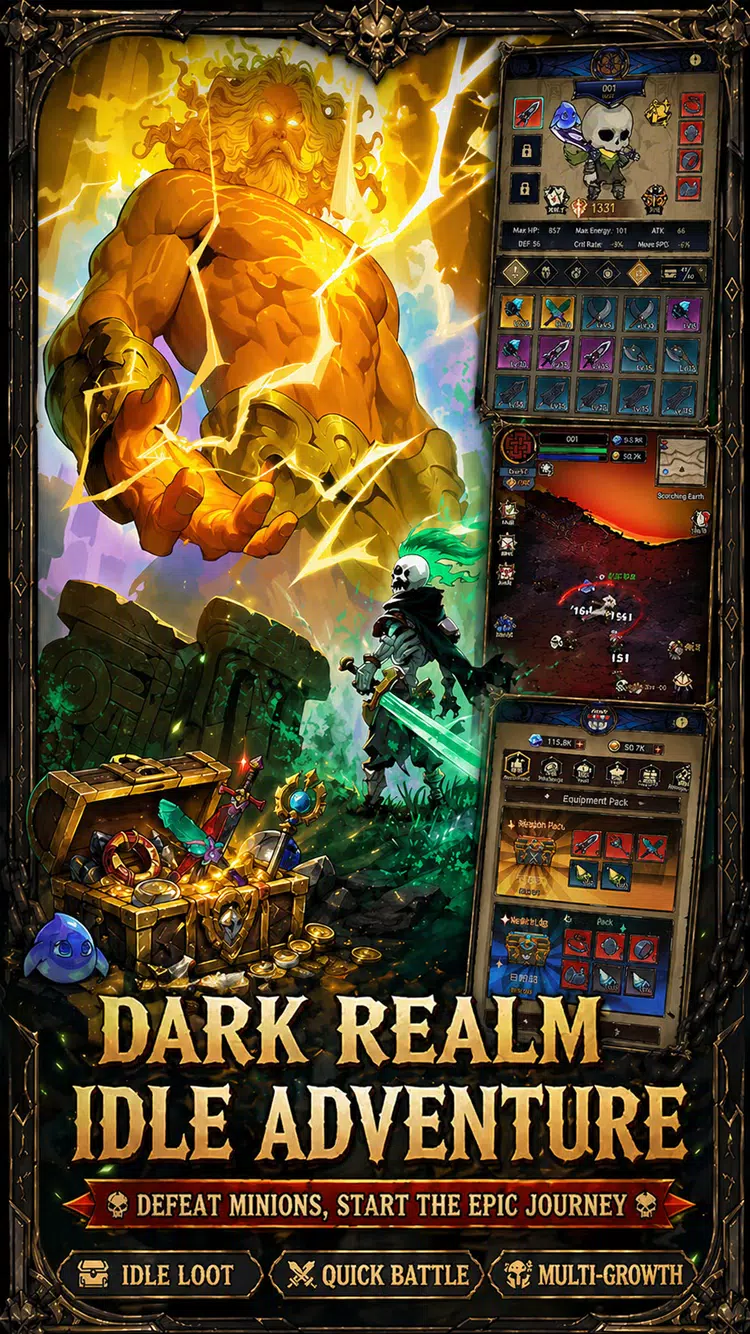
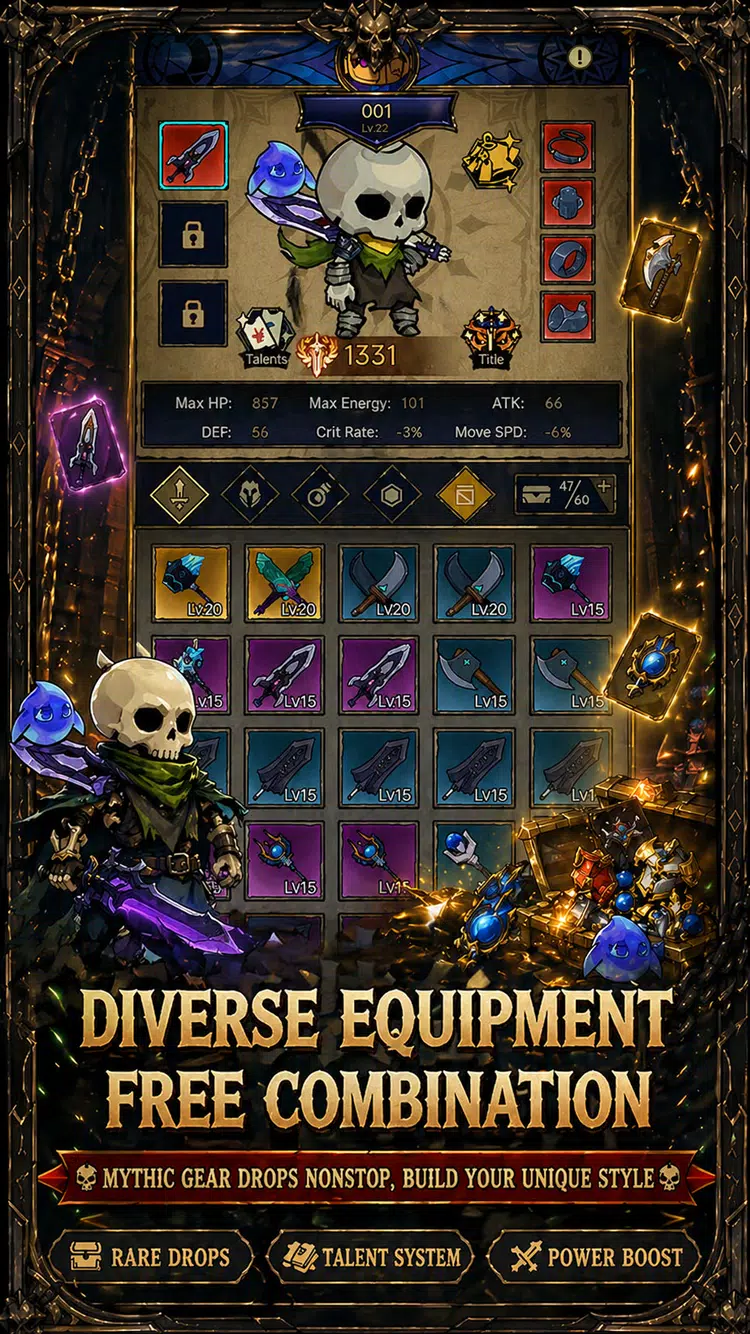
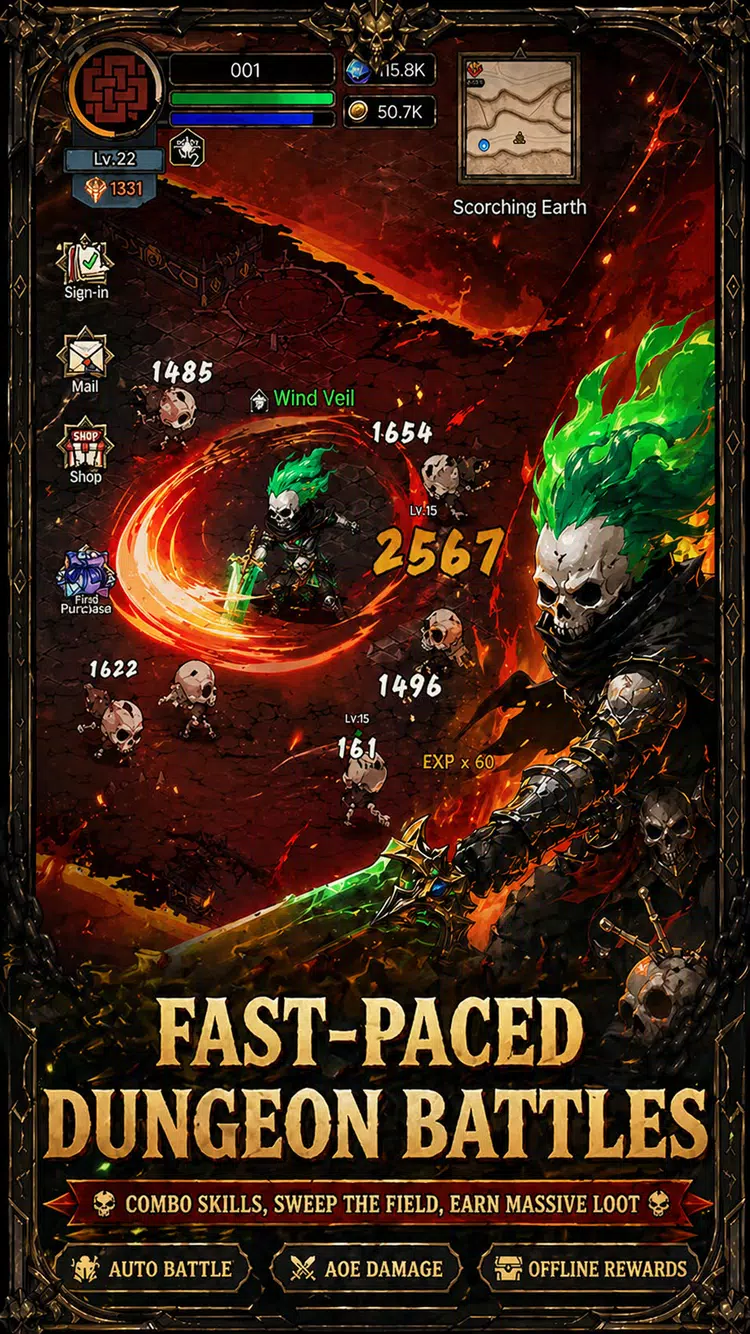
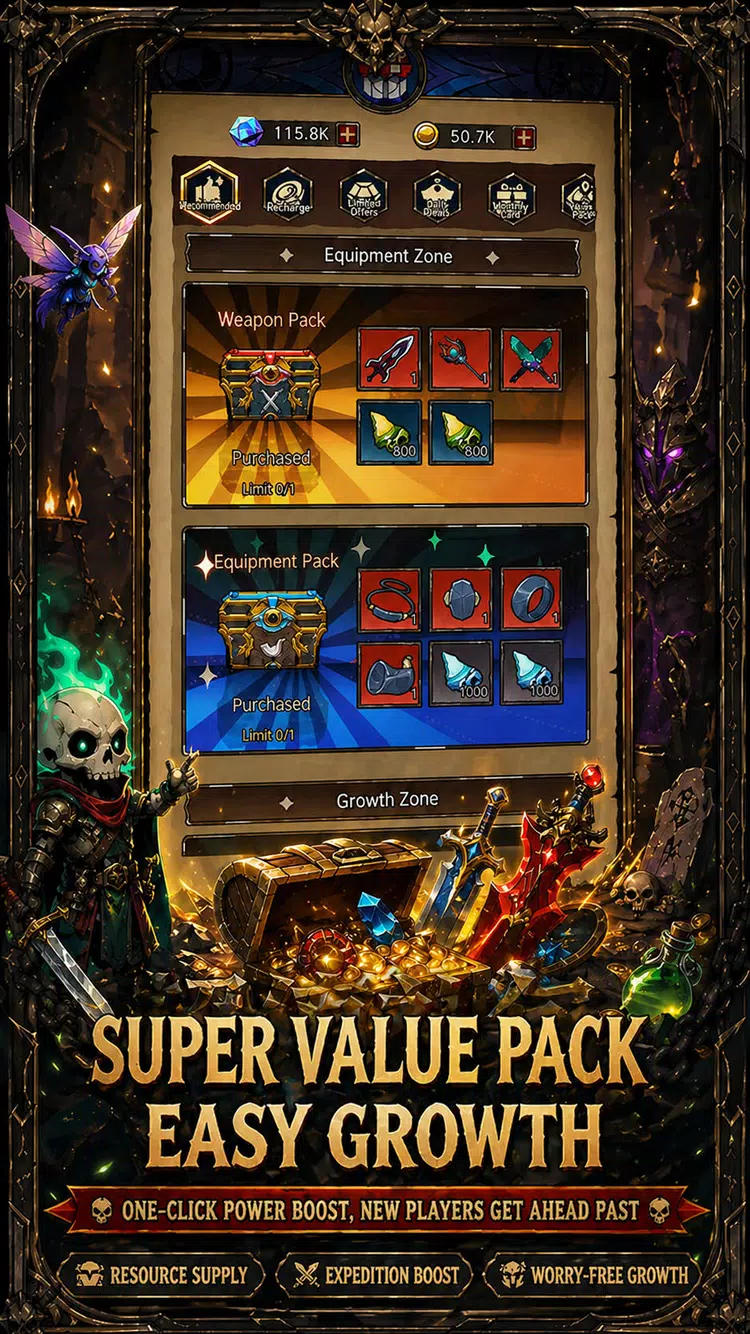
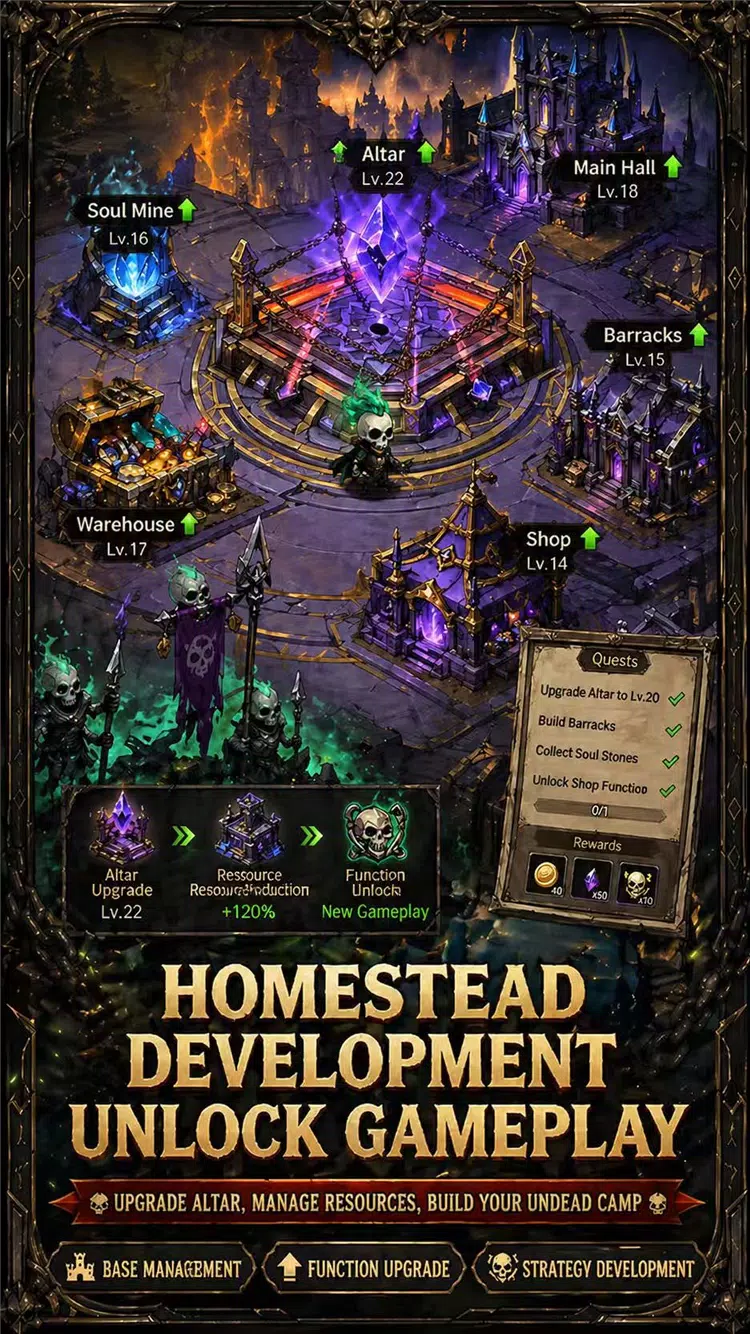
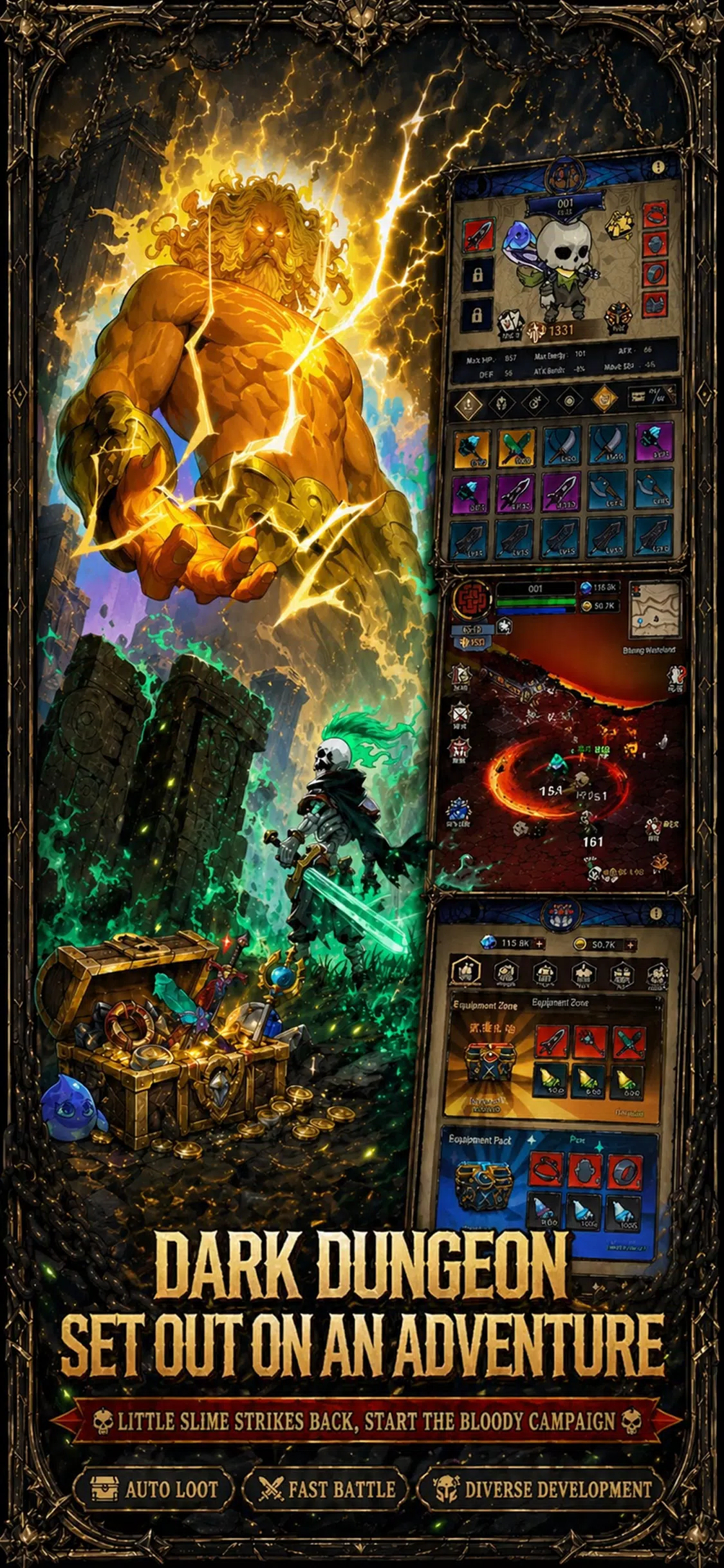
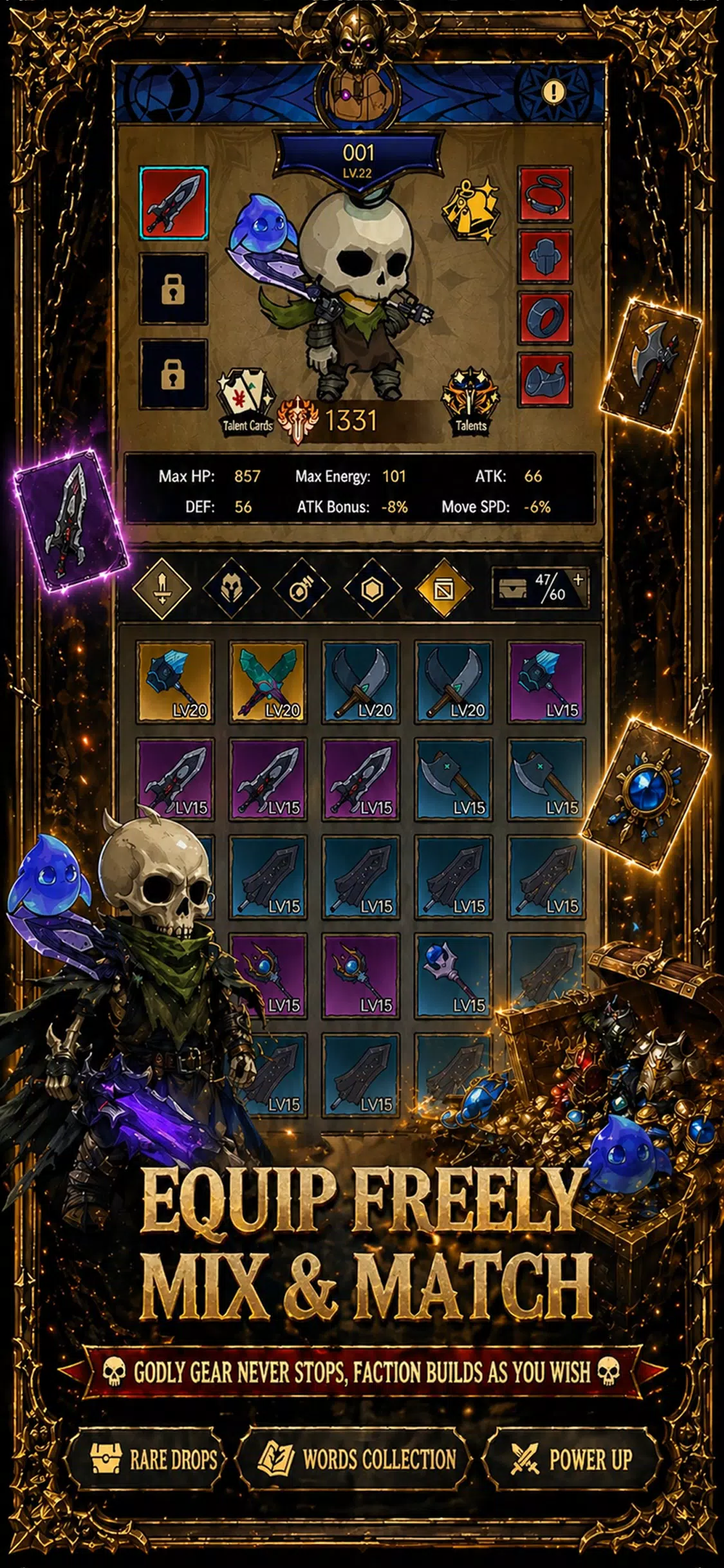
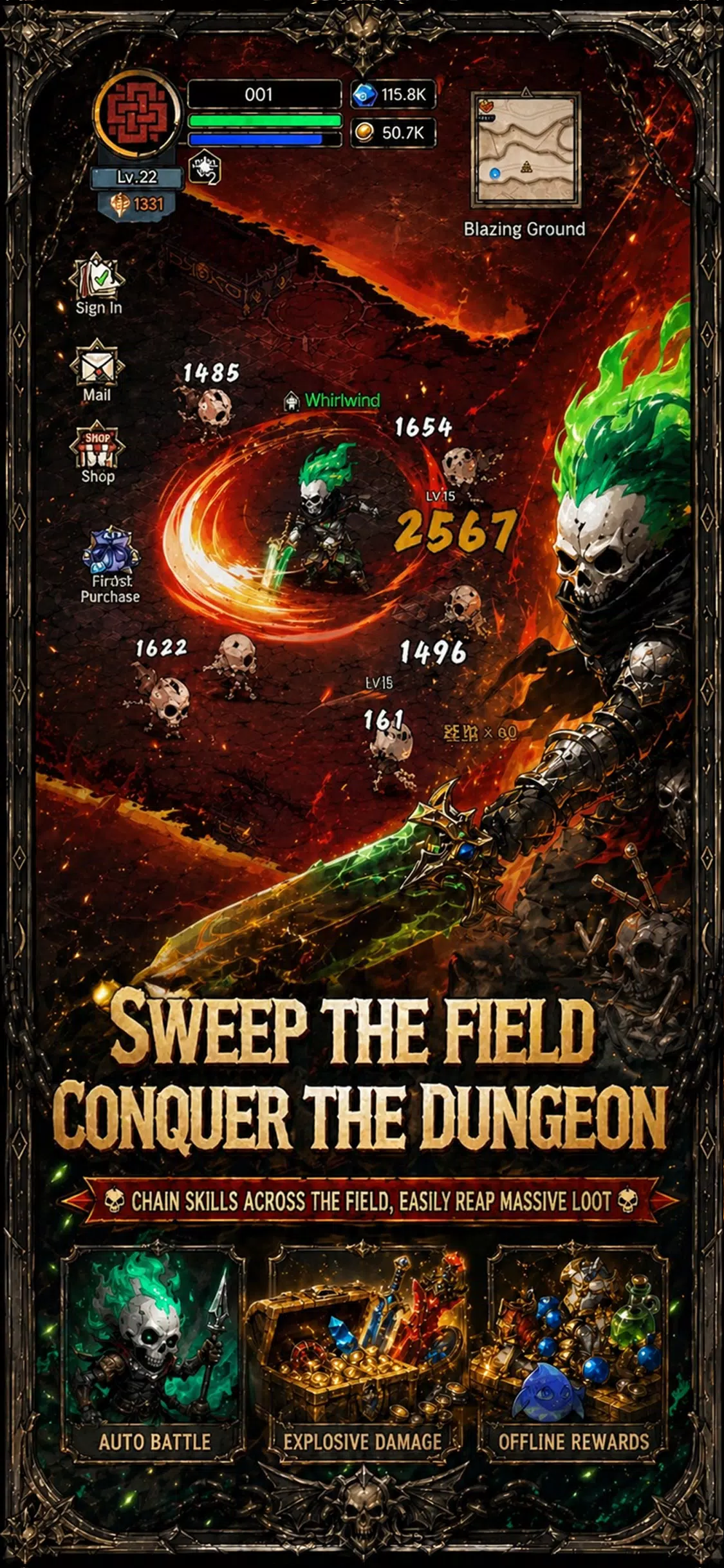
Pantheland is a cooperative puzzle-action game that shifts the focus away from repetitive combat toward teamwork, creative problem solving, and meaningful character progression. In Pantheland you move through handcrafted levels that combine environmental puzzles and coordinated encounters, choosing weapons and modules that change how you interact with enemies and the surroundings. The game removes strict class boundaries in favor of flexible loadouts, letting players experiment with weapon skills, a modular customization system, and independent talent trees to shape distinctive playstyles.
The core experience in Pantheland centers on how equipment and modules alter tactics: each weapon not only changes damage and range but also unlocks unique abilities and interactions with level elements. The modular system allows you to attach effects and modifiers that change attack behavior, elemental effects, or utility functions, while weapon-specific talent trees provide long-term growth and specialization. Levels are designed around cooperation and puzzle-based objectives, encouraging coordinated strategies rather than pure twitch reflexes. Free combination of weapons, modules, and talents produces a steady stream of emergent builds and keeps encounters feeling fresh.
Gameplay in this title mixes action combat with spatial puzzles that require timing, positioning, and teamwork. Controls are designed to be approachable on touchscreens: responsive on-screen buttons for movement and basic attacks are complemented by context-sensitive gestures for special skills and interaction with puzzle elements. A simple targeting and dodge mechanic keeps fights fluid, while weapon skills are mapped to dedicated inputs so players can chain abilities without excessive menu navigation. The interface focuses on clarity, with quick access to loadout and talent screens to support experimentation between encounters.
Progression is driven by exploration and tactical successes rather than grind. Weapon talent trees grow as you use a particular weapon type, unlocking active and passive options that extend playstyles. The module system serves as a mid-level customization layer: modules can modify damage types, add utility, or change attack forms and are combined freely to tailor builds. Because class restrictions are lifted, you can mix and match weapon skills and modules to pursue hybrid roles, making personal progression feel meaningful and player-driven.
Pantheland presents a clean, readable visual style that emphasizes level geometry and interactive elements so puzzle cues are easy to understand at a glance. Levels are structured into compact arenas and linked puzzle rooms that reward observation, coordination, and creative use of weapons. Environmental mechanics—such as movable platforms, pressure switches, elemental conduits, and destructible barriers—play a consistent role in both combat and puzzles, creating encounters that blend thinking and action rather than separating them into distinct phases.
Customization is a central loop that drives replay value: because weapons, modules, and talents combine in many permutations, attempting the same level with a different loadout often changes the viable approach and emergent solutions. Challenge systems scale by offering optional objectives and more complex puzzle variants that reward experimentation and teamwork. For players seeking increased difficulty, encounters can be approached with self-imposed constraints or alternate module sets to discover new strategies and refine coordination with teammates.
The user experience emphasizes clear feedback and gradual learning. Tooltips and brief in-game tutorials introduce modules, weapon mechanics, and puzzle basics without interrupting flow. Accessibility options include adjustable text size, color contrast settings for visual clarity, and configurable control layouts so players can adapt the interface to their preferred input style. These choices help new players acclimate to Pantheland’s depth while allowing experienced players to streamline their experience.
Pantheland supports solo play through carefully tuned puzzles and companion-friendly mechanics that keep single-player runs satisfying, while cooperative encounters reward synchronized action when played with others. The game avoids reliance on external ranking systems; instead it focuses on emergent social gameplay and creative problem solving. Offline-friendly design ensures core progression and customization are available without mandatory connectivity, making the game suitable for varied play contexts.
If you enjoy cooperative problem solving, deep customization, and systems that encourage experimentation, Pantheland offers a thoughtful blend of puzzle design and action mechanics. The learning curve can be steep as you explore the module and talent depth, but the available tools and level variety reward repeated play and creative approaches to both combat and environmental challenges.