Star Avenger: Chaos Arena
Version: 1.0
242.00MB
4
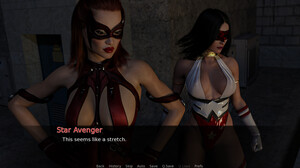



Star Avenger: Chaos Arena drops players into the corrupt City of New Amsterdam and places the titular hero at the center of a morally complicated underground gladiatorial story. Star Avenger: Chaos Arena blends tactical combat, a branching narrative, and a psychological resistance mechanic that alters available choices as matches progress; despite its mature tone, the game focuses on decision-driven gameplay and multiple endings rather than explicit material. This editor overview highlights what to expect from the game, how it plays, and who will likely appreciate its combination of tense encounters and narrative depth.
Star Avenger: Chaos Arena centers on short, high-stakes arena encounters woven into a broader plot about coercion, loyalty, and consequence. Expect compact fights with clear win/lose outcomes that affect the protagonist’s path, a branching story that responds to choices, and a progressive resistance system that simulates psychological pressure rather than relying on graphic content. The title emphasizes replayability through meaningful decision points and distinct endings that reflect how the protagonist copes with or yields to the forces around them.
Combat in Star Avenger: Chaos Arena is encounter-focused and tactical; matches are designed to be tense and decisive rather than long, drawn-out battles. Players must manage stamina, positioning and limited abilities; making the right call at the right moment often determines whether a match ends in victory or forces a narrative setback. The resistance mechanic acts as a dynamic modifier — as players fail or make certain choices, subsequent options change and new pressures emerge. This creates a layered challenge system where both mechanical skill and story awareness are rewarded.
Controls are optimized for touch screens with a concise set of actions mapped to on-screen buttons and context-sensitive gestures. Movement, primary attacks and defensive maneuvers are designed to be responsive, while special actions are activated through simple taps or hold gestures so that players can focus on strategy rather than complex inputs. The interface presents combat information clearly, with health, resistance status and immediate objectives visible during fights to reduce confusion and support quick decision-making.
Progression in the game ties combat performance and narrative decisions to character development and story branches. Players unlock new abilities and encounter variations as they advance, but the game does not rely on grind; instead it encourages replaying different choices to access alternative scenes and endings. Customization is primarily narrative and tactical — tweaking ability loadouts and prioritizing certain upgrades changes how confrontations play out and which narrative paths remain open, encouraging thoughtful experimentation.
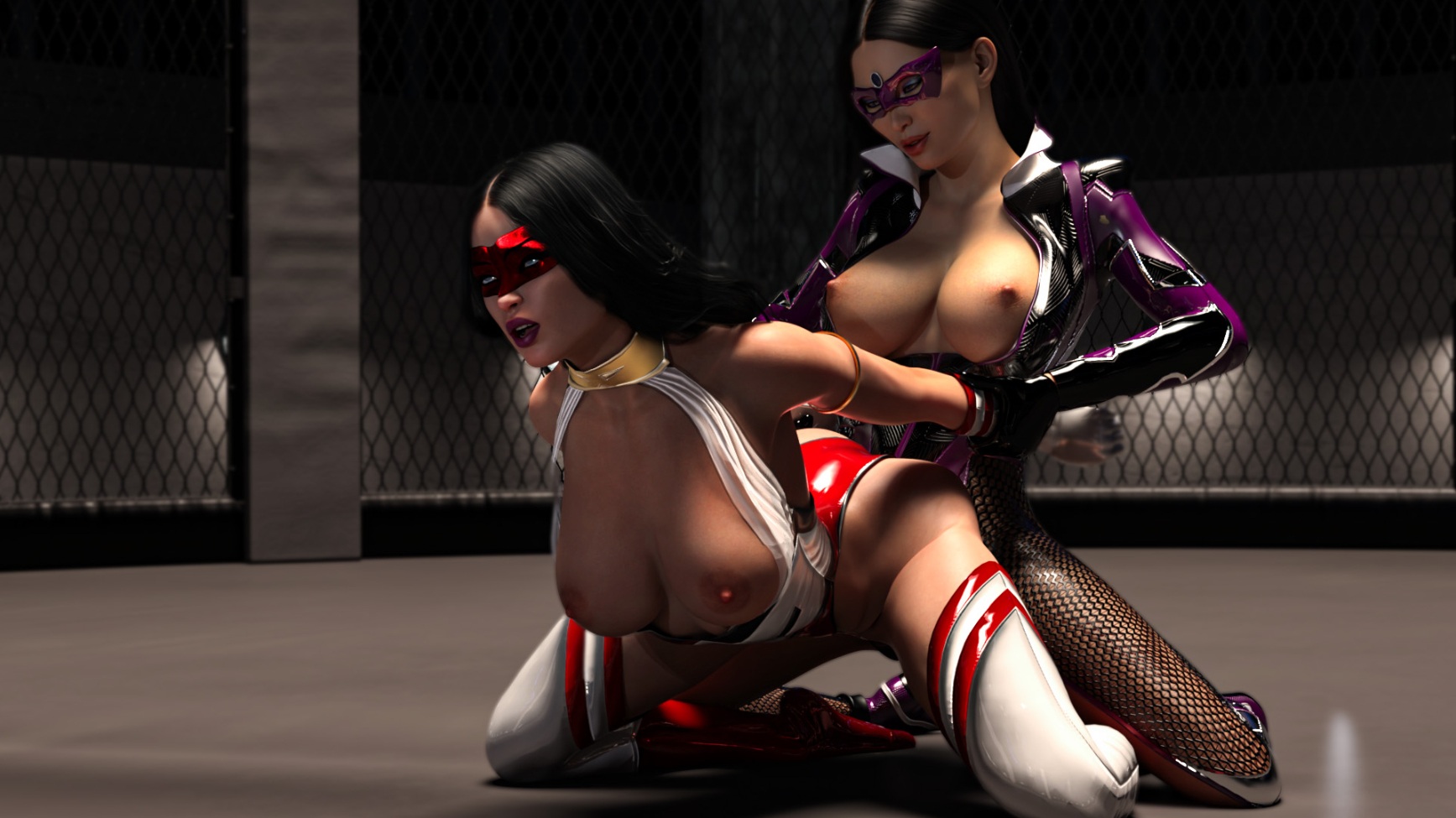
The visual approach favors a gritty, cinematic aesthetic that supports the game’s dark urban setting without leaning on explicit imagery. Arenas are compact but varied, staged across subterranean rings and industrial backdrops that change lighting and hazards to alter tactics. Levels are structured as a sequence of discrete encounters interspersed with narrative scenes, so the pacing alternates between tense combat and decision-driven interludes that move the plot forward and reveal character motivations.
Replayability is a core design goal: branching choices, the resistance system and multiple endings mean subsequent playthroughs can feel substantially different. Players who focus on resisting influence will face different challenges than those who explore more compromising options, and many story beats shift based on past outcomes. This creates an incentive to try alternate strategies, experiment with ability combinations and see how small changes in combat or dialogue produce divergent results.
Star Avenger: Chaos Arena is designed to run offline after installation, allowing players to experience the story and battles without a persistent internet connection. Accessibility options include adjustable difficulty settings, simplified input modes and clear visual indicators to assist players who prefer less demanding controls. Performance is tuned for mobile devices with scalable graphics so that older hardware can still run the game smoothly while newer devices can enjoy enhanced effects.
While the game explores mature themes and contains suggestive scenarios as part of its narrative stakes, it avoids graphic sexual content and explicit descriptions; it is intended for an adult audience that can handle morally complex situations and darker storytelling. Players who enjoy tight, decision-driven action and stories that respond to their choices will find the title rewarding, whereas those seeking lighthearted or purely action-focused experiences may find its tone and resistance mechanics challenging.
In short, Star Avenger: Chaos Arena offers a focused blend of arena combat and branching narrative with mechanics that make choices matter across multiple playthroughs. The game emphasizes tactical encounters, a psychological resistance element that alters options over time, and a gritty visual identity — all packaged for offline play with accessible controls and adjustable difficulty to suit a range of players interested in mature, story-driven challenges.