Farouq Masters Of Archery
Version: 39.0
44.60MB
4.3
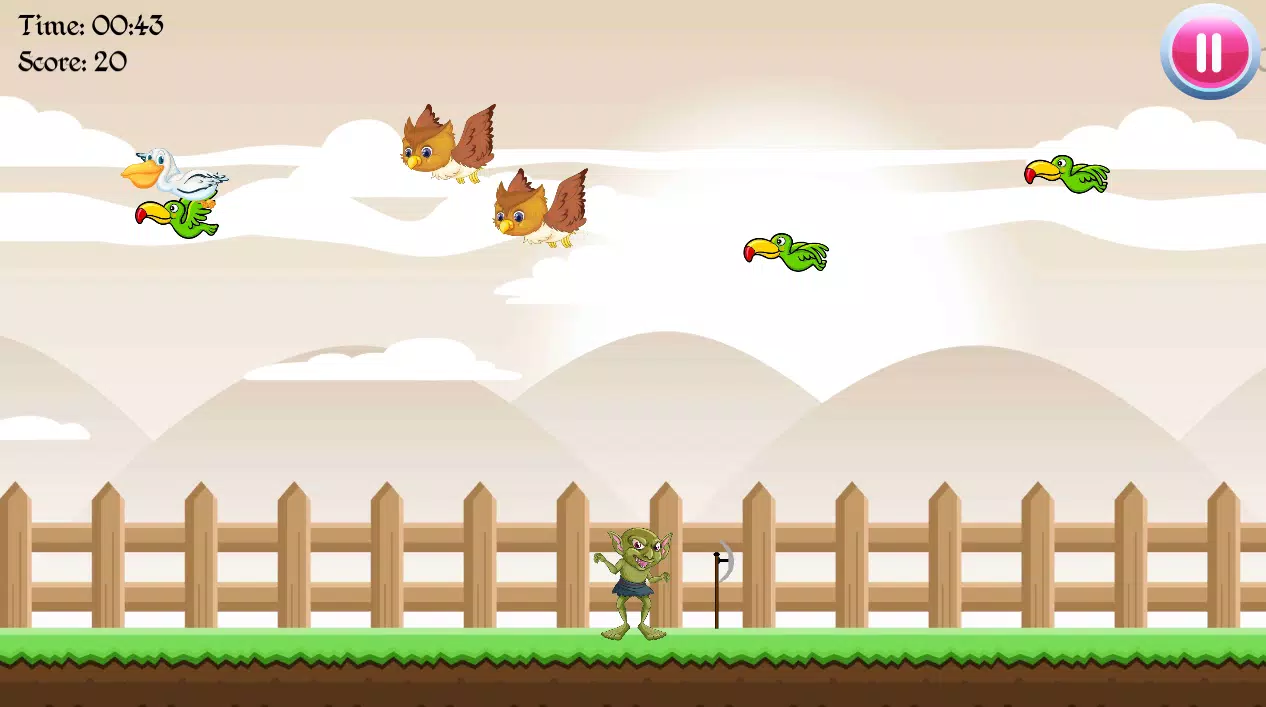
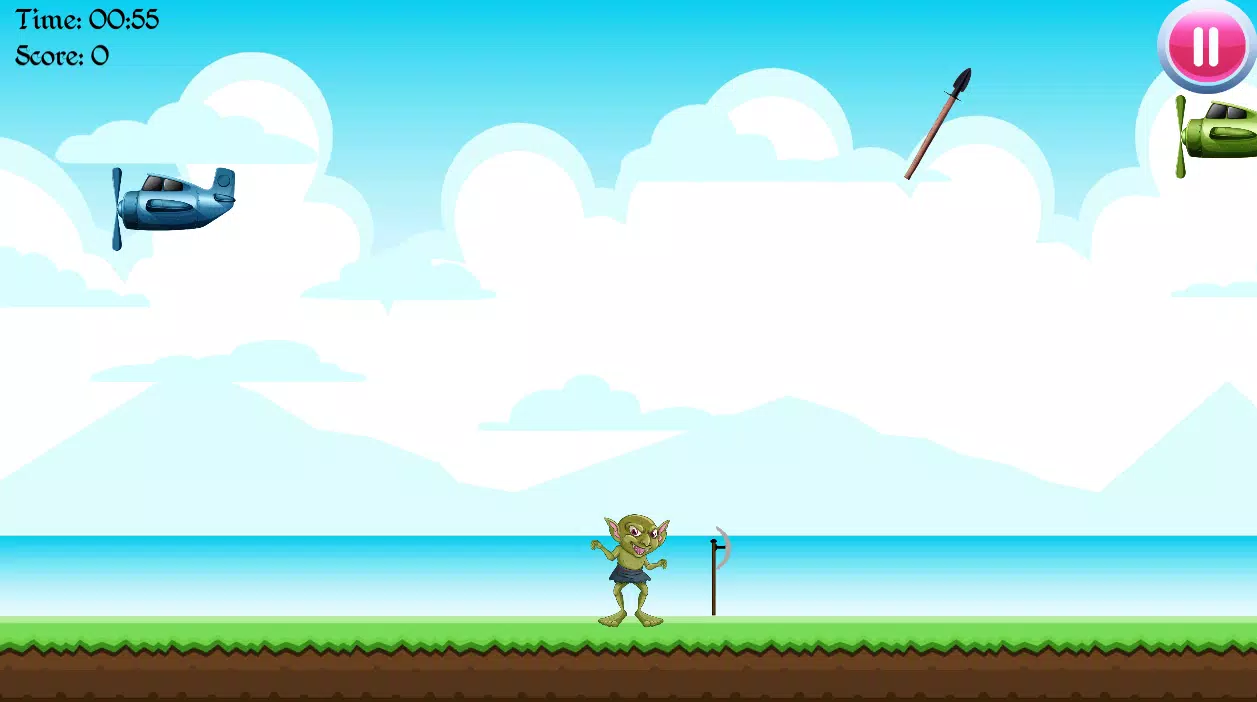

Farouq Masters Of Archery is a compact, arcade-style bow-and-arrow game designed for short, focused sessions that emphasize timing, aim, and steady improvement. In Farouq Masters Of Archery players perform simple drag-and-release shots to line up direction and power, which keeps the controls approachable while offering depth through moving targets and varied trajectories. This editor introduction covers core mechanics, progression, visuals, customization, accessibility, and what to expect from each quick round.
The central mechanic centers on a single, tactile gesture: drag to set the arrow's direction and pull to determine power, then release to fire. Targets move across the screen at different heights and speeds, from slow, steady flutters to rapid, erratic paths that require prediction rather than reflex alone. Because each round is brief—often under a minute—the game favors compact bursts of engagement where players can immediately try again after a miss. The drag-and-release system removes cluttered button layouts and lets players focus on learning trajectories, leading shots, and timing when velocity and angle matter most.
Progression in Farouq Masters Of Archery leans on skill acquisition rather than resource grinding. Rather than unlocking abilities through long playtime, players advance by improving accuracy and mastering timing windows. Levels introduce new movement patterns and faster spawn rates to gradually raise the challenge so improvement feels earned. Challenge variations include clustered target waves that demand quick successive hits, single precision shots that require careful power control, and mixed-speed rounds that test how well players adapt shot technique across a session. The result is a practice-driven loop where success reflects steadier aim and better anticipation.
Customization is intentionally lightweight and cosmetic, giving players ways to personalize the experience without changing core balance. As a player spends more time with the game they can unlock different bow skins, arrow trails, and target themes that refresh the visual feel of levels without altering shot physics. These cosmetic unlocks serve as milestones for continued play, rewarding steady improvement while preserving the emphasis on mechanical skill. Small variations—like different trail effects—help players track progress and express preference, but they do not introduce pay-to-win mechanics or complicate the core control scheme.
Visually, the game prioritizes clarity so trajectory lines, arrows, and targets remain easily readable at a glance. Backgrounds are muted and designed to contrast with target colors so players can quickly assess movement and aim without distraction. Levels are organized as discrete encounters rather than sprawling missions: each encounter changes the mix of target types, speed, and spawn locations to keep sessions fresh. Simple visual feedback—such as satisfying hit sparks, subtle camera shakes, and brief slow-motion on key hits—reinforces tactile satisfaction without cluttering the screen.
Replay value comes from a tight, repeatable feedback loop: short rounds, instant restarts, and gradual difficulty increases encourage players to try again and refine their technique. Accessibility features include adjustable sensitivity for the drag gesture, allowing users to calibrate how much pull translates to power and how responsive directional control feels. This makes the game approachable for different hand sizes and touch preferences while preserving precision for players who want more challenge. The control system is simple enough for newcomers yet rewards practice, offering long-term appeal through measurable skill improvement rather than meta-progression.
Farouq Masters Of Archery is built to work well offline, enabling pick-up-and-play sessions without an internet connection. This makes it practical for commuters or anyone in low-connectivity situations who wants a quick, satisfying round. The user interface is uncluttered: menus focus on starting a match, adjusting sensitivity, choosing cosmetic options, and viewing basic progress indicators. Short loading times between rounds preserve momentum, and clear on-screen prompts help players jump right into action without long tutorials or complex setup.
The experience intentionally stays focused and does not aim to replicate deep, long-form progression systems or competitive multiplayer. Players looking for extended RPG-style advancement or online leaderboards may find the scope limited, while casual players and those who enjoy arcade precision challenges will appreciate the quick sessions and skill-based progression. The game suits a broad range of ages and abilities, though precision controls can require brief practice to master; the design favors incremental improvement through repeated, short plays rather than long tutorials or elaborate menus.