RingCX AI Workforce Management
Version: 26.02
59.00MB
4
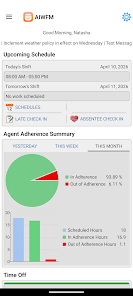

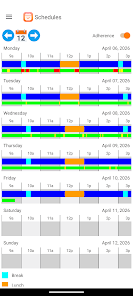
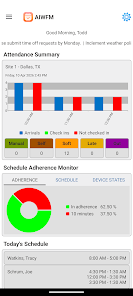
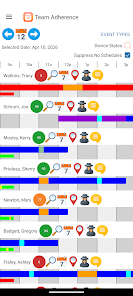
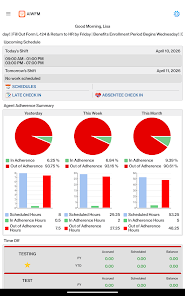
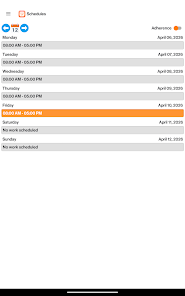
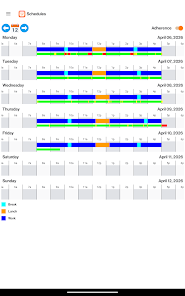
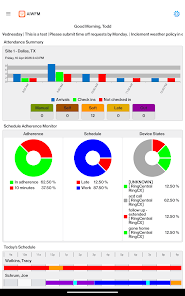
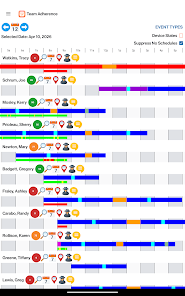
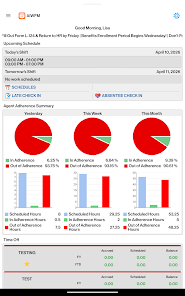
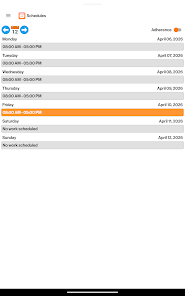
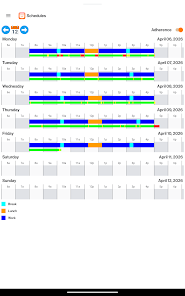
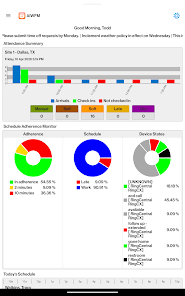
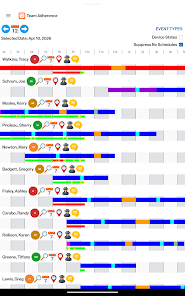
RingCX AI Workforce Management helps contact centers and customer service teams automate scheduling, forecast staffing needs, and monitor performance using machine learning. Its blend of predictive analytics and real-time adjustments aims to reduce idle time, improve service levels, and streamline daily operations for managers and agents alike.
Designed for mid-size to enterprise support operations, RingCX AI Workforce Management combines forecasting, shift planning, and agent reporting into a single dashboard. The product focuses on making labor planning less manual while keeping supervisors informed with actionable insights. It supports multi-channel contact volumes including voice, chat, and email.
Daily operations begin with a forecast for the week. Managers review suggested schedules and apply constraints such as part-time limits, shift preferences, and local labor laws. The platform then publishes shifts to agents, who receive notifications and can request swaps or time off through the mobile-friendly interface. During live traffic, the system highlights staffing gaps and recommends intra-day changes.
RingCX AI Workforce Management integrates with popular telephony and CRM systems to pull contact volumes and agent attributes automatically. SSO and directory sync reduce administrative overhead. Exportable CSVs and API endpoints let teams feed data into payroll, HR, or BI tools to maintain a cohesive operation.
The interface prioritizes clarity: heatmaps, timeline views, and KPI cards show the state of the contact center at a glance. Page load times remain fast even with large datasets, and visualizations are designed to help managers spot trends without sifting through raw logs. Accessibility features and role-based views ensure employees see only what they need.
Security measures include encrypted data transfers, role-based permissions, and configurable data retention policies. For industries under regulatory scrutiny, the platform supports audit logs and compliance reporting. Administrators can limit export privileges and enforce multi-factor authentication for privileged accounts.
Administrators can model complex scheduling rules, create skill matrices, and define multi-site staffing plans. Alert thresholds, notification channels, and shift templates are customizable so the system adapts to established operational processes rather than forcing change.
Many teams pick RingCX AI Workforce Management for its balance of automation and human control. It reduces repetitive scheduling tasks while preserving managerial oversight over exceptions. The ability to tie forecasts directly to performance dashboards helps teams align staffing with service goals and budget constraints.
Implementation typically follows a phased approach: data ingestion, rule configuration, pilot scheduling, then full rollout. Most deployments connect to existing telephony and CRM stacks and complete within a few weeks, depending on the size and complexity of the operation.
For managers aiming to lower costs and improve response times, RingCX AI Workforce Management delivers a practical path from manual spreadsheets to data-driven staffing. It keeps the focus on service outcomes while automating the mechanics of workforce planning.