AZ Plugin 2 (newest)
Version: 2.0
29.30MB
4.5
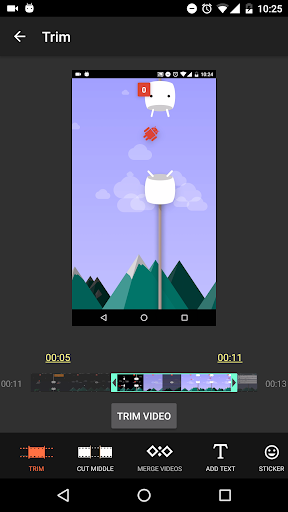
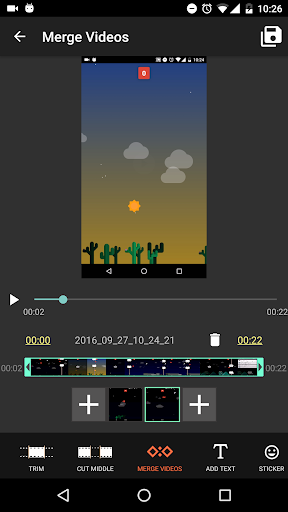
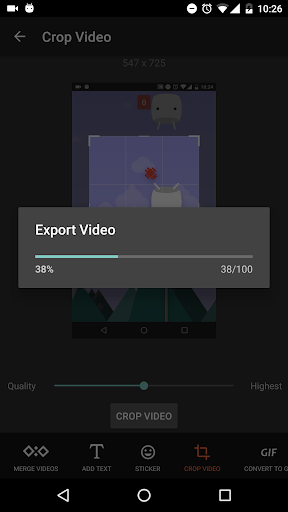
AZ Plugin 2 (newest) is a compact Android extension designed to extend the capabilities of compatible host applications with modular utilities, improved processing, and accessible settings that emphasize productivity and media workflows. This version, AZ Plugin 2 (newest), focuses on integrating smoothly into existing apps so users can add enhancements like smarter caching, advanced export controls, and automation hooks without changing the host app or requiring deep technical setup. Whether you use it for batch media export or for streamlining repetitive tasks, AZ Plugin 2 (newest) is built to be lightweight, configurable, and unobtrusive.
The plugin layers targeted functions on top of host apps, enabling features such as improved background processing, more consistent export results, and event-driven automation. Instead of replacing an app, AZ Plugin 2 (newest) provides optional modules that you can enable selectively to create focused workflows. Typical module categories include media handling, file conversion and naming, background task optimization, and cloud synchronization. These components are organized so users can gradually adopt capabilities as their needs grow, creating a natural progression from basic presets to custom profiles for advanced projects.
The user interface is designed for clarity and low friction: contextual panels appear inside the host app with grouped settings, toggle switches, sliders and preset selectors that reduce the number of taps needed for common tasks. Visual elements are intentionally compact and use consistent iconography so they blend with different host app themes without feeling intrusive. The compact diagnostics view offers a clear snapshot of module status and resource use, while the settings hierarchy reflects a level structure where global options sit above module-specific controls for predictable navigation.
AZ Plugin 2 (newest) includes modular extensions you can turn on or off, performance optimizations that improve threading and memory handling, and customizable export options for file formats, bitrates, and naming schemes. Users can create and save multiple profiles to support different projects or device conditions; these profiles act as a progression system where novices can start with recommended presets and power users can fine-tune thread counts, memory limits and conditional automation. Preset import/export lets you move profiles between devices, and a simple logging panel helps diagnose module behavior during testing.
Control patterns are straightforward: presets and one-touch actions handle frequent operations, while deeper settings are available for repeated fine-tuning. The progression comes from building a personal library of presets and profiles that speed recurring tasks, which increases the plugin's replay value for users who process media, organize files, or run scheduled routines. Reusing and refining profiles encourages iterative improvements in efficiency and makes routine tasks noticeably faster over time.
The architecture balances speed and battery life through adaptive scheduling and isolated module execution to reduce crash risk during intensive operations. Resource scaling adapts to device capabilities, deferring noncritical tasks when the device is under heavy load or idle. These measures help preserve battery and responsiveness while maintaining stable background processing for exports or conversions.
Installation and onboarding are straightforward: after installing the APK and granting the standard permissions it requests, follow the in-app prompts to link supported host apps. The plugin is compatible with a broad range of Android versions, typically Android 8.0 and above, though actual requirements depend on the host app. Many features work fully offline, including local exports, profile management and diagnostics, while optional cloud sync can be enabled for cross-device continuity. Accessibility considerations include clear labels, sizable controls and a simplified mode for users who prefer a reduced-option interface.
Permissions are conservative and explained in context so users understand why each is needed. Data transferred to cloud services is encrypted in transit and local logs minimize sensitive content storage. The privacy dashboard provides a quick summary of recent data access and sync events, while built-in diagnostics highlight common conflicts with host apps or system settings. If you encounter integration issues, standard steps such as clearing module caches, toggling compatibility modes, or reinstalling the plugin typically resolve them; the update system also allows rollback to a previous release if necessary.
Common use cases include accelerating media export tasks with optimized encoders and batch processing, automating routine maintenance inside productivity apps with event triggers, and standardizing file naming and organization during syncs. The focus throughout is on straightforward controls, predictable progression from presets to advanced customization, and reliable performance that complements existing Android workflows. For users who want to extend their apps without a steep learning curve, AZ Plugin 2 (newest) offers a modular, stable and privacy-aware way to enhance daily tasks.