
Espada Laser
Version: 1.0
2.20MB
4.2
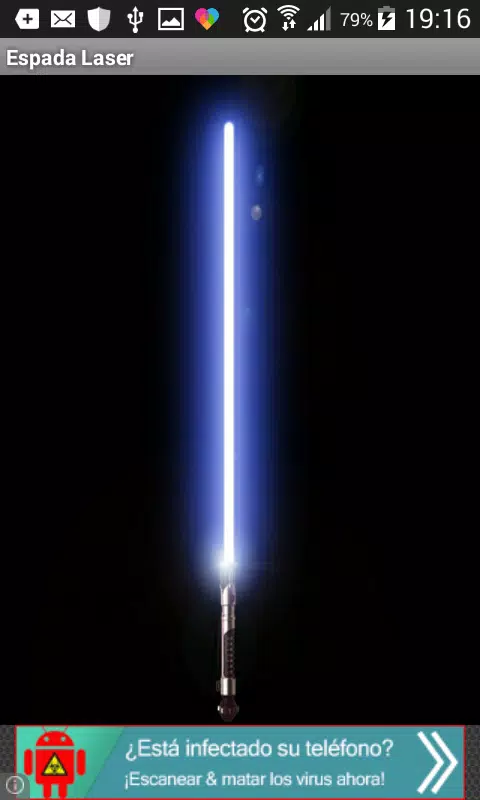
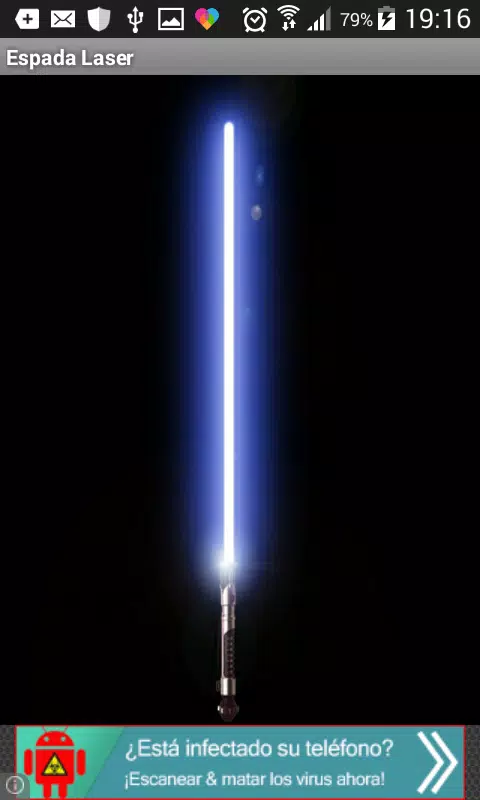
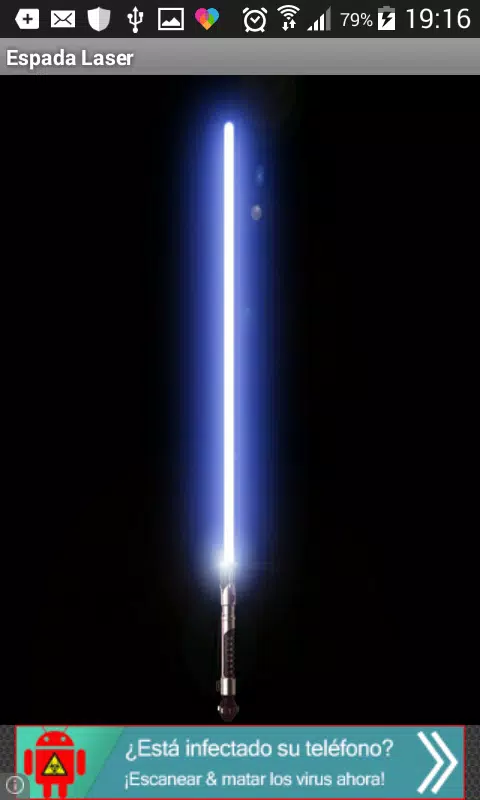
Espada Laser brings sword-style dueling to a portable app format, and Espada Laser presents a balance of cinematic presentation and hands-on mechanics for players who want both quick matches and thoughtful practice. The app turns laser-sword combat into an accessible experience by combining intuitive touch controls, clear visual feedback, and an underlying physics-based system that models light behavior and energy flow so actions feel consistent and educational as well as entertaining.
The core of the experience is a set of customizable laser swords and arenas that let users personalize appearance and handling. Blades vary in reach, weight and special attributes that subtly change timing and energy consumption; arena choices affect sightlines and obstacle placement to encourage different styles of play. Visuals focus on high-contrast particle effects, beam shading and arena lighting that help players read each encounter. Sound design supports the action with directional audio cues and distinct impact sounds to reinforce timing and spatial awareness.
Controls are designed for touch screens with an emphasis on responsiveness and minimal complexity. Basic swings are performed with directional swipes while taps trigger blocks or quick parries; holding a gesture charges a heavier strike. Control sensitivity and on-screen button layout are adjustable so players can tailor input to their device and hand preference. An interactive tutorial walks new users through core mechanics, timing windows and energy management concepts, and practice arenas let players drill combos and defensive moves without pressure.
Espada Laser uses an energy distribution mechanic to make choices meaningful in combat: powerful attacks consume more energy and may temporarily reduce defensive options, while light, rapid strikes preserve energy for sustained exchanges. The single-player progression is built around adaptive scenarios that respond to player performance; as users grow more proficient, opponents and situations gradually introduce modifiers such as reduced light, moving platforms, or limited energy, encouraging mastery of timing and positioning. Unlockable gear and arena styles are earned through play, and many unlocks change both look and feel rather than simply adding power, preserving balance and replay value.
Levels are arranged as a collection of scenario types rather than a strict linear campaign: practice arenas for skill-building, challenge scenarios that test a single mechanic, and exploration stages that combine hazards with enemy behavior. Each scenario includes several variants so a familiar arena can feel new when modifiers are applied, and a progression curve invites repeated attempts to refine approach and earn cosmetic or functional upgrades. This structure encourages short play sessions as well as longer practice-focused runs, supporting different schedules and goals.
Customization goes beyond cosmetics: players can tweak blade length, color, handle weight and a small set of performance attributes to align with their preferred playstyle. Avatar and arena personalization allow users to create a recognizable presence in multiplayer matches or to curate a personal training environment for solo sessions. The interface emphasizes clarity, with readable HUD elements that show energy level, cooldowns and contextual prompts to reduce cognitive load during tense exchanges.
The visual style favors clear silhouettes and readable effects so combat decisions are based on skill rather than obscured visuals. Particle effects, bloom and dynamic shadows are used sparingly to preserve frame-rate on a range of devices. Audio options include toggles for music, SFX and vibration feedback, plus subtitles and adjustable text sizes for menus and prompts. Accessibility features include colorblind-friendly palettes, remappable controls and multiple input sensitivity presets to accommodate different motor and visual needs.
Solo modes are fully playable offline, allowing users to practice techniques, complete scenario challenges and progress through unlockable content without a network connection. Online multiplayer requires an active internet connection and enables duels with other players; matchmaking aims to pair opponents of similar experience to keep encounters fair, and friend invites make casual matches straightforward. Network play is presented as an optional extension of the solo experience rather than a requirement.
Espada Laser appeals to players who enjoy precision-based combat and gradual skill development rather than purely reaction-driven arcade experiences. Its combination of customizable equipment, adaptive single-player scenarios and accessible controls makes it suitable for newcomers who want a clear learning path as well as experienced players who value nuanced energy and timing mechanics. The app is optimized to provide short, satisfying sessions and longer practice runs, making it a flexible choice for a wide range of mobile users.