
Asma-Ul-Husna
Version: 2.5
17.10MB
4
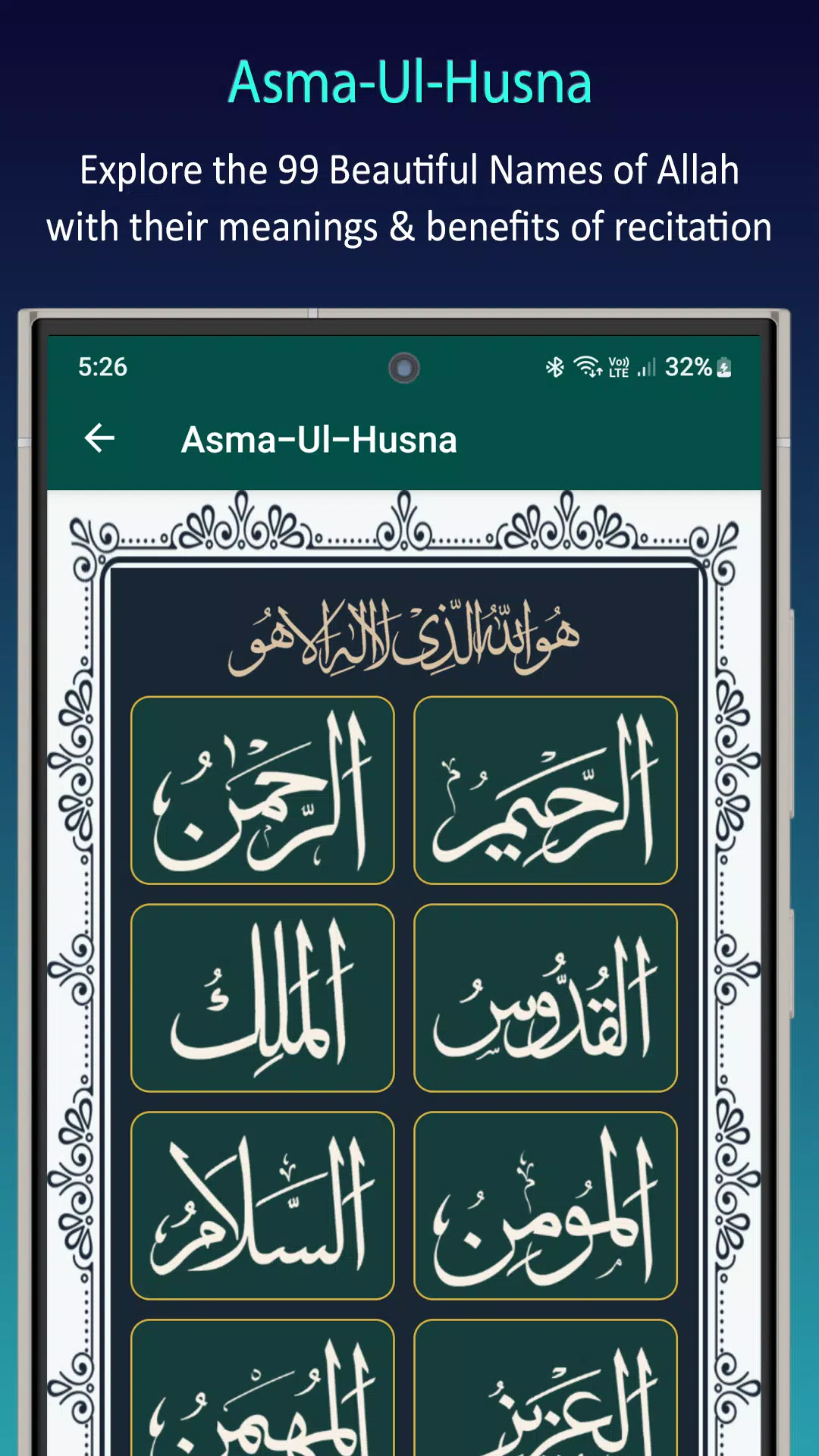
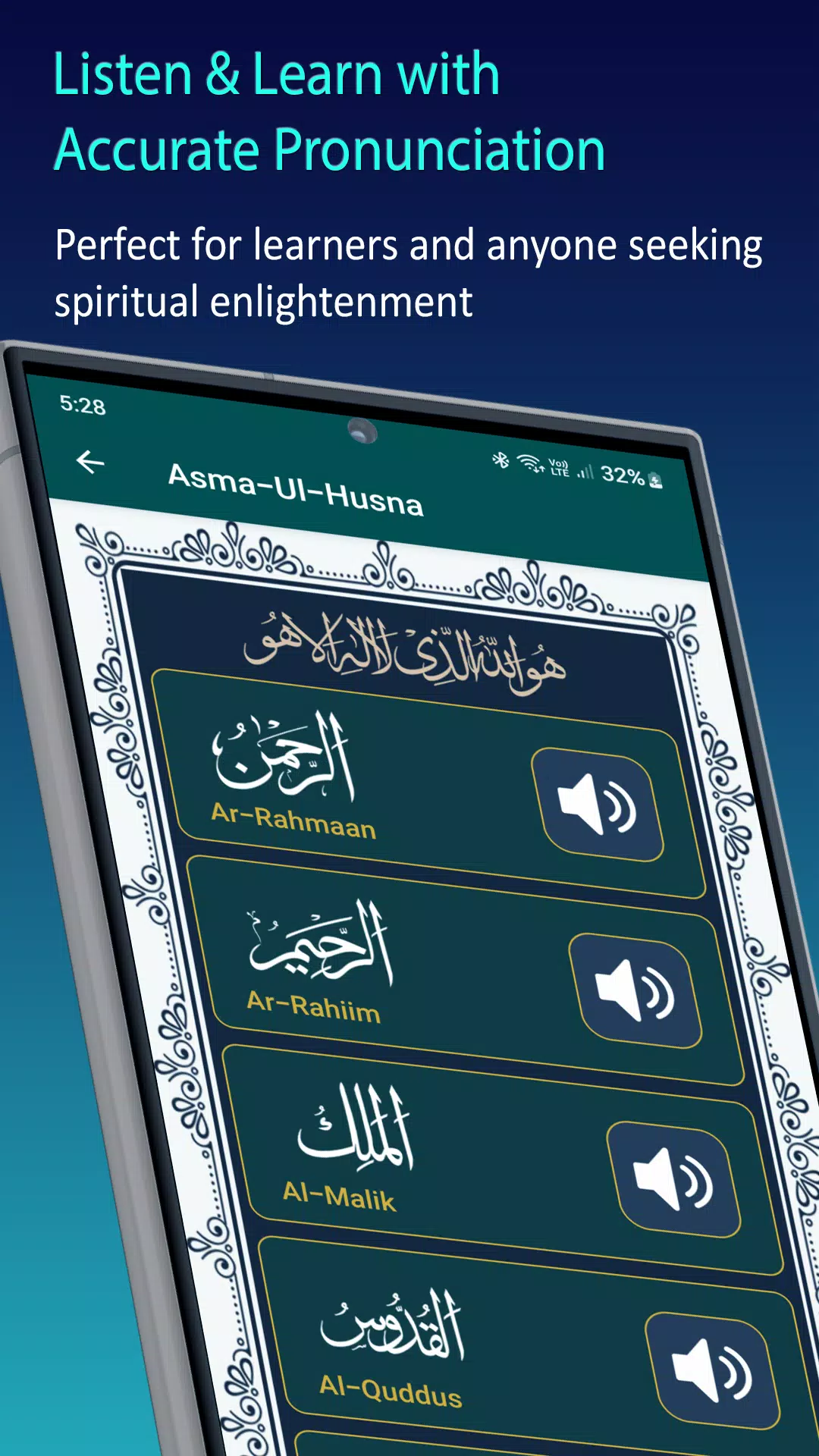
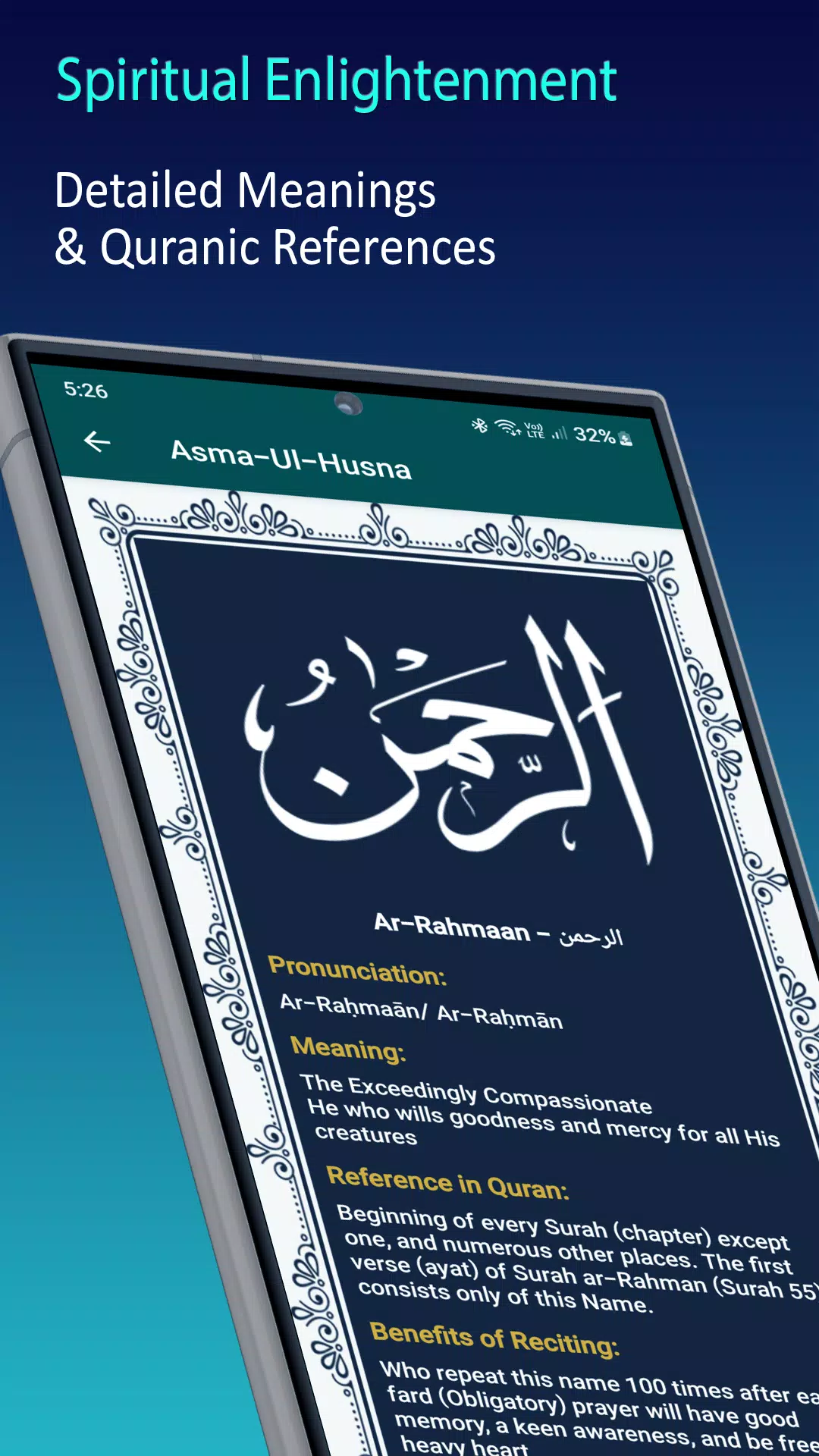
Asma-Ul-Husna is a focused learning app that introduces the 99 Beautiful Names of Allah with clear Arabic script, accessible translations and guided recitation tools to support daily reflection. Asma-Ul-Husna combines concise meanings, Quranic references where applicable and high-quality audio to help learners hear correct pronunciation, follow along visually and build a steady memorisation habit. The interface is intentionally simple so beginners and regular practitioners can move from listening to active repetition without distraction, and the app places emphasis on short, repeatable practice sessions that fit into everyday routines.
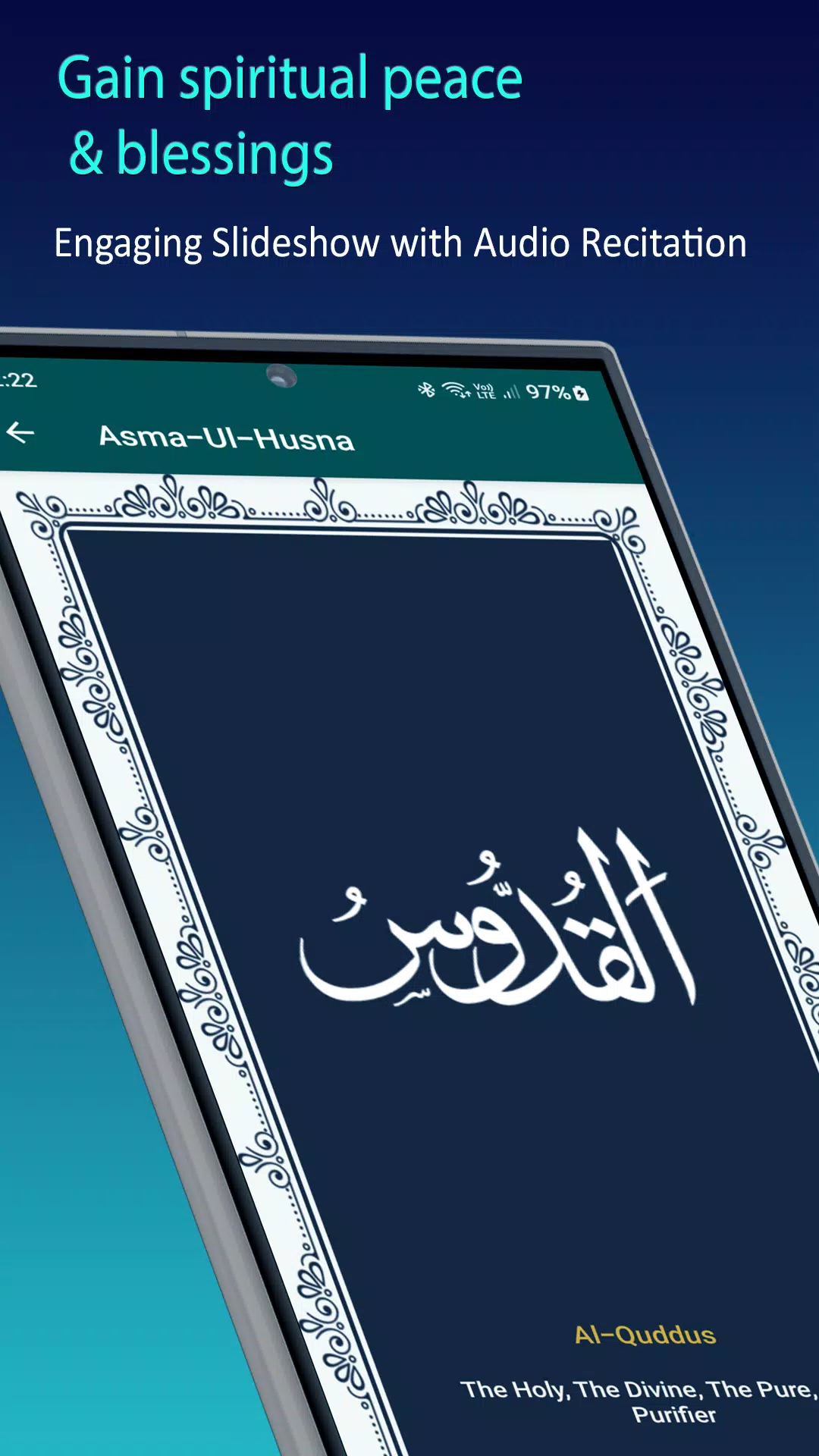
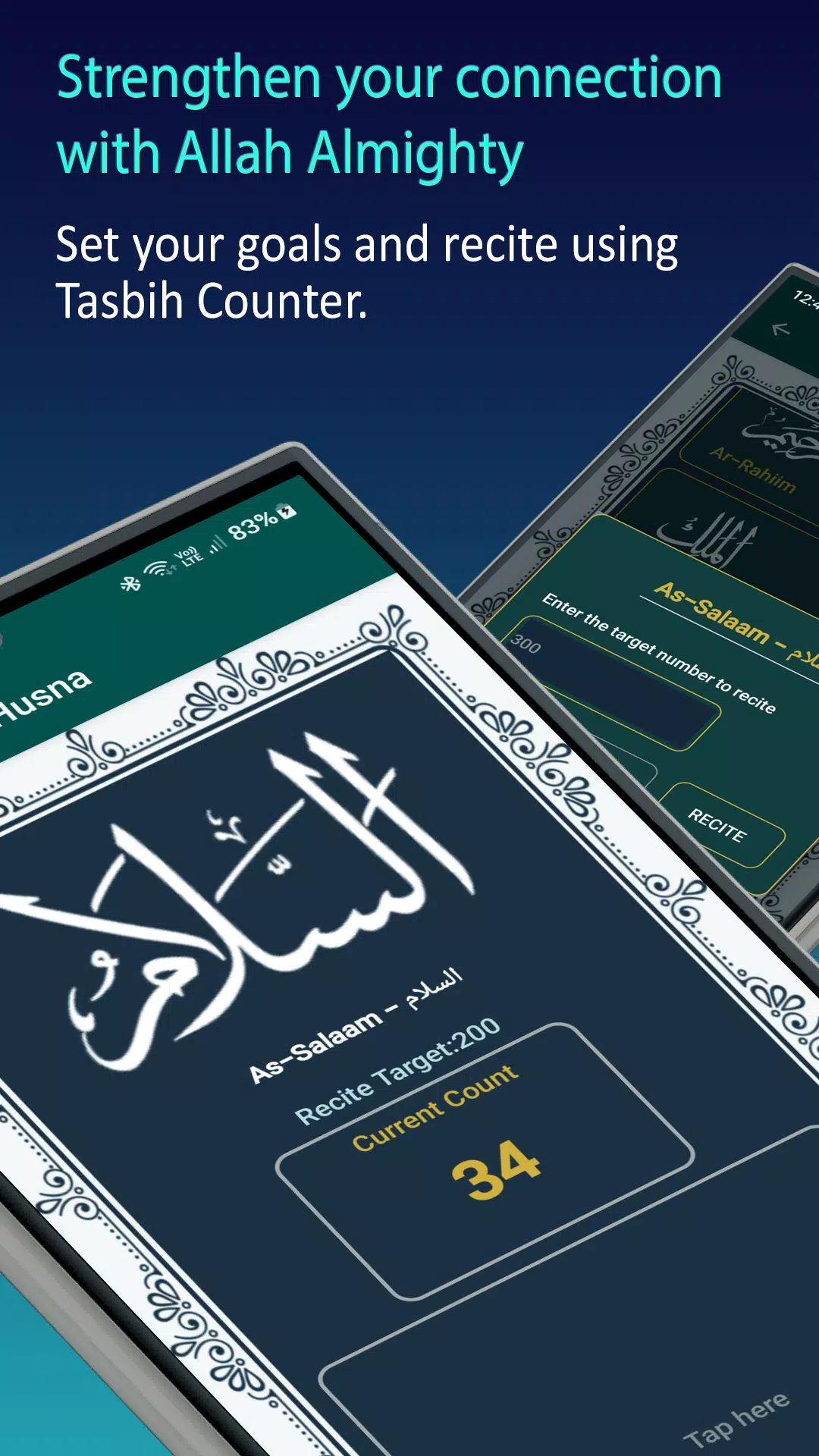
The app offers audio pronunciations recorded to highlight tajweed basics and natural rhythm, repeatable recitations with intuitive playback controls and a slideshow mode that displays each name with translation and explanation alongside gentle background music. Detailed meanings and Quranic citations accompany each of the 99 names so users can connect text with context. A Tasbih counter is included for traditional repetition, and built-in progress tracking records completed recitations and daily counts. Sharing tools make it easy to send a name and its reflection to friends or family as a short reminder.
Asma-Ul-Husna is organised to support incremental learning: start by listening to a single name, repeat it aloud with the audio control until comfortable, then add neighbouring names to form short practice blocks. The app encourages repeated exposure through looped playback and slide timing controls so learners can choose a slow pace for careful study or a quicker rate for review sessions. Progress tracking lets users see which names have been practised most and which need more attention, helping to structure regular study without requiring complex set-up.
Playback is tap-based and immediate: tap any name to hear it, pause, or replay as needed. Slideshow navigation supports simple swipes and manual stepping so users control the rhythm of study. Common customisations include toggling background music on or off, adjusting recitation pace for clearer articulation, and setting slide display timing to match individual memorisation styles. Text size and contrast options improve legibility for different screen sizes and lighting conditions, making short study sessions comfortable on the go.
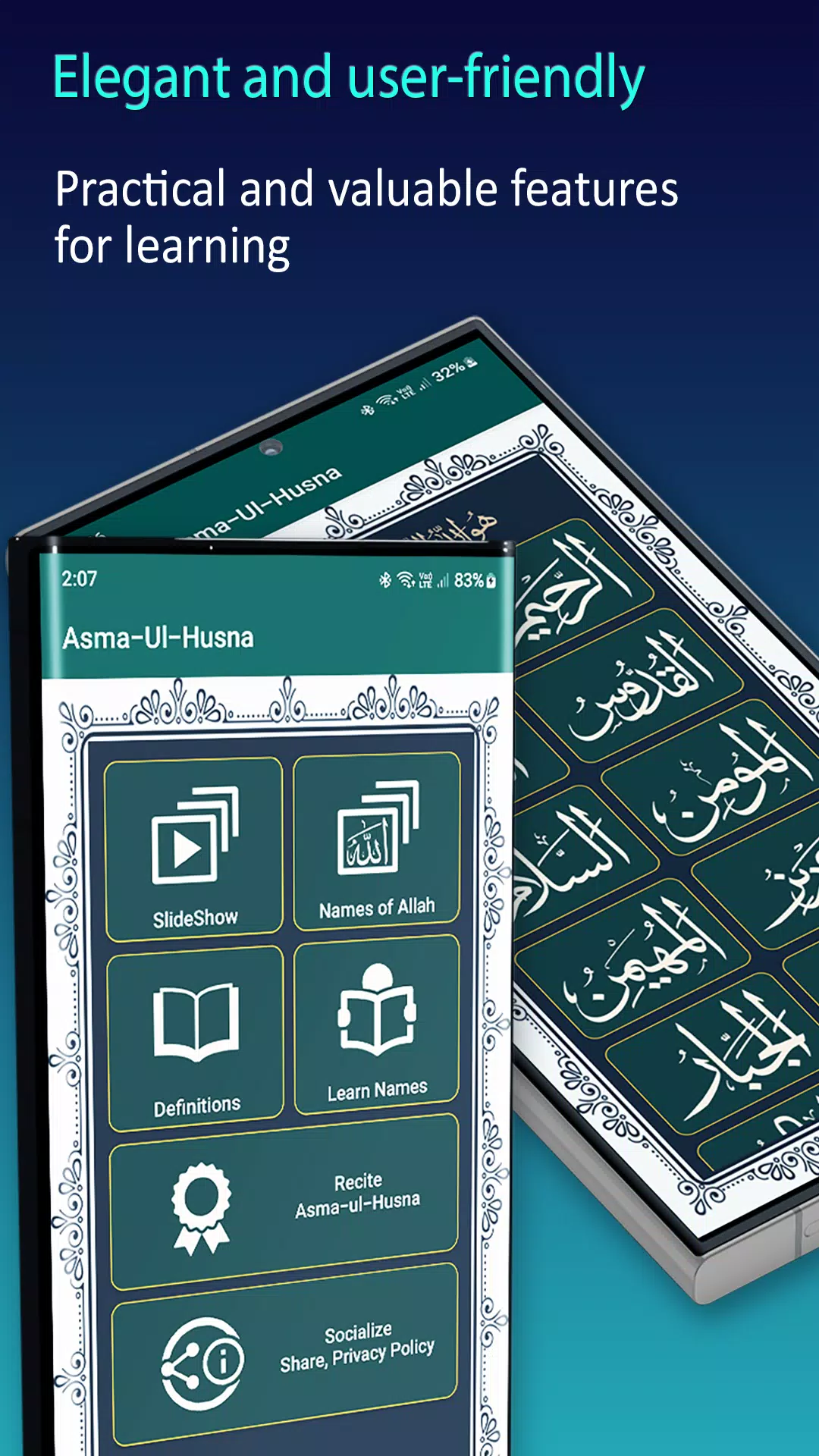
The visual design uses a clean layout with large Arabic script, transliteration and translations presented side-by-side to aid both visual and auditory learners. Audio and visual elements are synchronised to reduce cognitive load during memorisation, and the interface minimizes clutter so focus stays on the names and meanings. Accessibility considerations include readable fonts, adjustable text scale and clear audio controls; the app performs smoothly on a wide range of devices and is designed to work well even on intermittent connections by keeping recently viewed names readily available for quick review.
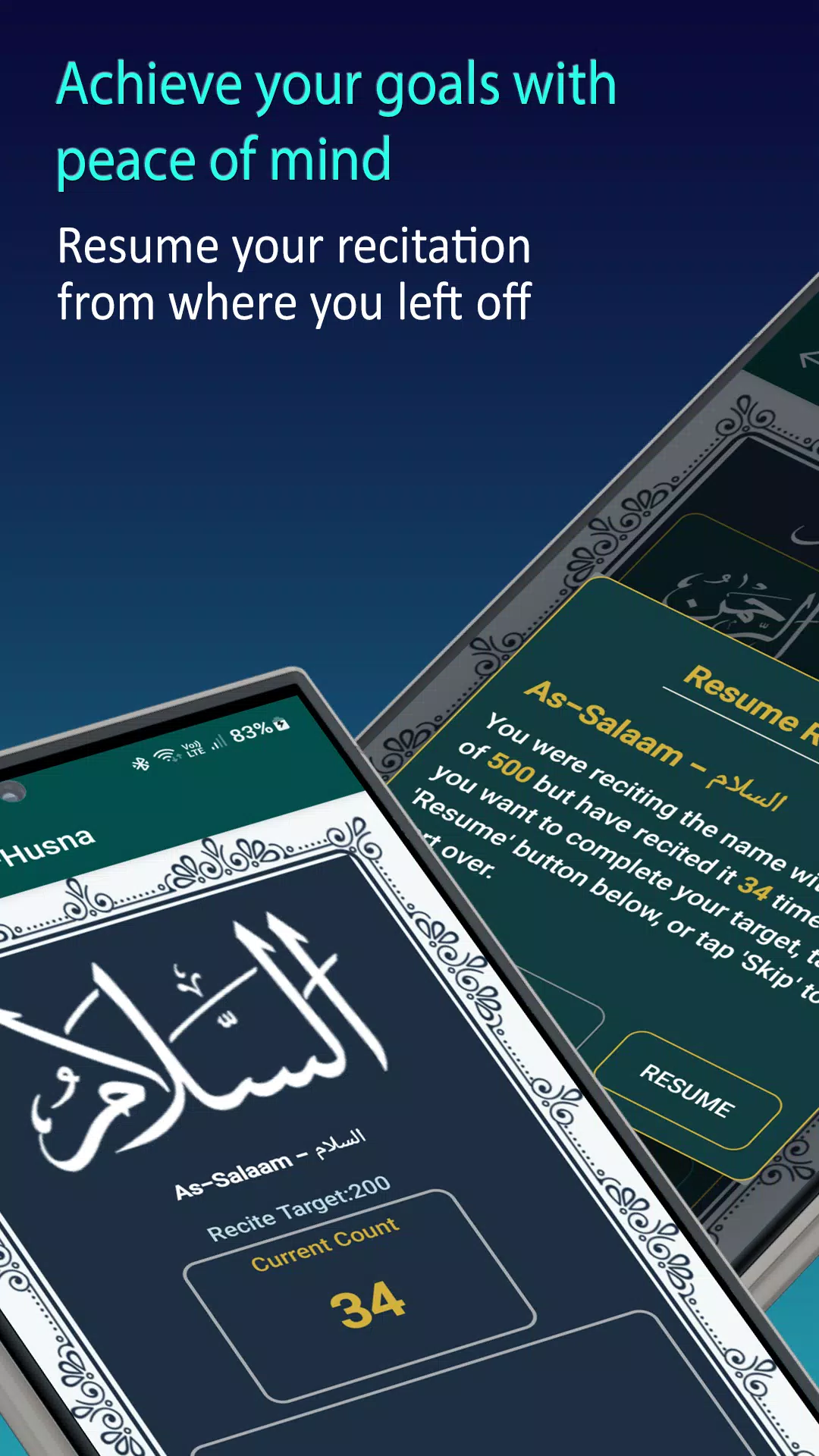
Replay value comes from compact practice loops, the slideshow reflection mode and the Tasbih counter that supports goal-oriented repetition. Users can mark names they want to revisit and build short review routines that fit into daily life. The combination of audio repetition, visual reinforcement and simple tracking helps maintain momentum: frequent short sessions tend to produce stronger retention than occasional long sessions, and the app encourages consistency through clear progress indicators rather than intrusive prompts.
Asma-Ul-Husna keeps user data local to the device for basic progress tracking and Tasbih counts, and it is mindful of performance so audio and slide playback start quickly even with modest hardware. While online features are not required, the app is optimised to reduce bandwidth when streaming audio; previously accessed recitations and slides remain accessible for immediate review without repeated downloads, which helps when practising in low-connectivity situations.
While the app is a practical companion for memorisation and daily reflection, it is not a substitute for in-depth scholarly commentary or one-on-one tajweed instruction. Users seeking advanced theological analysis, exhaustive linguistic study or certified tajweed lessons may find the scope basic; Asma-Ul-Husna is intended as a personal study aid to support devotional practice and habit formation rather than formal academic training.